

Commentary: Big Tent Ideas
Data Centers Made Noise, But Skyrocketing Gasoline And Diesel Prices Decided The Midterms
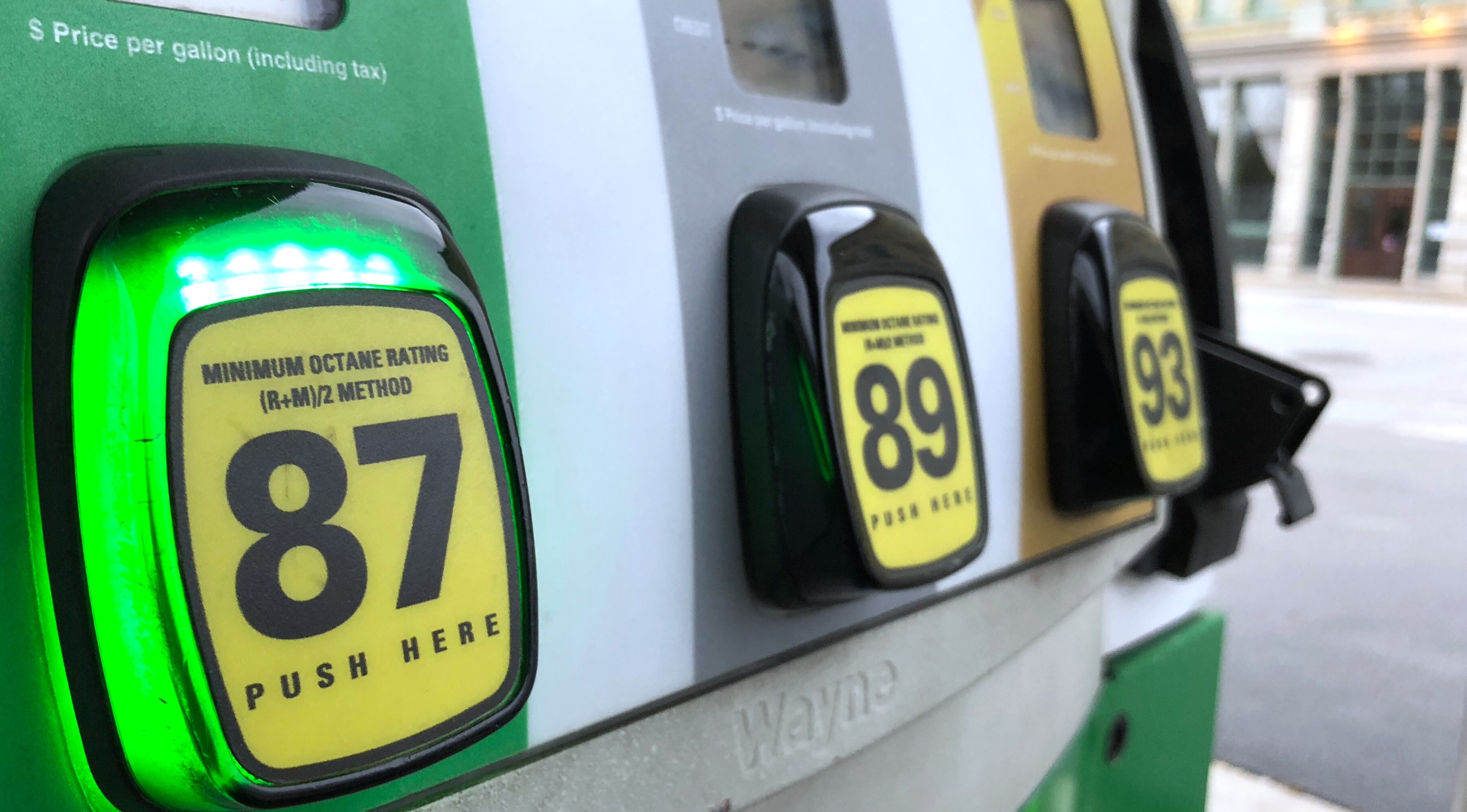
Gas Station Pump. Photo: Robert Geiger
Two weeks before Election Day, I wrote here that the 2026 midterm elections would turn out to be the “gasoline prices are too damn high” election, not the data center election. Despite punditry still pointing to data centers today as the big issue, the polls show that far more voters all over the country had the economy on their minds, with prices for gas and diesel atop their list of economic issues when they went to the polls.
It’s always the economy, stupid, as James Carville became famous for saying.
The problem for Republicans — and for President Donald Trump — was the crystal clear cause-and-effect relationship between the Iran Conflict and the prices at the pump. There was simply no denying that the extra $15 to $20 bucks drivers were paying every time they filled up was a direct consequence of the war Mr. Trump kicked off on Feb. 28.
The President’s rhetoric on the subject — constantly stating that higher gas prices were no big deal when compared to preventing the Iranian regime from getting a nuclear bomb — was not helpful, whether one agreed with it or not. It showed the leader of the Republican Party to be completely out of touch with the struggles of working families on the matter.
For Americans living paycheck to paycheck, as most Americans still do, the price of gasoline is more than an economic issue: It’s also an emotional one because they have no choice but to pay the price, no matter how high it goes.
President Trump and his party lost sight of that reality in this election, just as President Barack Obama and the Democrat Party lost sight of the average American’s emotional feelings related to rising medical costs and suffered a similar wipeout in the 2010 midterms.
To be fair, the data center issue did show up big in some key races. In Ohio, Sherrod Brown beat incumbent Sen. John Husted after branding him “the face of data centers,” according to Fortune, which also noted that Husted had been “basically at every single ribbon cutting for data centers across the state.”
In Michigan, Abdul El-Sayed held a rally in front of the OpenAI-Oracle campus site in Saline Township and ran on a “no rate hikes” promise. In Iowa, Democrat Rob Sand won the governor’s race promising to make data centers “pay their own way,” as reported by NewsNation.
But then, Texas Governor Greg Abbott, Senate candidate Ken Paxton, and other Texas Republicans running for statewide offices made exactly the same pledge related to data centers. Every one of those Republicans were defeated by big margins. Why? Because the prices for gasoline and diesel overshadowed everything. The AP put it bluntly in its post-election analysis: “Voters could see it clearly in their receipts from grocery stores and gasoline stations.”
It’s always the economy, stupid, and gas and diesel prices are the biggest issue facing voters in an economy that is strong overall.
Let’s look at the receipts. On Election Day, AAA reported the national average for regular gasoline was $4.15 per gallon, with Diesel sitting at a whopping $6.29 — the highest prices ever recorded on a national general election day. That’s about a 35% increase year-over-year on gas and a 70% rise in diesel from a year before. That’s an emotional thing for most voters.
As stated above, the cause of those price shocks was no mystery. Crude oil prices quickly spiked after the start of the Iran Conflict, taking gasoline prices along for the leap. Ukraine’s highly effective drone attacks on Russian refineries played a major role in causing the even bigger blowout in diesel prices over the same time period.
Taken together, American consumers find themselves paying higher prices not just to fill up their tanks, but for all consumers goods that are transported on ships, trucks and trains that run on diesel.
This isn’t complicated. Data centers made headlines and dominated specific campaigns in specific parts of the country. But the high costs for gasoline and diesel were the deciders nationwide. It’s always the economy, stupid, the price for gas was too damn high, and the cause-and-effect too crystal clear to hide.
David Blackmon is an energy writer and consultant based in Texas. He spent 40 years in the oil and gas business, where he specialized in public policy and communications.
The views and opinions expressed in this commentary are those of the author and do not reflect the official position of the Daily Caller News Foundation.
All content created by the Daily Caller News Foundation, an independent and nonpartisan newswire service, is available without charge to any legitimate news publisher that can provide a large audience. All republished articles must include our logo, our reporter’s byline and their DCNF affiliation. For any questions about our guidelines or partnering with us, please contact [email protected].