

Foreign Affairs
Fed Dodges Questions About Iran War’s Financial Toll
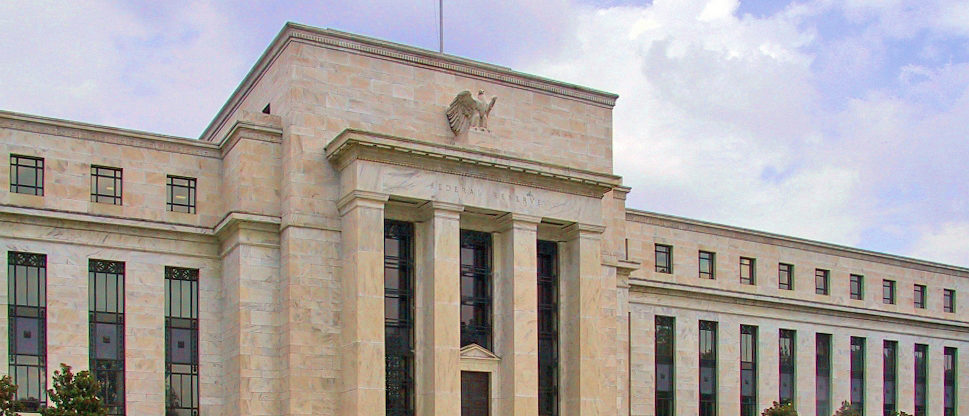
Dan Smith/Wikimedia Commons
The Federal Reserve declined Wednesday to elaborate on whether policymakers are adequately accounting for the financial burden of the Iran war on American households after Chairman Kevin Warsh acknowledged rising oil prices during a press conference.
Warsh’s remarks followed the Federal Open Market Committee’s (FOMC) decision to hold its benchmark interest rate steady at 3.75% to 4.00%, despite persistent inflationary pressures. The decision raised questions about how long the central bank can look past war-related energy price increases before they threaten to push broader inflation and consumer expectations further above the Fed’s 2% target.
“I’m not going to be the guy who says that oil prices haven’t gone up,” Warsh said during Wednesday’s press conference.
Warsh also acknowledged that Americans are experiencing higher prices firsthand.
“When consumers interrogate reality, they look outside their windows too. They go to the gas station too. And they see the prices are up,” Warsh said.
The chairman acknowledged that energy prices had climbed again in recent weeks, stressing that the Fed’s responsibility is to prevent price increases in individual sectors from spreading throughout the broader economy and destabilizing inflation expectations.
The Daily Caller News Foundation subsequently asked the Federal Reserve whether Warsh believes policymakers are adequately accounting for the conflict’s costs to American households and when persistently elevated energy prices and rising inflation expectations would make it inappropriate to continue looking through the war’s inflationary effects.
The Federal Reserve declined to comment to the DCNF.
The Fed’s October decision followed a quarter-point rate increase in September, as policymakers continued weighing inflation risks against evidence of economic resilience.
The DCNF’s inquiry also referenced President Donald Trump’s response to a Daily Caller question in May that Americans’ financial circumstances were “not even a little bit” influencing his negotiations with Iran.
Warsh maintained Wednesday that the central bank remains committed to its 2% inflation target, rejecting suggestions that the Fed was becoming more tolerant of persistent price increases.
For American households, the challenge extends beyond the cost of filling a gas tank. Higher energy prices can feed into transportation, shipping and production costs, while higher interest rates intended to contain inflation can increase borrowing costs for consumers and businesses.
All content created by the Daily Caller News Foundation, an independent and nonpartisan newswire service, is available without charge to any legitimate news publisher that can provide a large audience. All republished articles must include our logo, our reporter’s byline and their DCNF affiliation. For any questions about our guidelines or partnering with us, please contact [email protected].