

Technology
AI Giant Anthropic Warns Data Center Rush Could Inflate Local Natural Gas Prices
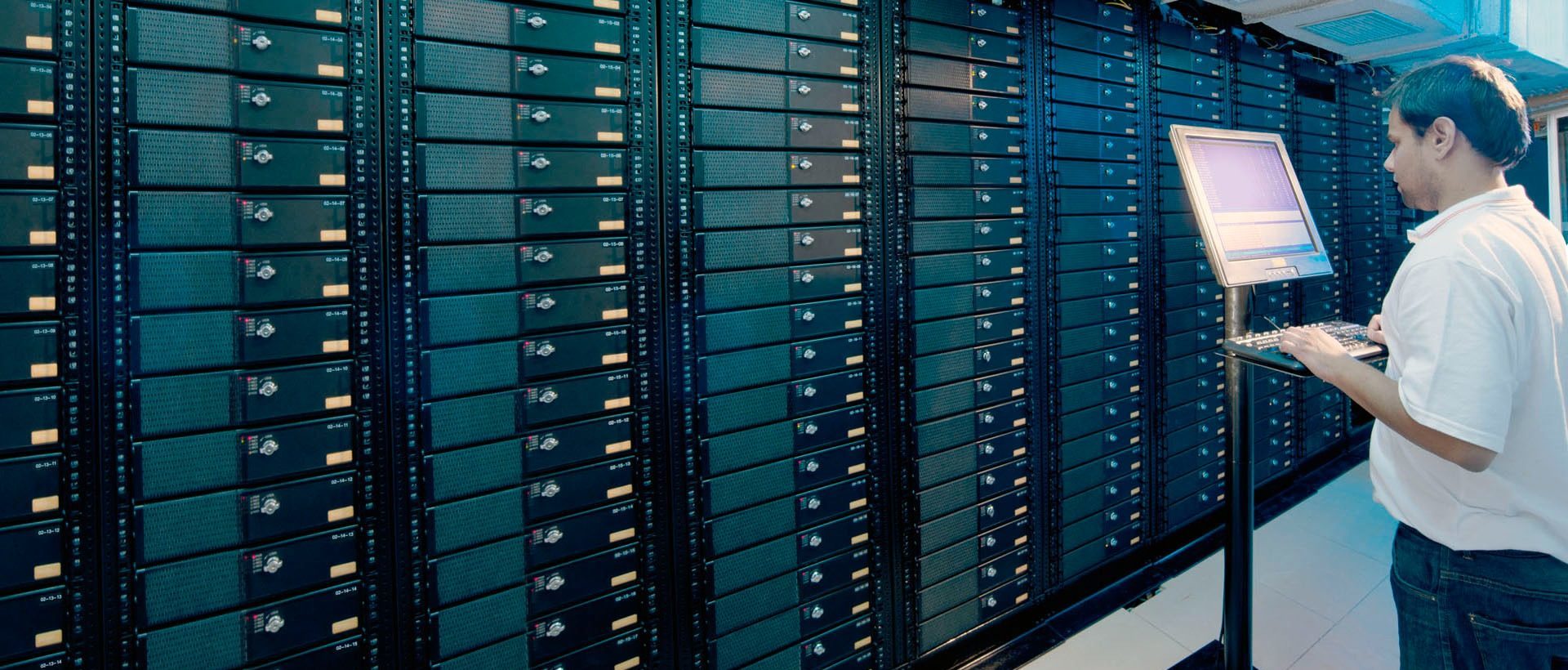
Data center (Azraelito/Wikimedia Commons)
Artificial intelligence giant Anthropic warned investors that data centers competing for natural gas could raise fuel prices in some areas.
Anthropic made the warning in its Form S-1 registration statement for an initial public offering, which it filed with the Securities and Exchange Commission (SEC) on Monday.
“As data center operators increasingly rely on natural gas-fired generation, and because behind-the-meter and on-site arrangements are feasible only in some jurisdictions given the applicable regulatory frameworks, we expect increased competition among users for the same natural gas supply and pipeline capacity in those areas,” the company wrote in the filing.
“This competition could drive up the price of natural gas in such areas and may adversely affect our ability to contract for firm fuel supply and transportation and to secure the pipeline connections and laterals our facilities require,” Anthropic added.
Some of Anthropic’s planned data centers will rely on on-site gas-fired generators, according to the filing.
The company said that setup exposes it to “fuel price volatility and supply disruptions that are outside of our control.”
Anthropic noted that it generally pays fuel costs at those sites “on a pass-through basis without cost caps.”
Anthropic did not immediately respond to the Daily Caller News Foundation’s request for comment.
Anthropic also wrote in the same section of its S-1 that it has promised to cover higher electricity costs its data centers pass on to consumers.
“We have publicly committed to covering the cost of electricity price increases to consumers caused by our data centers, including both the cost of electricity itself and the infrastructure necessary to deliver it,” the filing states.
The filing makes no similar commitment on natural gas prices.
Anthropic wrote that it may be unable “to secure firm gas supply and transportation during the development of a facility, causing a planned site to be delayed or abandoned.”
Anthropic confidentially submitted its first draft of the filing to the SEC on June 1. That version mentioned fuel price volatility at the gas-fired sites but said nothing about competition raising prices.
The competition warning first appeared in a Sept. 4 draft, according to SEC records.
Paul Cicio, president and CEO of the Industrial Energy Consumers of America, a group of manufacturing companies, said pipelines are already limiting how much gas manufacturers can get.
“Across the country, despite warm weather, natural gas pipelines are issuing OFOs (Operational Flow Orders) that restrict our ability to receive higher rates of natural gas, which limits our ability to increase production of goods to supply the economy and including defense industries,” Cicio said in a statement to the DCNF.
Cicio said Congress should pass the Senate’s energy permitting bill.
RBC Capital Markets commodity strategist Christopher Louney forecast in a May 14 analysis on the bank’s website natural gas consumption from data centers “reaching approximately 6.1 billion cubic feet per day by 2030, with a likely range of 6–7 billion cubic feet per day by decade’s end.”
That could mean a nearly 20 percent increase over the average yearly amount of gas burned for power in recent years, according to RBC.
Major technology companies have signed the “Ratepayer Protection Pledge,” which RBC described as “a non-binding commitment to cover the full cost of power and grid infrastructure for their data centers.”
“However, this commitment has largely lacked specificity around timing, scope, and enforcement, leaving regulatory uncertainty intact,” the bank wrote.
A bill meant to make data centers cover those costs, the Ratepayer Protection Act, passed the House 417-3 in September but fell three votes short of advancing in the Senate on Sept. 30.
Under the bill, state regulators and utilities that set their own rates would have to consider standards making large data centers pay for the power generation and grid upgrades built to serve them, the DCNF reported. They would not have to adopt them.
“Because the bill requires states and utilities to consider that standard, the actual protection for households would depend on whether regulators adopt it,” Heritage Foundation environmental and energy policy analyst Sarah Wagoner said in a statement to the DCNF earlier in October.
“Rather than voluntary pledges or suggestions to states, Congress needs to pass real legislation with real teeth,” Democratic New Mexico Sen. Martin Heinrich said in floor remarks his office released Sept. 17.
Republican Ohio Sen. Jon Husted, the bill’s Senate sponsor, is seeking another way to pass it, including through bipartisan permitting legislation, his spokesperson said in a statement to the DCNF earlier this month.
Husted faces former Democratic Ohio Sen. Sherrod Brown in the Nov. 3 election.
All content created by the Daily Caller News Foundation, an independent and nonpartisan newswire service, is available without charge to any legitimate news publisher that can provide a large audience. All republished articles must include our logo, our reporter’s byline and their DCNF affiliation. For any questions about our guidelines or partnering with us, please contact [email protected].