

National Defense
EXCLUSIVE: America’s War Machine Has A China Problem. These Manufacturers Want To Fix It
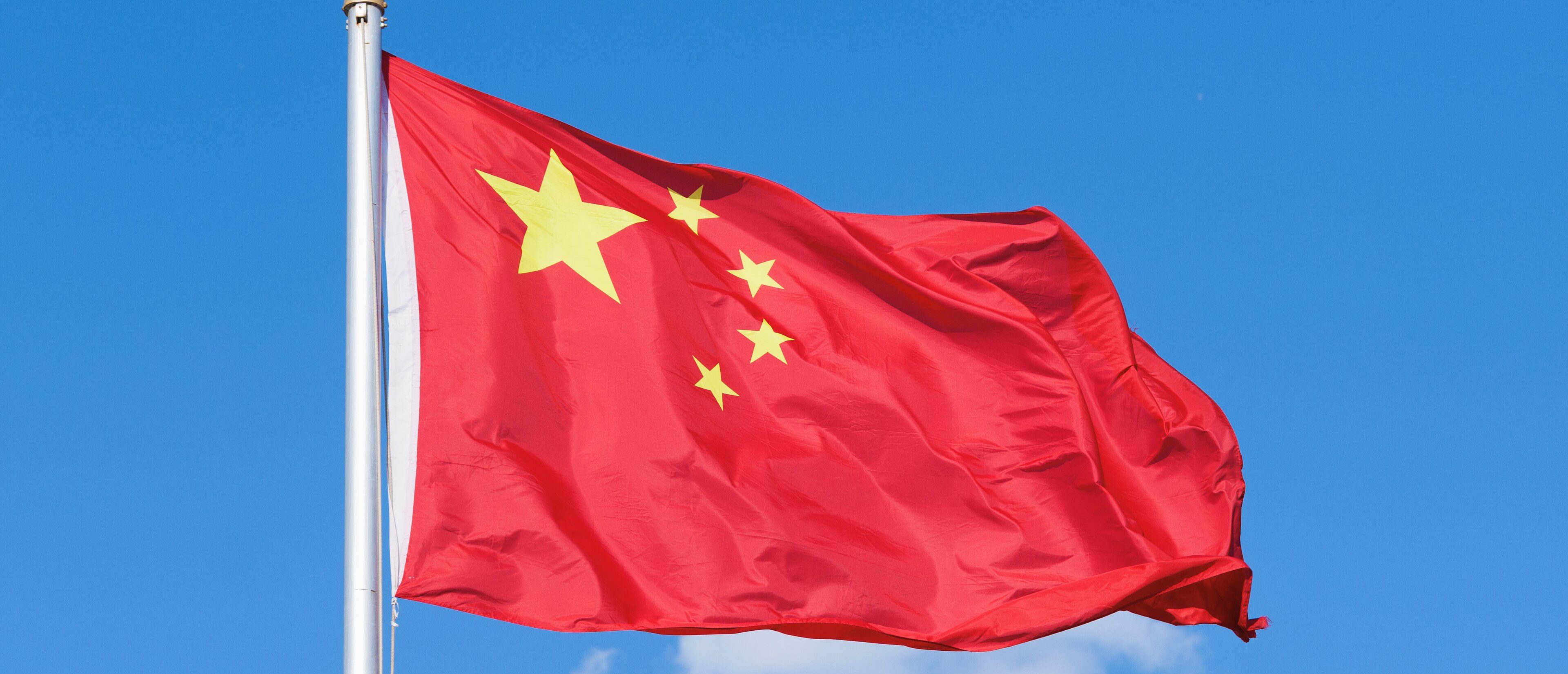
[Wikimedia Commons/Public/TurnOnTheNight, CC BY 1.0, <https://creativecommons.org/publicdomain/zero/1.0/deed.en>]
WASHINGTON — American aluminum manufacturers are moving to restore domestic production and create thousands of jobs, lessening America’s dependency on China for a metal critical to national defense.
Though it the metal is critical for U.S. defense infrastructure, America is not a dominant aluminum producer. Bringing its manufacturing back to the U.S. lessens the country’s dependence on China and creates American jobs, panelists said at an Oct. 16 event hosted by the American Primary Aluminum Association at the National Press Club in Washington D.C.
“When I first came to Washington, I didn’t have gray hair and the US aluminum industry was the largest producer in the world. And today we produce just 1% of total global aluminum production,” economist Adam Hersh said at the fireside chat. “We don’t only have no capacity to produce it here in the United States, but there’s no capacity to produce it anywhere in a NATO country. We have to rely on getting that … high purity aluminum either from China, Russia or the United Arab Emirates.”
China now produces 59% of the world’s aluminum, up from just 11% in 2000. With state backing, China’s aluminum industry has become a global giant. China’s dominance in this realm has led to America’s decline, according to Hersh’s new economic study he provided to the Daily Caller News Foundation at the event.
This foreign dependence poses a potential national security risk, panelist and retired U.S. Army Gen. David Petraeus warned.
“Geopolitics now trumps economics and supply chains are not as dependable. And you now have to engage in just in case logistics,” Petraeus, who served as CIA director during the Obama administration, said. “The problem is that whomever now is not necessarily a friend or an ally and you don’t want to be in the position where you’re dependent on someone with whom you’re competing in a variety of other ways who can use that then as a lever on you.”
“The fact is that we have allowed China to achieve at least oligopolistic control over many of these strategic and rare earth mineral categories and processing in particular”, Petraeus continued, “And that should make us very, very uncomfortable.”
A supply chain shortage would hinder America’s ability to produce munitions from missiles to aircraft. Revitalizing the American aluminum industry would mitigate the risk of economic coercion, especially during a time when the nation is at war.
Regarding the consequences of Beijing disrupting aluminum supply to America, “That would just literally take us — it’d be like kneecapping us,” Petraeus claimed.
Aluminum is a “foundational material for aircraft, armored vehicles, naval systems, and munitions components”, according to West Point’s Modern Warfare Institute. It is utilized to produce Patriot Missile systems, F-35 Joint Strike Fighters, F-16 Fighting Falcons, UH-60 Black Hawks, and Joint Light Tactical Vehicles (JLTVs) all are produced with aluminum.
“When you become CIA director, you learn on day one that you have to deal with the world the way it is, not the way you’d like it to be,” Petraeus stated. “We don’t like and shouldn’t like the fact that we are dependent on potential adversaries … in the case of China and then obviously in the case of Russia as well. So we need to accelerate what we’re doing at home.”
While intended to protect national security, investing in America’s aluminum production has also economically stimulated the American heartland. Century Aluminum’s plant in South Carolina has reopened at 100% capacity, creating new jobs. The average salary of a century aluminum employee based out of their South Carolina and Kentucky plants is $125,000 with benefits, according to American Primary Aluminum Association President Mark Duffy.
The placement of the plants in rural areas has allowed communities to flourish.
“What we see in our plants is actually higher rates of married employees than America in general, higher rates of children than America in general,” panelist Century Aluminum CEO Jesse Gary told the DCNF after the panel discussion. “Our parking lots look like F-150 showrooms.”
Section 232 is the current framework in which America is starting to localize its aluminum production. Part of the Kennedy-era 1962 Trade Expansion Act, it gives the president executive power to impose tariffs on steel in aluminum in order to protect United States national security. Past administrations have not invoked section 232 due to fear of retaliation from trade partners and prioritization of free trade.
“I am actually against tariffs in general as a classical economist except when your national security demands that you have tariffs to protect or to bring back industries that are absolutely vital to our national security,” Petraeus continued. “If we don’t do that, we’d be held hostage by others that don’t share our values and principles or even objectives in the world.”
All content created by the Daily Caller News Foundation, an independent and nonpartisan newswire service, is available without charge to any legitimate news publisher that can provide a large audience. All republished articles must include our logo, our reporter’s byline and their DCNF affiliation. For any questions about our guidelines or partnering with us, please contact [email protected].