

Energy
EPA Shelves Biden’s Chemical Spill Rule Until 2030 And Strips Its Climate Mandates
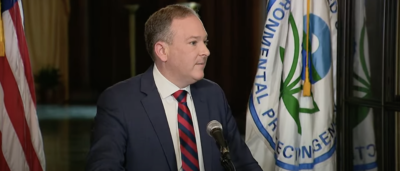
EPA Administrator Lee Zeldin (YouTube / Screenshot / Public — User: FOX 5 Atlanta)
The Trump administration is giving thousands of facilities that store hazardous chemicals near waterways three more years to plan for worst-case spills.
The Environmental Protection Agency (EPA) moved the deadline for facilities to submit the plans from June 1, 2027, to June 1, 2030, in a final rule filed for public inspection Friday and scheduled for publication in the Federal Register on Tuesday. The rule also strips climate change and environmental justice language from the Biden-era requirements.
The 2024 rule requires onshore facilities that hold large amounts of hazardous substances within half a mile of navigable waters to plan for “the largest foreseeable discharge in adverse weather conditions” and submit those plans to the agency.
The EPA said in a statement to the Daily Caller News Foundation, citing its 2024 estimate, that the rule would apply to nearly 5,400 industrial and commercial facilities. The sectors the agency lists as potentially affected range from crop production and oil and gas extraction to chemical manufacturing, utilities, hospitals and gas stations.
Sewage treatment plants make up the largest group, with 1,082 facilities, followed by 727 farm supply wholesalers, 712 water supply and irrigation systems and 190 power plants, according to the EPA’s 2024 regulatory impact analysis.
The analysis found that 1,273 of the covered facilities, about 24 percent, are owned and operated by government entities, almost all of them public water or wastewater treatment plants. Those government facilities would face about $20 million a year in compliance costs, the analysis estimated.
“EPA is revising the compliance deadlines in light of serious concerns that facilities may be unable to comply with the relevant requirements by the existing deadline,” the agency wrote in the rule.
The EPA said it has not identified models that can account for the physical and chemical properties of each of the 296 hazardous substances the rule covers as they move over land and through water.
“EPA’s efforts to date confirm that the rule cannot be implemented absent a years-long effort to develop modeling and other tools necessary for compliance,” the agency wrote.
“The final rule is a positive step forward given implementation and compliance concerns with the rule and the need for EPA to develop the tools and guidance necessary to enable regulated facilities to develop and provide thorough, targeted facility response plans in regards to potential worst-case discharges to a navigable water,” the American Chemistry Council said in a statement to the DCNF.
The group, which represents chemical manufacturers, said it appreciates that the EPA will use the delay to consider revisions to the rule and that it will keep reviewing the final rule.
The EPA expects to propose changes to the 2024 rule next year. The agency “is working to prepare a notice of proposed rulemaking, which EPA anticipates publishing in the Federal Register in 2027 for public comment,” its press office said in the statement.
Earthjustice did not immediately respond to the DCNF’s request for comment.
The agency estimates the delay will save facilities and governments about $26 million a year, with a present value of $348 million. The Biden-era EPA estimated in 2024 that the rule would cost about $112 million to $117 million a year.
The EPA did not put a dollar figure on the rule’s benefits in 2024, assessing them only in qualitative terms, so the delay has “no quantifiable effect” on benefits, according to the new rule.
EPA Administrator Lee Zeldin said in a Sept. 28 post on X that the agency has delivered more than $1.6 trillion in “deregulatory relief.”
The final rule also removes “climate change” from the rule’s definition of adverse weather and drops a provision that let EPA regional administrators weigh a facility’s “potential to adversely impact communities with environmental justice concerns” when deciding whether to require a plan. The provision now refers to “potentially exposed or susceptible populations.”
“A disproportionate focus on climate-related hazards may result in uneven applicability determinations, which could skew planning away from a risk-based approach,” the EPA wrote, adding that such a focus “could lead to planning based upon highly unlikely events, rather than foreseeable scenarios.”
The agency said the changes bring the rule in line with an executive order President Donald Trump signed on his first day back in office that rescinded former President Joe Biden’s orders on climate change and environmental justice.
“As climate change increases the frequency and severity of extreme weather events, planning and preparedness for these incidents are especially important,” Clifford Villa, then deputy assistant administrator for the EPA’s Office of Land and Emergency Management, said when the agency finalized the rule in March 2024.
The EPA received 30 comments on its March proposal — 18 in support and 11 opposed — according to the rule. Industry groups backed the delay, citing the rule’s complexity, the cost of compliance and the lack of EPA tools and guidance, the agency wrote. Several commenters urged a delay of five years or more, according to the rule.
Citizens, environmental and health groups and a Tribal community opposed it, arguing that “there could be environmental impacts of a discharge in the meantime” and that implementation was overdue, the EPA wrote. Some of those commenters said a 12-month delay would be enough, according to the rule.
The EPA has required response plans for oil facilities since 1994, according to the agency’s 2024 analysis. The Natural Resources Defense Council, Clean Water Action and the Environmental Justice Health Alliance for Chemical Policy Reform sued the agency in 2019 for failing to issue the hazardous substance rules, and the first Trump administration settled the case in a March 2020 consent decree, according to the EPA.
The EPA is also weighing changes to the 2024 rule itself. It asked for public input on possible revisions in February and took comments through May 19, according to the rule. The potential amendments include “opportunities to address regulatory burden by avoiding duplicative efforts while maintaining planning requirements to protect human health and the environment,” the agency said in its statement to the DCNF.
“EPA also recognizes that a delay would provide time for EPA to consider whether revisions are necessary before facilities must comply,” the agency wrote.
The rule takes effect 60 days after it is published in the Federal Register, per the EPA.
All content created by the Daily Caller News Foundation, an independent and nonpartisan newswire service, is available without charge to any legitimate news publisher that can provide a large audience. All republished articles must include our logo, our reporter’s byline and their DCNF affiliation. For any questions about our guidelines or partnering with us, please contact [email protected].