

Business
Debt Bombs Are Ticking On America’s Farms
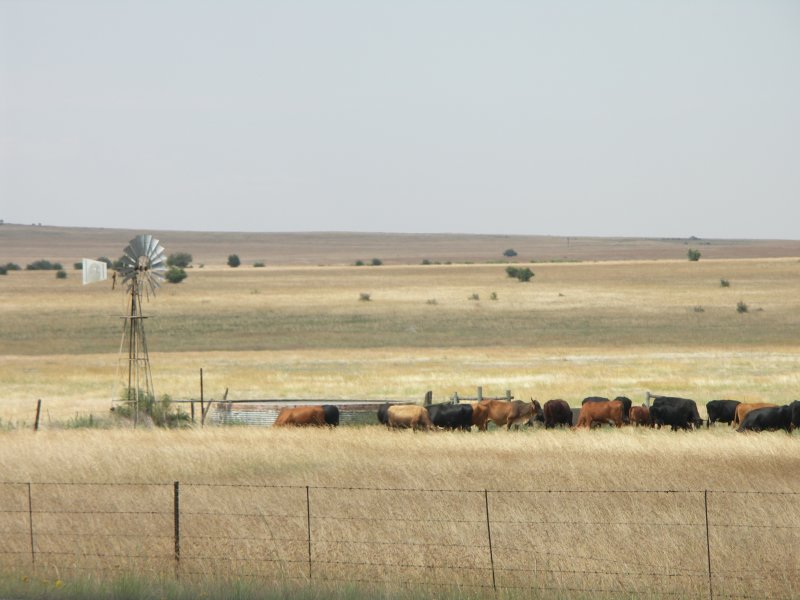
Phot credit: commons.wikimedia.org
American farmers are drowning in record debt, and federal officials fear billions more in borrowing could be slipping under the government’s radar.
U.S. agricultural debt is expected to reach a record $605.1 billion in 2026, according to the Department of Agriculture (USDA), but a growing reliance on unconventional lenders could mean the true figure is considerably higher, Reuters reported Thursday. Farmers are simultaneously grappling with depressed crop prices, trade disputes that disrupted exports to China and soaring fertilizer and diesel costs fueled by the war with Iran.
The USDA is now investigating how much farmers actually owe and whether financial trouble in agriculture could spill into the broader economy.
“There are new lenders popping up and we need to find ways to access that data,” said Jeffrey Hopkins, acting assistant administrator at USDA’s Economic Research Service.
The USDA projects the agricultural sector’s debt-to-asset ratio will rise to 13.54% this year. Inflation-adjusted farm debt has more than doubled since 2000, according to Reuters.
Much of the concern centers on farmers increasingly borrowing from equipment manufacturers, agricultural suppliers, cooperatives and other lenders whose loans are harder for federal officials to track.
A 2024 study involving Kansas State University and USDA researchers found that equipment borrowing from nontraditional lenders could be as much as four times greater than official figures suggested.
Roughly half of commercial farms relied on nontraditional or vendor lenders to finance operations this past season, according to an agricultural economics firm cited by Reuters.
American farmers are also struggling to sell their crops abroad. Washington’s trade battles with Beijing disrupted agricultural exports, while a September agreement to reduce tariffs on some farm products excluded soybeans, a major American export.
Fuel costs have added another financial burden. President Donald Trump signed an executive order Monday temporarily expanding highway access to red-dyed diesel, which is normally reserved for off-road equipment, and directing federal officials to provide tax-payment relief through December.
The administration said the measure could lower costs for agricultural haulers, although farmers already use the fuel in tractors and other off-road machinery. USDA officials are working with agricultural cooperatives, rural fuel distributors, farm suppliers and states to identify areas with heavy harvest activity and potential fuel shortages.
The economic strain is pushing some farmers to seek income outside traditional agriculture. In Idaho, farmers clashed with local officials over restrictions on leasing agricultural land for large-scale renewable energy projects.
One farmer said a proposed solar lease could generate four to five times as much income per acre as growing wheat.
Cattle producers are facing their own financial squeeze. Ranchers previously told the DCNF that high operating costs, limited competition among major meatpackers and obstacles facing smaller processors had made it difficult to turn a profit even as retail beef prices remained elevated. The U.S. cattle herd has also fallen to its lowest level in roughly 75 years, forcing the industry to rebuild supply while producers absorb high feed, land, labor and borrowing costs.
USDA officials are examining whether mounting farm debt could create financial problems for lenders and agricultural suppliers themselves.
“The risk we could see then is not just to the farmers themselves, but financial distress to the broader agribusiness ecosystem,” Wesley Davis, a partner at Meridian Agribusiness Advisors, told Reuters.
All content created by the Daily Caller News Foundation, an independent and nonpartisan newswire service, is available without charge to any legitimate news publisher that can provide a large audience. All republished articles must include our logo, our reporter’s byline and their DCNF affiliation. For any questions about our guidelines or partnering with us, please contact [email protected].