

Legal/Law/Criminal Justice and Reform
Judge Tosses Blue State’s Carry Ban — But It Gets Worse For New York
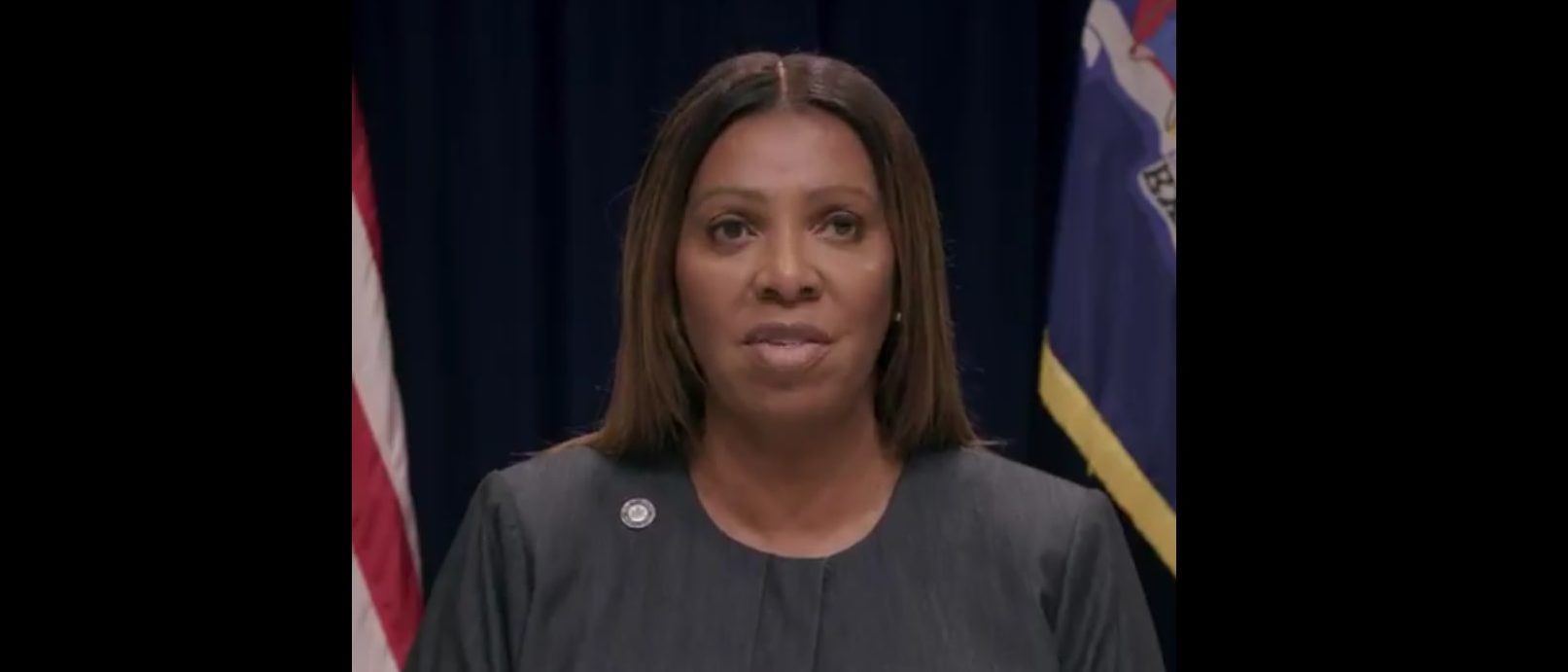
(Screenshot/X/NewYorkStateAG)
A federal judge threw out a portion of New York’s “sensitive places” law in a ruling issued Wednesday, hinting that he doubted the law would stand up to Supreme Court scrutiny.
New York’s “sensitive places” law was passed in the aftermath of the June 2022 Bruen decision, which declared that discretionary issue of concealed carry permits was unconstitutional on Second Amendment grounds. In the ruling, Senior United States District Judge Glenn T. Suddaby of the Northern District of New York, a George W. Bush appointee, threw out the state’s restriction on carrying firearms in unsecured areas of airports because he believed it would fail to pass muster in the Supreme Court.
“The Court must candidly acknowledge that it is conceivable or even likely that certain rulings of the Second Circuit in Antonyuk II may be overruled by the Supreme Court based on its intervening decisions (e.g., in Rahimi, Hemani, and Wolford) not simply for the reasons proffered by Plaintiffs but for three other reasons,” Suddaby wrote. “First, the challenged provisions discussed in this Decision and Order do not exist in a vacuum but together with numerous other provisions banning concealed carry.”
“As a result, it is difficult for the Court to logically conclude that the CCIA is complying with the Supreme Court’s pronouncement that a state law cannot ban firearm carriage ‘too broadly’ so that it ‘would eviscerate the general right to publicly carry arms for self-defense,’ when the CCIA bans concealed carry in so many discrete locations that together the bans constitute a ban that exists nearly everywhere,” Suddaby continued.
In June, the Supreme Court ruled in Wolford v. Lopez that Hawaii’s law requiring private property owners who wished to allow concealed carry on the premises to clearly post signs that carrying guns was allowed was unconstitutional. The provision was included in a law similar to New York’s “sensitive places” statute that was passed after the Bruen decision.
Suddaby upheld other restrictions, but noted that he believed that the restrictions would likely fail a review by the Supreme Court.
“While certain rulings of the Second Circuit in Antonyuk II may conceivably or even likely be overruled by the Supreme Court based on its intervening decisions, this Court must follow those rulings from Antonyuk II unless the Supreme Court’s intervening decisions so undermine those rulings that they will ‘almost inevitably’ be overruled by the Second Circuit,” Suddaby wrote.
All content created by the Daily Caller News Foundation, an independent and nonpartisan newswire service, is available without charge to any legitimate news publisher that can provide a large audience. All republished articles must include our logo, our reporter’s byline and their DCNF affiliation. For any questions about our guidelines or partnering with us, please contact [email protected].