

Foreign Affairs
Iran Has No Idea Where It Planted Mines In Strait Of Hormuz
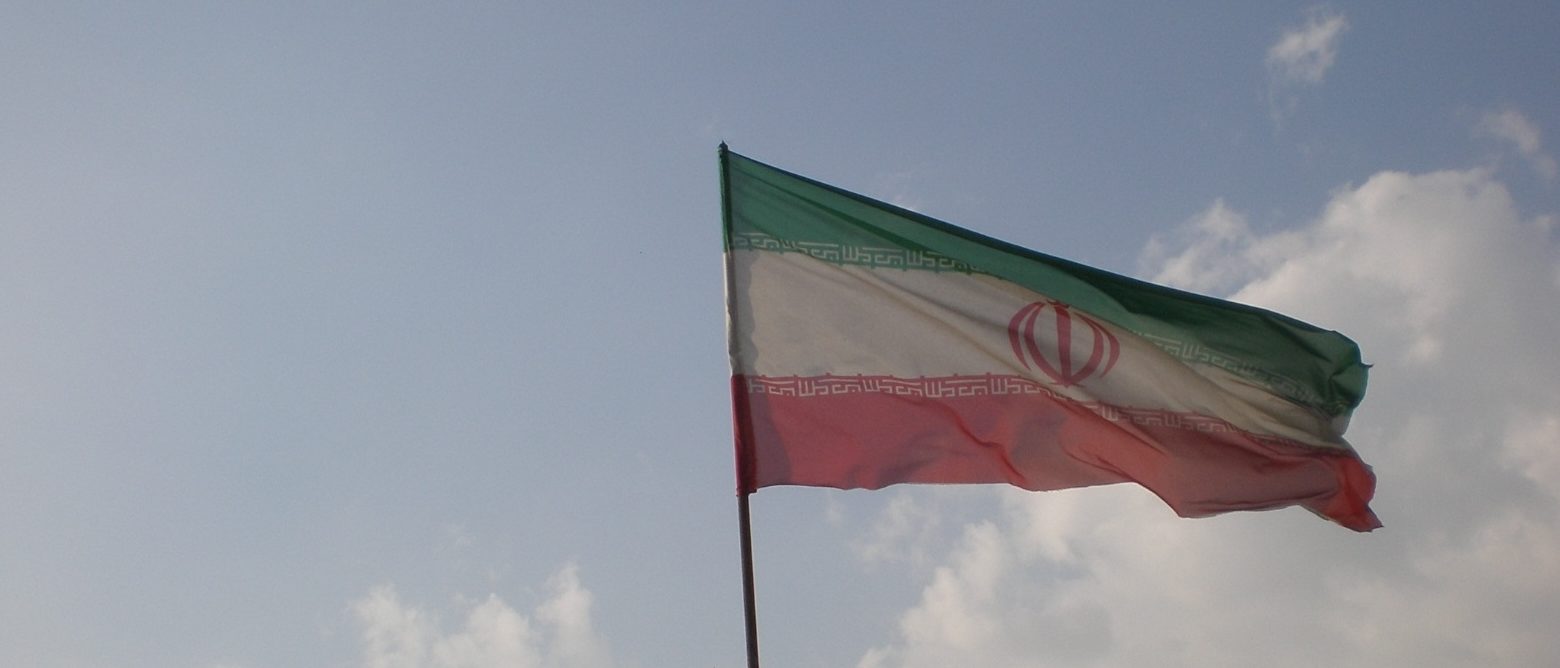
Flickr/szczepan.lemanczyk
Iran reportedly failed to locate all the naval mines it deployed in the Strait of Hormuz, preventing it from quickly reopening the critical shipping lane.
Iranian Deputy Foreign Minister Saeed Khatibzadeh said in an interview with ITV that the Iranian regime has laid naval mines in the Strait of Hormuz. U.S. officials say Iranian forces seeded the strait with mines last month, however, Iran did not systematically track every placement and, in some cases, deployed mines in ways that allowed them to drift from their original positions, according to The New York Times.
As a result, Iranian authorities now cannot reliably map, locate, or recover all of the weapons they deployed. The inability to account for the mines has become a key factor in Tehran’s failure to meet demands from the Trump administration. President Donald Trump on Tuesday suspended a planned U.S. military strike on Iran for two weeks, citing ongoing diplomatic efforts and communications with Pakistani leaders. He said the pause depends on Iran’s agreement to the opening of the Strait of Hormuz.
Iranian officials have instead pointed to what they describe as “technical limitations,” words that U.S. officials interpret as an acknowledgment that Tehran lacks both the situational awareness and the specialized capability required to conduct rapid mine clearance operations.
U.S. officials estimate Iran possesses between 2,000 and 6,000 naval mines, according to figures that CBS News cited. A declassified Central Intelligence Agency report from 1984 indicates that some of these munitions carry warheads exceeding 1,100 pounds (500 kilograms), a payload capable of disabling or sinking large commercial and military vessels.
The Strait of Hormuz remains partially open, but Iran has restricted traffic to controlled channels and allowed passage only under conditions that include toll payments and adherence to designated routes. The Islamic Revolutionary Guards Corps has repeatedly warned commercial shipping operators that vessels risk striking sea mines outside those corridors, while Iranian-aligned media outlets have published navigational guidance illustrating limited safe passages.
(Featured Image Media Credit: szczepan.lemanczyk. https://www.flickr.com/photos/9306986@N07/5327693470/in/photolist-97MPDY-RXYpmr-RVmvfA-S9UBdi-aDNyXG-sf7oAc-motKr-Fagxem-nodUvt-pTBBE1-5EFDBK-4FKKsP-6B8WWb-nodJYy-eHdjrR-ryHZS8-RVmt5y-3Dmxrd-RXYmMt-RXYoma-RVmv1s-RVmrQQ-6B8WLs-4C6SRL-f3gtGn-f6k2H3-UY41SW-4FPVcJ-4C6Tff-eQkFop-4C6Ssq-V2F2wR-eHjfyh-eyZChx-5Aw51L-4PS5FF-PZcevQ-mAq6xr-U15m3p-nfWPvx-4PS1y4-nodMEL-NXbDGE-8g7wEf-8rtwSa-5oJK99-eHdGnT-PDdSM9-nov89X-DoUZ2a)
All content created by the Daily Caller News Foundation, an independent and nonpartisan newswire service, is available without charge to any legitimate news publisher that can provide a large audience. All republished articles must include our logo, our reporter’s byline and their DCNF affiliation. For any questions about our guidelines or partnering with us, please contact [email protected].