

Technology
Chinese-Linked Network Of More Than 400 AI Apps Hid Deepfake Porn Tools From Apple, Google
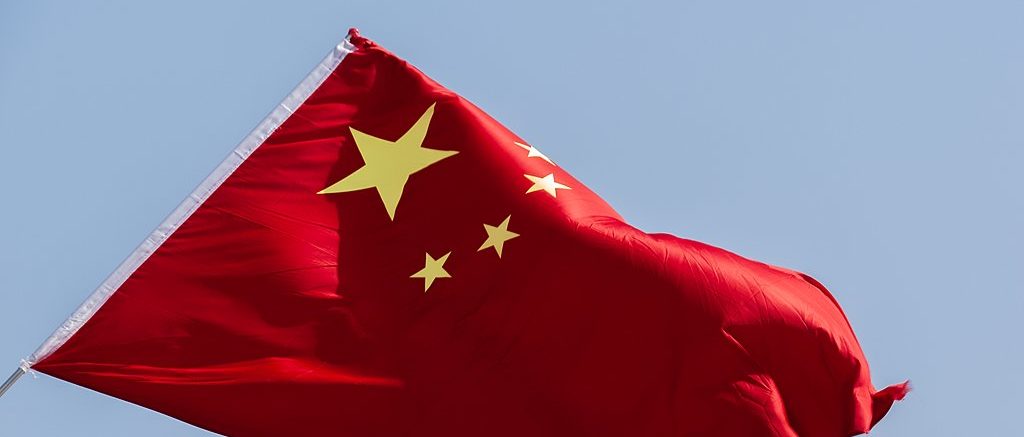
(Wikimedia Commons/Public/Ermell)
Hundreds of Chinese-linked artificial intelligence apps have been secretly hosting pornographic deepfake tools under big tech companies’ noses.
A network of 444 “nudifier” apps presenting themselves as tools for AI hair styling and pet portraits was actually discreetly allowing users to generate explicit deepfake content, according to a report by researchers at AI Forensics. Through the website domain, the products appeared to be operated by KeLing Technology Limited, a company registered in Hong Kong, in addition to Chinese developers, WIRED reported Monday.
Twenty of the network’s apps were rated as suitable for children on Google Play’s store in September, the report stated.
AI Forensics examined Prilos, an AI hair salon app, and found that ByteDance’s model was used for image generation, while Alibaba’s model was used for video creation, the report states.
Meanwhile, the researchers discovered that users downloading Prilos through Meta ads were shown an explicit version of the application, according to the report. “Bedroom Rape,” “Lock Her Up,” and “Captive Cum Bag” were among the nonconsensual explicit templates available to users by submitting an image to the app.
Another app, Viefur, was promoted as an anthropomorphic pet photo tool before it was removed from Apple’s store after WIRED asked the company about the apps, the outlet reported.
‘Root Out The Bad Actors’
The nudify apps followed Apple’s policies for initial approval, but they later swapped approved content for explicit pornographic content and ran ads on Meta to promote it, Apple told the DCNF.
“When bad actors circumvent our stringent review process, we move quickly to remove the apps and terminate the developers behind them, as we did with all 19 of these,” the company told the Daily Caller News Foundation in a statement. “We will continue to work 24/7 to root out the bad actors who engage in this abuse.”
“This is an organized, commercially run operation: One operator behind hundreds of disposable apps and domains, cloaked to pass App Store review and pushed through tens of thousands of Meta ads under fake payer names,” Paul Bouchaud, a lead researcher at AI Forensics, told WIRED.
Meanwhile, Google removed most of the nudify apps before WIRED contacted the company, the outlet reported. DiffAI, which “contains templates for creating CSAM and other types of pornographic material,” was downloaded from the Play Store over 105,000 times, the report stated.
Google did not provide a statement on the record to the DCNF by the time of publication. KeLing Technology Limited was unable to be reached by DCNF, with two of three inquiries unable to be delivered to the company’s emails.
KeLing’s email addresses from several websites in the network were removed following WIRED’s inquiry, according to WIRED.
‘Strict Rules Against Promoting Nudify Apps’
More than 84,000 ads tied to the network have run on Meta’s platforms since Jan. 1, the report found. These ads were paid for using made-up names like “123456.”
Meta said it already caught most of the network’s ads before WIRED contacted the company.
“We have strict rules against promoting nudify apps and work aggressively to keep this material off our services,” Meta said in a statement to the DCNF. “Our systems had already proactively detected and removed the majority of these ads, even as the criminals behind them take increasingly deceptive steps to evade detection — hiding behind fake names and identities, running ads that look benign, and sometimes linking to Google’s and Apple’s app stores, with the ads’ true intent revealed only after a click.”
After KeLing disregarded Meta’s cease and desist letter, the tech giant cut it off from advertising on its platforms in 2025, the company told the DCNF.
The operators behind the network run ad accounts and publish applications through shell companies in Hong Kong and switch shell companies after one is banned from the company’s platforms, Meta told the DCNF.
All content created by the Daily Caller News Foundation, an independent and nonpartisan newswire service, is available without charge to any legitimate news publisher that can provide a large audience. All republished articles must include our logo, our reporter’s byline and their DCNF affiliation. For any questions about our guidelines or partnering with us, please contact [email protected].