

Foreign Affairs
Canada’s Separatists Suffer Crushing Defeat As Voters Reject Independence
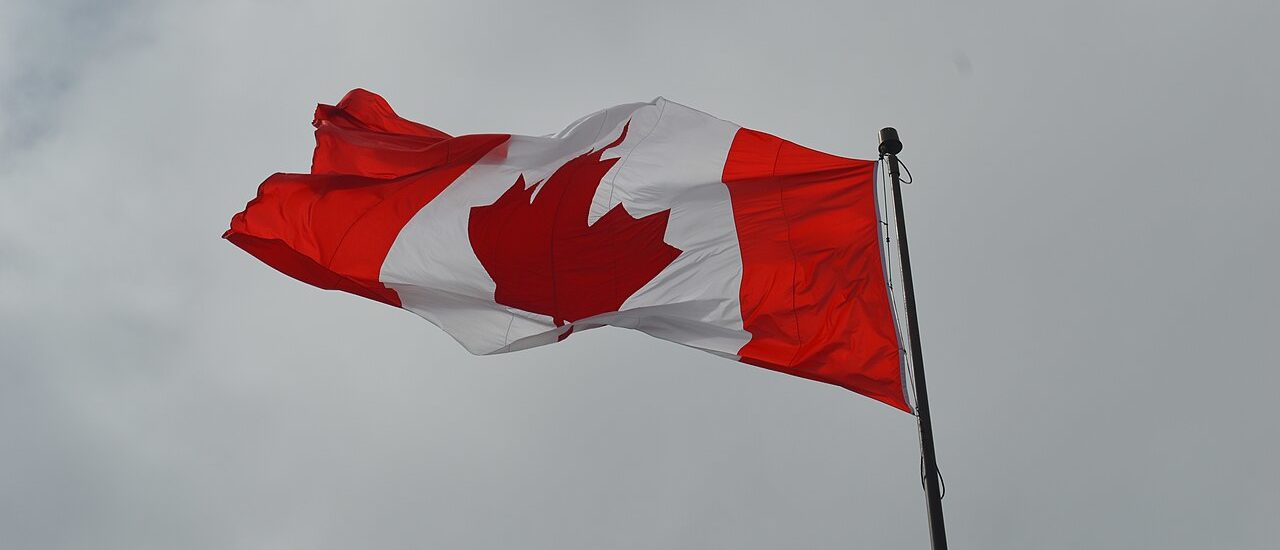
Rinbro, CC0, via Wikimedia Commons
Voters in Canada’s oil-rich province of Alberta overwhelmingly rejected a proposal to begin separating from the country Monday.
About 76% voted to remain in Canada, while 24% supported taking the first legal steps toward a potential independence vote, according to unofficial results from Elections Alberta. The result handed Prime Minister Mark Carney a major political victory while exposing fresh divisions among Alberta’s separatists and conservatives, The Guardian reported.
“Above all, Albertans chose Canada,” Carney said in a statement released by the Prime Minister’s Office.
Nearly 1.9 million votes had been counted when the initial figures emerged, The Guardian reported, citing Elections Alberta. The vote did not ask Albertans to declare independence immediately, but whether their government should begin the constitutional process needed to hold a subsequent binding referendum, according to Elections Alberta.
The separation question was one of 10 put to provincial voters Oct. 19, with the others addressing issues including immigration, public services and provincial constitutional authority, according to Elections Alberta. The province’s election agency plans to publish official results Oct. 29, according to Elections Alberta.
Carney said the outcome would allow Canadians to pursue expanded trade and major infrastructure projects. He also pledged to develop Canada’s energy industry, with Alberta playing a central role.
Alberta Premier Danielle Smith, who leads the province’s United Conservative Party (UCP), also welcomed the outcome, acknowledging that voters had delivered a clear mandate to remain Canadian, according to the Government of Alberta.
“Alberta will remain a province of Canada,” Smith said in a televised address published by the Government of Alberta.
Smith went further, promising not to hold another separation referendum while she remains premier. She nevertheless pledged to challenge Ottawa over provincial powers through Canada’s legal and political institutions.
The referendum followed competing petitions for and against separation that attracted hundreds of thousands of signatures. Smith previously said she added the question after a court ruling complicated an effort to hold a binding independence vote, according to the Government of Alberta.
The outcome may deepen tensions inside her own party, where supporters of separation have previously wielded considerable influence, The Guardian reported. Smith has spent months balancing those demands against the preferences of Albertans opposed to leaving Canada, the outlet reported.
One prominent separatist, Jeffrey Rath, called for a special party meeting to reconsider Smith’s leadership, arguing the independence movement could not succeed with her in charge, Global News reported.
Independence advocates were less willing to concede that the movement had been defeated for good. Keith Wilson, a separatist leader, said the results demonstrated that roughly a quarter of participating voters believed Alberta deserved better treatment, The Guardian reported.
The referendum also revealed how dissatisfaction with the federal government does not necessarily translate into support for independence. Pollster David Coletto said Albertans could harbor serious grievances against Ottawa while retaining a strong Canadian identity, The Guardian reported.
Canada’s federal Conservative leader, Pierre Poilievre, also opposed separation despite acknowledging that Albertans had legitimate complaints about federal policies, the Taber Times reported, citing remarks he delivered in Medicine Hat before the referendum.
Smith has similarly argued that Alberta should wield greater authority over its resources and domestic affairs without leaving Canada, according to an earlier address published by the Government of Alberta.
In her remarks after the vote, she cited signs of support for tougher provincial control over immigration, although counting on several referendum questions was still underway, according to the Government of Alberta.
For now, the province’s independence campaign faces an unmistakable electoral defeat, even as organizers prepare to continue fighting over its political future, The Guardian reported.
All content created by the Daily Caller News Foundation, an independent and nonpartisan newswire service, is available without charge to any legitimate news publisher that can provide a large audience. All republished articles must include our logo, our reporter’s byline and their DCNF affiliation. For any questions about our guidelines or partnering with us, please contact [email protected].