

Business
Wholesale Inflation Spikes To Highest Level In 4 Years
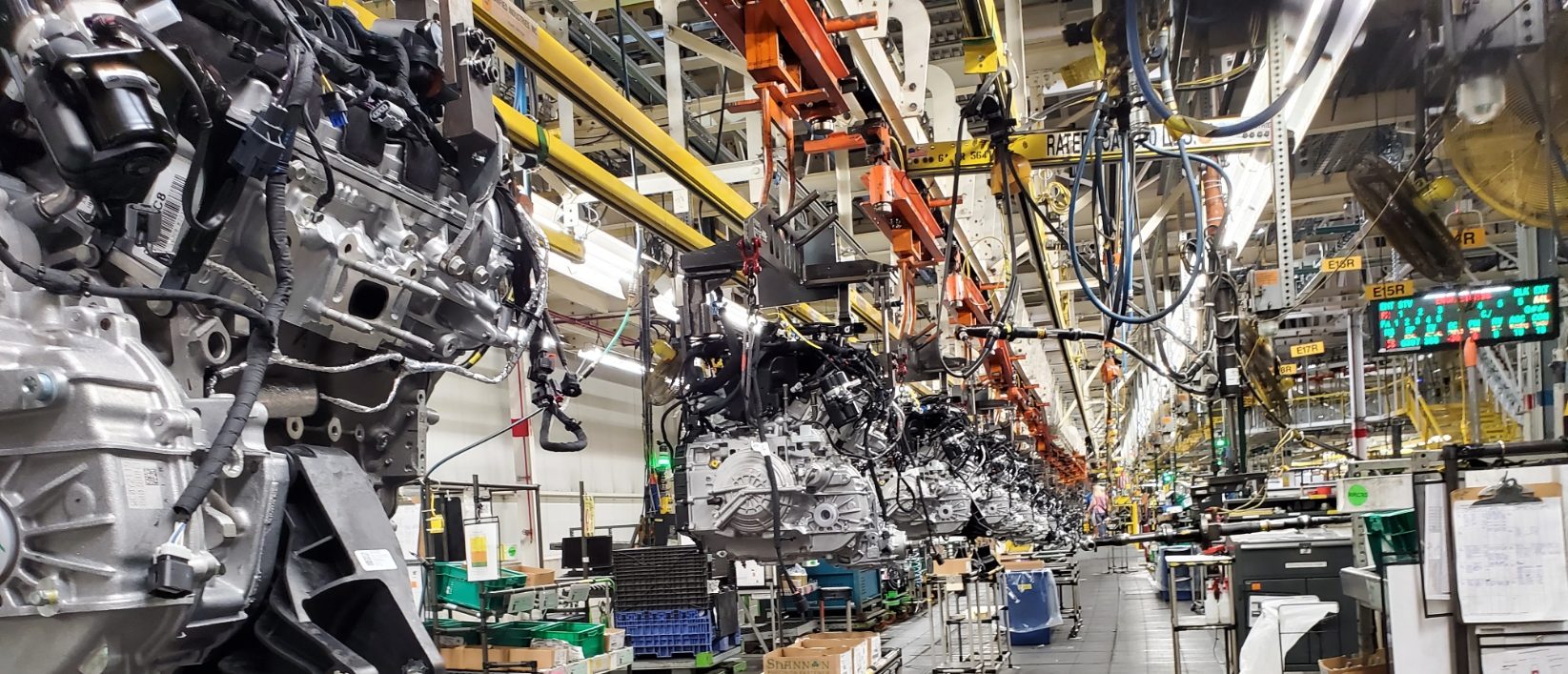
Engine Assembly -- General Motors Assembly Plant Tour
Wholesale inflation surged to its highest annual rate in nearly four years in September as soaring energy prices drove up costs for American businesses, according to federal data released Thursday.
The Producer Price Index (PPI), which measures prices received by domestic producers, jumped 6.3% from a year earlier, up from 5.6% in August and the largest annual increase since December 2022, according to the Bureau of Labor Statistics (BLS). The figures added to mounting inflation concerns after Wednesday’s consumer price report showed another acceleration in prices, threatening to squeeze household budgets and increase pressure on the Federal Reserve to raise interest rates.
Wholesale prices climbed 1.3% in September alone, the largest monthly increase since March 2022, when prices jumped 1.7%. The increase more than doubled the 0.6% gain economists expected, according to a Dow Jones consensus estimate.
Energy costs drove much of the increase, with prices for final demand energy surging 10.8% in September. Wholesale gasoline prices jumped 20.3%, accounting for half of the monthly increase in goods prices, while diesel fuel, jet fuel and crude petroleum prices also rose.
Prices for goods increased 2.6%, the largest monthly jump since the BLS began calculating the series in December 2009. Service prices climbed 0.8%, while transportation and warehousing services increased 3.4%.
Even excluding food, energy and trade services, wholesale prices increased 0.5% in September and 5% over the previous year, suggesting inflationary pressures extended beyond volatile fuel markets.
Thursday’s report followed Wednesday’s consumer inflation figures, which showed prices paid by Americans rising 3.7% annually in September, up from 3.4% in August. Consumer prices increased 0.6% during the month, with gasoline prices surging 9.1% and accounting for more than half of the overall increase.
The inflation surge unfolded against the backdrop of the U.S.-Israeli war with Iran, which began in late February and disrupted global energy markets. Rising oil and fuel costs have increased expenses for businesses transporting goods, operating equipment and moving products through supply chains, creating additional pressure on prices paid by consumers.
September’s consumer inflation report showed gasoline prices were 34.2% higher than a year earlier, while fuel oil prices surged 74.2%. Higher energy costs have compounded financial pressures on American households as wage growth struggles to keep pace with rising prices.
The Federal Reserve raised its benchmark interest rate in September for the first time since July 2023, bringing its target range to 3.75% to 4%.
All content created by the Daily Caller News Foundation, an independent and nonpartisan newswire service, is available without charge to any legitimate news publisher that can provide a large audience. All republished articles must include our logo, our reporter’s byline and their DCNF affiliation. For any questions about our guidelines or partnering with us, please contact [email protected].