

Business
America’s Housing Market Shows Cracks As Foreclosures Rise And Buyers Retreat
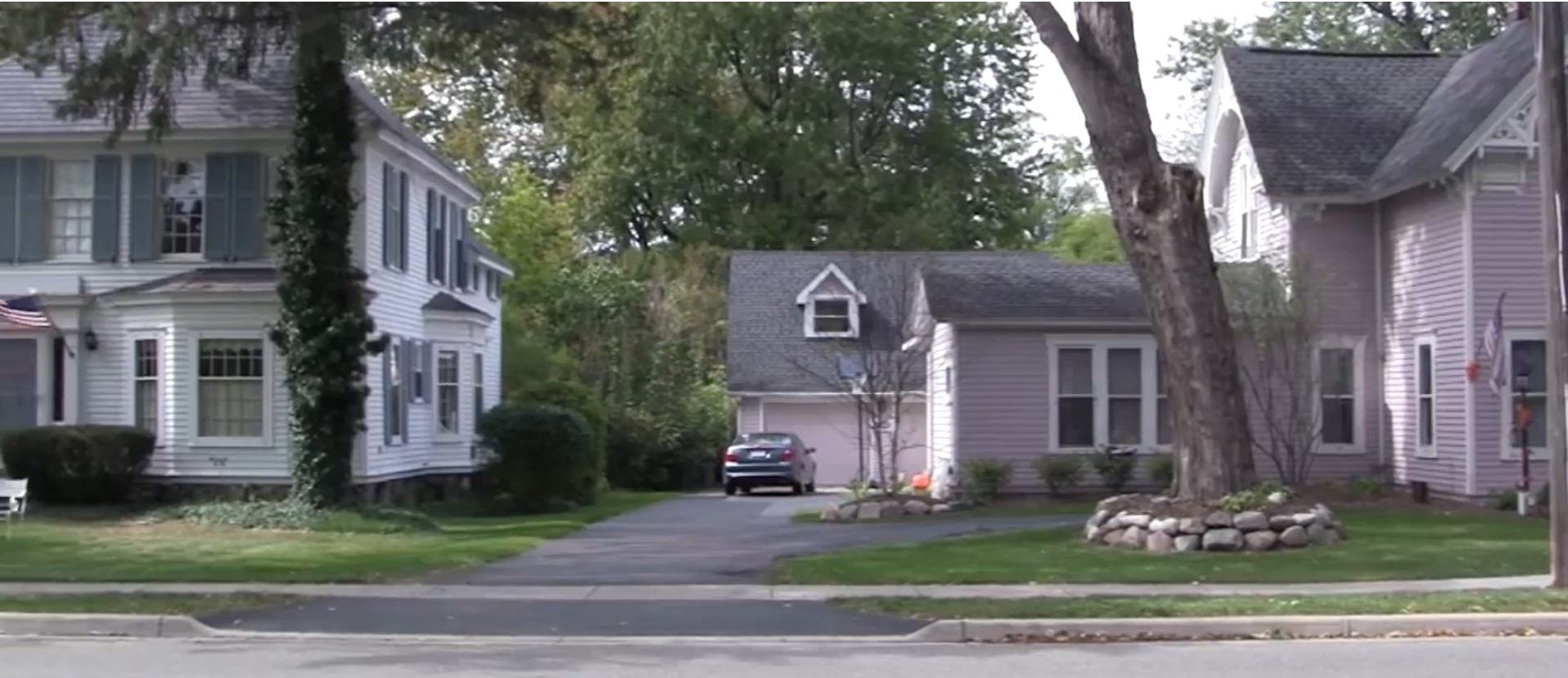
Homes in Oakland County, Mich. (Screen Capture/Oakland County, Michigan Government)
America’s housing market was showing growing signs of distress as home sales plunged toward decade-old lows, foreclosures climbed and soaring mortgage rates squeezed buyers and homeowners alike.
Pending home sales fell 4% in September, their steepest monthly decline in more than three years, as borrowing costs surged above 7%, according to a Redfin report released Monday. Meanwhile, foreclosure filings rose 13% from a year earlier in August, with completed bank repossessions jumping 42%, according to real estate data firm ATTOM, underscoring mounting pressure across a housing market already strained by years of elevated prices.
The September decline pushed pending sales to their lowest level since 2014, excluding the early months of the COVID-19 pandemic. Contract signings fell from a year earlier in all 50 major metropolitan areas tracked by Redfin, a nationwide pullback last seen in September 2023.
“The mood in the real estate industry has significantly shifted,” Redfin Chief Economist Daryl Fairweather told Bloomberg. “When interest rates go up like this, fewer people can afford to buy homes, which means sales have to fall.”
The average 30-year fixed mortgage rate reached 7.40% on Thursday, its highest level since November 2023 and up from 6.30% a year earlier, according to Freddie Mac. Rising Treasury yields, driven by inflation fears surrounding the war with Iran, mounting federal debt and concerns over Washington’s widening budget deficits, have pushed borrowing costs sharply higher and further weakened housing affordability.
The deterioration is also forcing sellers to make concessions. Nearly one in five sellers reduced their asking prices in September, while 14.5% of home purchase agreements fell through, the highest cancellation rate in Redfin’s records.
The total supply of homes for sale climbed to its highest level since March 2020, giving the shrinking pool of buyers greater negotiating power.
The slowdown is unfolding alongside an increase in homeowners losing their properties to foreclosure.
A total of 40,277 properties faced foreclosure filings in August, a 13% increase from the previous year, according to ATTOM’s report. Foreclosure starts rose 7% year over year, while lenders repossessed 5,794 properties, a 42% increase.
“August’s data shows that foreclosure activity continues to trend above year-ago levels, particularly in completed foreclosures, which saw a notable annual increase,” ATTOM CEO Rob Barber said in the report.
Foreclosure activity remains below pre-pandemic levels, however, and the increase does not necessarily signal a return to the widespread defaults that characterized the 2008 financial crisis.
The affordability crisis has proven particularly punishing for younger Americans attempting to enter the housing market. The median age of first-time homebuyers reached a record 40 in 2025, up from 38 the previous year, while their share of all home purchases fell to a historic low of 21%, according to the National Association of Realtors.
The same affordability pressures have driven some borrowers toward riskier forms of financing.
Adjustable-rate mortgages accounted for 9.8% of mortgage applications during the week ending Sept. 18, according to the Mortgage Bankers Association. Unlike fixed-rate mortgages, adjustable-rate loans can expose borrowers to higher monthly payments after their introductory periods expire.
Borrowers are increasingly accepting that risk to secure lower initial interest rates, even as the Federal Reserve resumed raising its benchmark rate.
Americans also carried $459 billion in outstanding home equity lines of credit during the second quarter, according to the Federal Reserve Bank of New York, up $142 billion from their 2022 low. Those loans generally carry variable interest rates, leaving borrowers exposed when short-term rates rise.
The housing slowdown has been particularly severe in expensive West Coast markets. Pending home sales in Seattle plunged 24.4% from a year earlier in September, the largest decline among major metros, while the city’s median sale price fell 4.4%, according to Redfin.
Conditions remain uneven nationwide, with relatively tight housing inventories supporting prices in parts of the Northeast and Midwest even as sellers in some Sun Belt and West Coast markets face weakening demand.
All content created by the Daily Caller News Foundation, an independent and nonpartisan newswire service, is available without charge to any legitimate news publisher that can provide a large audience. All republished articles must include our logo, our reporter’s byline and their DCNF affiliation. For any questions about our guidelines or partnering with us, please contact [email protected].