

Energy
Feds Freeze Data Center Power Plan For Grid Serving 67 Million — Over Who Pays
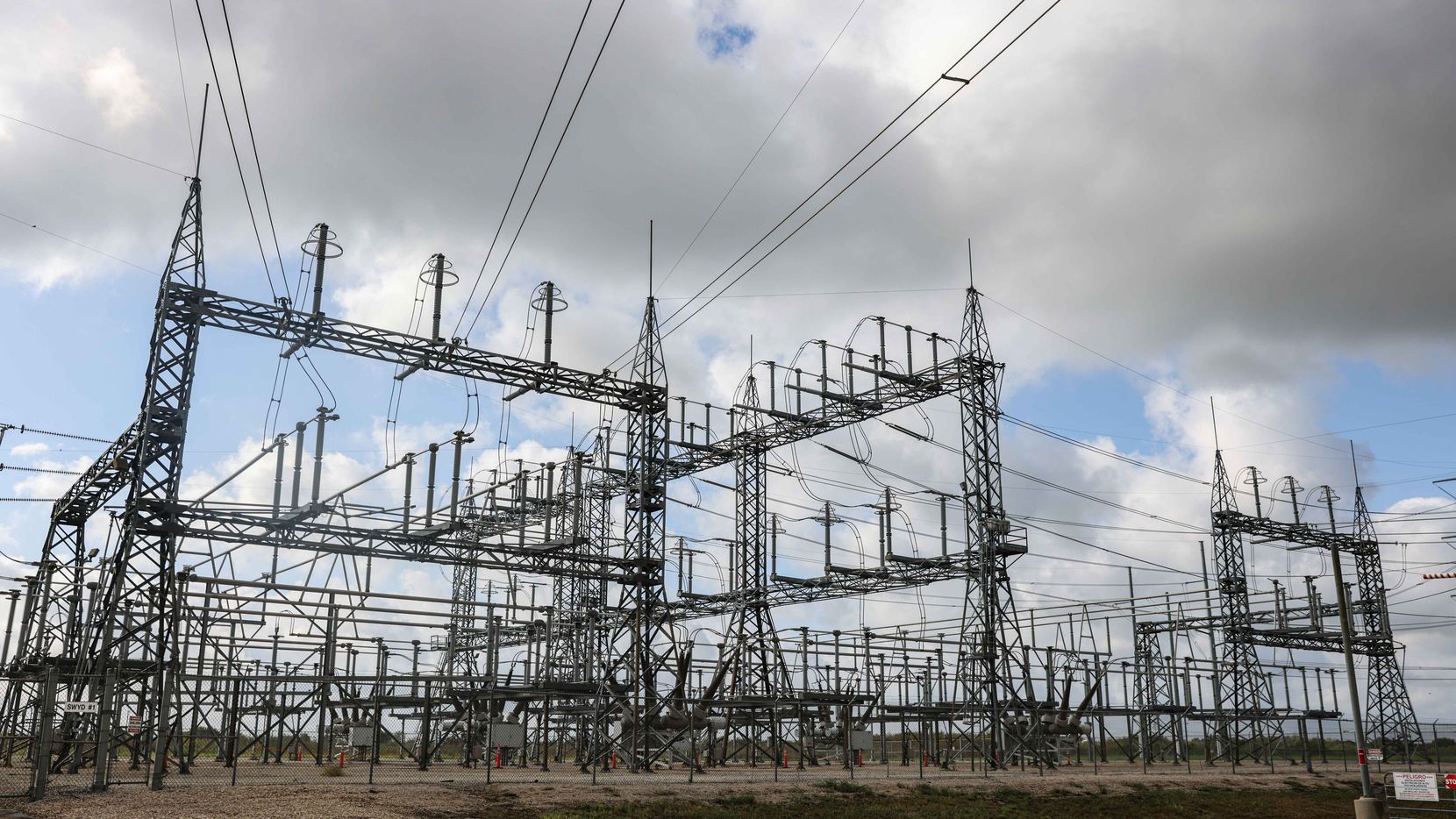
Lola Gomez/The Dallas Morning News
Federal regulators suspended a plan to secure new power for data center growth on the nation’s largest grid while they examine who should pay.
The Federal Energy Regulatory Commission (FERC) accepted most of PJM Interconnection’s one-time “backstop” procurement on Sept. 29 but suspended it until Feb. 28, 2027, and questioned how PJM planned to divide the costs among customers.
PJM — which runs the grid for about 67 million people in 13 states and Washington, D.C. — had planned to take offers from Sept. 30 through Oct. 21 for about 6.8 gigawatts of new capacity, Utility Dive reported.
“FERC’s September 29 order affirmed the substantial majority of PJM’s reliability backstop procurement proposal, finding 11 of its 15 key elements just and reasonable, while identifying several items that require additional work,” PJM said in a statement to the Daily Caller News Foundation.
PJM said it does not yet have revised dates for the procurement and still plans to hold its capacity auction for the 2029/2030 delivery year in December.
“It would be premature to quantify the allocation between existing customers and new large loads before that work is complete,” the grid operator added.
FERC Chairman Laura Swett said in a concurring statement that the commission “will not be forced into accepting a deeply flawed, eleventh-hour procurement mechanism with billion-dollar implications for consumers,” according to Utility Dive.
The Data Center Coalition did not immediately respond to the DCNF’s requests for comment.
FERC found that PJM had not shown its plan for dividing the costs was just and reasonable and offered an alternative that would assign them using updated forecasts of electricity demand, Utility Dive reported.
Maryland People’s Counsel David Lapp, whose office represents the state’s residential utility customers, said in a statement to the DCNF that “a five-month delay won’t be a major setback to a 15-year procurement.”
“We are hopeful for improvements on cost allocation based on the Commission finding that the proposed cost allocation methodology is not just and reasonable, but it is also possible that a final decision could also be worse for customers than PJM’s proposal,” Lapp added.
Lapp said his office is “disappointed that the Commission failed to require market power mitigation and approved a price cap for a 15-year procurement that is based on a one-year cost.”
Asked by the DCNF whether the five-month delay creates a reliability or price risk for PJM customers, Joseph Bowring, PJM’s independent market monitor, said, “No.”
Asked whether FERC’s cost allocation directions do enough to keep data center costs off the bills of existing residential customers, Bowring also said, “No,” and pointed to his office’s filings on PJM’s proposal.
Lapp’s office had estimated that the procurement could put up to $562 million on customers of two Maryland utilities, Baltimore Gas and Electric and Potomac Edison, Inside Climate News reported.
“Better information about where, when, and why load is growing also provides a stronger foundation for determining who should bear the costs associated with serving that growth,” FERC Commissioner Lindsay See said in a concurring statement, according to Utility Dive.
FERC also struck a provision that would have allowed some cooperatives and municipal utilities to stay out of the procurement, finding it unfair to other utilities serving data centers, Utility Dive reported.
Neither of PJM’s last two regular capacity auctions secured enough supply to meet the grid operator’s reserve requirements, according to the outlet.
All content created by the Daily Caller News Foundation, an independent and nonpartisan newswire service, is available without charge to any legitimate news publisher that can provide a large audience. All republished articles must include our logo, our reporter’s byline and their DCNF affiliation. For any questions about our guidelines or partnering with us, please contact [email protected].