

Energy
Door Opens For Californians To Tie Themselves Into The Grid More Than Ever Before
Grendelkhan/Wikimedia Commons
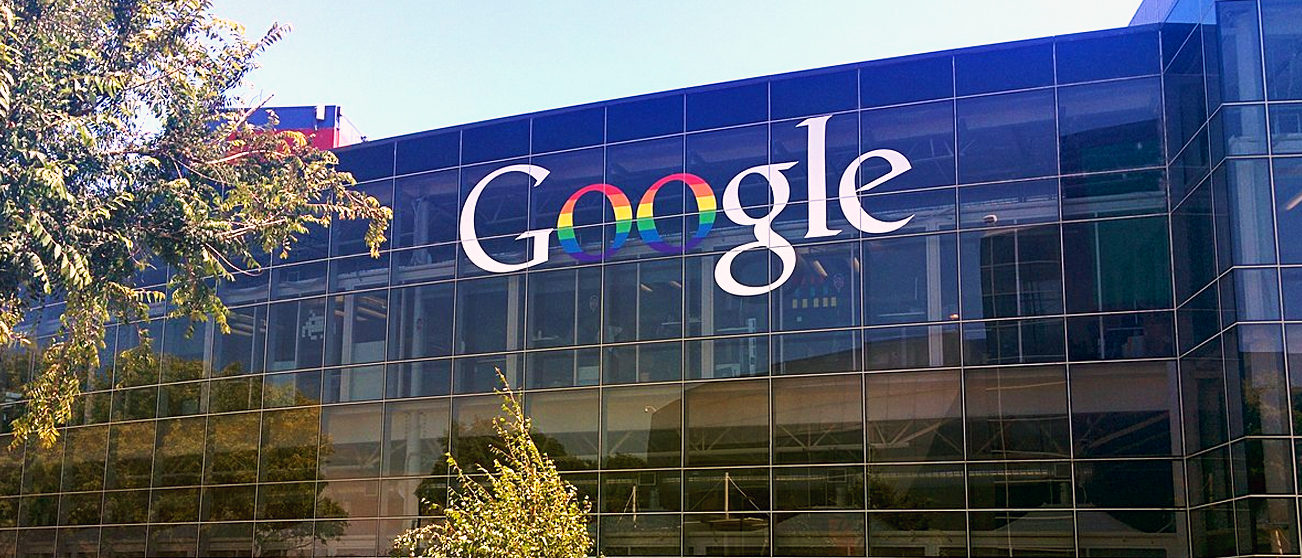
Google is opening the door for Californians to tie their homes into the electric grid more than ever before as power demand surges across the state.
The tech giant is paying to connect thousands of household batteries, thermostats and heat pumps across Pacific Gas & Electric’s (PG&E), allowing the utility to draw power from participating homes when the grid is strained, according to Rewiring America.
The voluntary experiment, known as SHARE, comes at a pivotal time for California’s electric grid. The state is trying to find room for power-hungry data centers while simultaneously pushing more cars, appliances and buildings onto its electrical grid.
Anti-fossil fuel nonprofit Rewiring America is helping spearhead the program. The nonprofit was a key player in the Power Forward Communities coalition, which received $2 billion in electrification and decarbonization grants under the Biden administration’s Greenhouse Gas Reduction Fund (GGRF).
Environmental Protection Agency (EPA) Administrator Lee Zeldin terminated $20 billion in GGRF grants on March 11, 2025, citing concerns about oversight, conflicts of interest and potential fraud. Power Forward Communities sued days later.
Obama-appointed Judge Tanya Chutkan partially ruled against the EPA that same month, and the case still is ongoing.
Rewiring America has folded Democratic heavyweight into its ranks, with two-time failed gubernatorial candidate Stacey Abrams joining the nonprofit as a senior counsel in 2023.
“Rewiring America will work directly with households to deploy and enroll energy-saving electric technologies into SHARE that can serve as flexible grid resources while improving the customer experience,” a press release announcing the program states. “They will also work closely with local installers to ensure projects meet high quality and performance standards.”
PG&E and Google stressed to Forbes that SHARE is not tied to any particular data center. But Rewiring America has pitched essentially the same idea as a way for technology companies to help create room on the grid for their growing data centers. Google is fully funding the program.
Google and Rewiring America didn’t immediately respond to a request for comment.
Tesla, Sunrun and Renew Home are working with the utility to enroll nearly 21,000 devices already sitting in customers’ homes, according to Rewiring America.
Those existing devices are expected to free up about 11 megawatts of electricity when needed, according to Forbes. Another roughly 500 households will receive free or discounted equipment, including home batteries and battery-enabled heat pumps, eventually adding about another megawatt.
California already has 277 operating data centers and another 54 planned, according to the Pew Research Center.
The strain is only expected to grow. Data centers currently account for about 2% of electricity use when demand on California’s main grid is at its highest, but that figure could reach 9% by 2040, according to the California Energy Commission.
California has already experienced the kind of grid strain the SHARE program is designed to alleviate. The state imposed rolling blackouts during an August 2020 heat wave after electricity supplies failed to keep pace with demand. The outages marked California’s first rotating blackouts in nearly two decades.
The state came close again in September 2022, when a prolonged heat wave pushed electricity demand to record levels and grid operators warned that rotating outages could be necessary. California asked residents to conserve electricity during peak hours, while Gov. Gavin Newsom warned that “the risk for outages is real.” The grid operator continued urging residents to turn thermostats to 78 degrees or higher and reduce electricity consumption as the heat wave continued.
California has also kept conventional generating capacity available as protection against shortages. Grid operators extended the operation of an Oakland power plant that burns jet fuel as a backstop during grid emergencies, while state officials later delayed the closure of several natural gas plants amid concerns about maintaining enough electricity supply.
California has previously asked residents to avoid using large appliances and charging electric vehicles during peak hours to ease strain on the grid.
The experiment will run through 2027. If thousands of batteries, thermostats and heat pumps can reliably behave like one much larger power source, the approach could give technology companies another way to make room for data centers without waiting for every new power plant or transmission line to be built.
Californians are already paying some of the highest electricity prices in the country. Residential customers paid more than 30 cents per kilowatt-hour on average during the first seven months of 2026, according to the U.S. Energy Information Administration.
Building more infrastructure is neither cheap nor quick. Major transmission projects can take a decade or longer to plan and build, according to the California Independent System Operator (CAISO), which has approved 38 projects expected to cost roughly $6.7 billion over the next decade.
Growing public backlash over data centers’ electricity demand, water use and potential impact on utility bills has reached Sacramento. Gov. Newsom signed seven data center bills in September, including measures requiring developers to disclose their expected electricity and water use and protecting other customers from some of the costs of connecting massive new facilities to the grid.
“With these laws, we are ensuring that Californians remain in the driver’s seat — and that those profiting from data centers aren’t doing so at our expense,” Newsom said in a press release announcing the bills.
All content created by the Daily Caller News Foundation, an independent and nonpartisan newswire service, is available without charge to any legitimate news publisher that can provide a large audience. All republished articles must include our logo, our reporter’s byline and their DCNF affiliation. For any questions about our guidelines or partnering with us, please contact [email protected].