

Commentary: Big Tent Ideas
Congress Needs To Stop China From Winning The Global Innovation Race
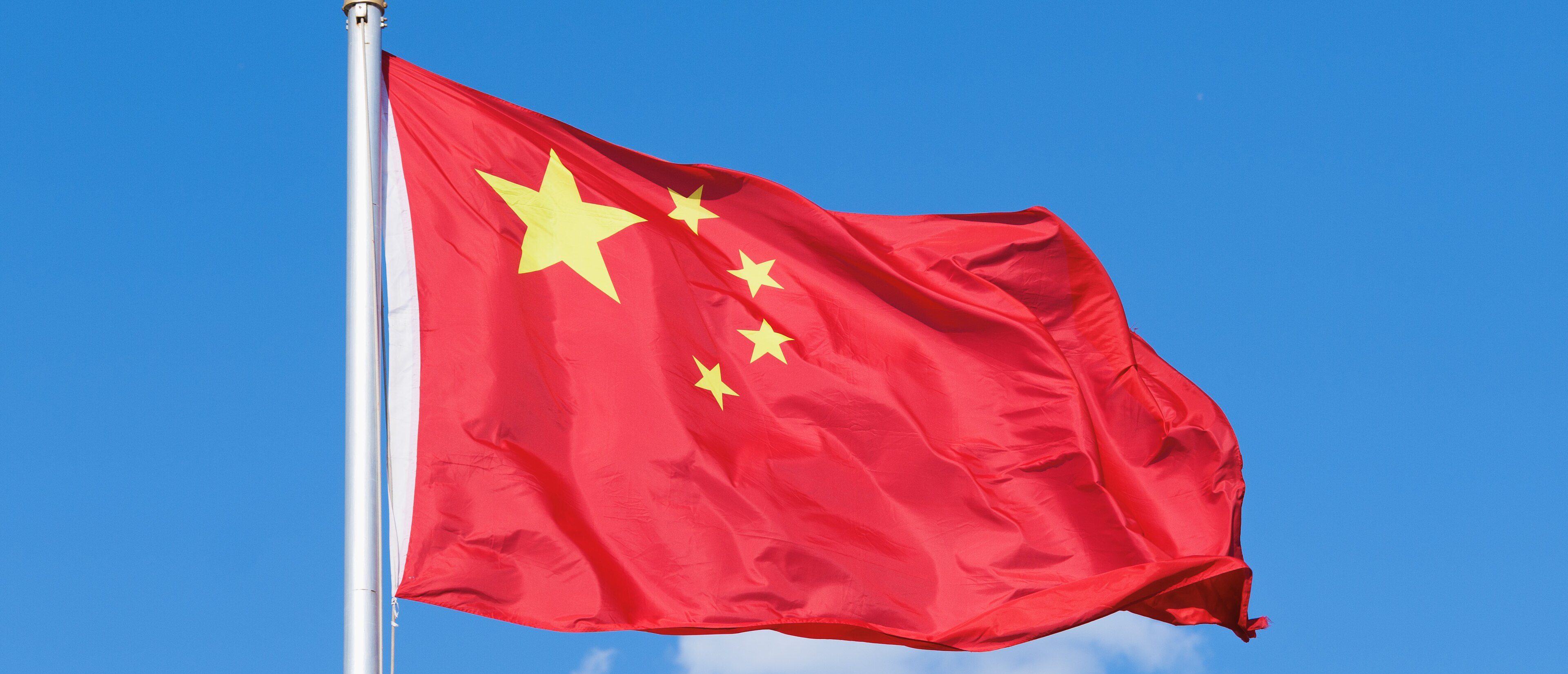
[Wikimedia Commons/Public/TurnOnTheNight, CC BY 1.0, <https://creativecommons.org/publicdomain/zero/1.0/deed.en>]
Hundreds of American innovations are waiting on Washington. Congress should clear the way instead of kicking the can again.
More than 440 new chemistries are currently waiting in the Environmental Protection Agency’s (EPA’s) review queue. Over 90% have missed their statutory deadline. More than 300 have been waiting more than a year for a decision.
Every day those innovations sit in regulatory limbo is another day America loses ground in the global race to out-innovate China.
That should concern anyone who cares about America’s economic future.
The next great wave of American manufacturing will not be powered by slogans. It will be powered by chemistry. The chip in your phone, the battery in your truck, and the materials that keep an AI data center from overheating all depend on American companies being able to develop and deploy new chemistries here at home. When Washington gets chemical policy wrong, it does more than slow down paperwork. It hands China another advantage.
That is why a little-noticed December deadline on Capitol Hill matters more than most people realize.
President Trump recently signed legislation to keep the government open through December 11. The funding package included a short-term extension of the TSCA fees program, which helps fund EPA’s review of chemicals. In plain English, Congress bought itself a few more weeks. It should not waste them.
Ten years ago, Congress rewrote America’s chief chemical management law, the Toxic Substances Control Act (TSCA), with overwhelming bipartisan support. The House vote was 403 to 12, and the Senate passed it by voice vote.
According to the Government Accountability Office (GAO), EPA has met its TSCA statutory deadline less than 10 percent of the time, over a five-year period.
Imagine running a plant in Ohio or Texas. Your team spends years and millions of dollars developing an innovative product. You submit the paperwork in January. The law says you should have an answer by spring. Instead, summer passes, Christmas comes and goes, and another year begins with no final decision and no clear timeline. Or even worse, your plant decides to move overseas because they can’t count on the U.S. regulatory system to get it done.
The damage is not theoretical. When innovation is pushed overseas, the jobs, investment, and supply chains tied to that innovation follow.
Take one example that should get the attention of everyone building America’s AI future. A new cooling fluid for high-density data centers, one that nearly eliminates water use and can cut cooling energy by up to 90 percent, is being qualified and deployed with partners overseas because of fears of regulatory delays.
Here is what is at stake. The business of chemistry generates $673 billion a year and supports nearly four million American jobs. Meanwhile, China has become the world’s largest producer of chemicals and plastics and now accounts for roughly half of all published chemistry patents worldwide. China is subsidizing its entire manufacturing economy through its dominance in chemistry. China is not waiting for Washington to get its act together.
President Trump understands the stakes. His America First agenda has helped unleash trillions of dollars in new manufacturing investment. EPA Administrator Lee Zeldin and Assistant Administrator Doug Troutman have begun to correct course to reduce the new chemical review backlog. Their efforts deserve recognition. Administrator Zeldin’s progress deserves to be locked in. Only Congress can make those improvements permanent.
The good news is that Congress does not have to start from scratch. Three proposals are already on the table: one in the House and two in the Senate. All three would help make new chemical reviews more timely, predictable and grounded in sound science and real-world use rather than worst-case guesswork. The House bill would also fast-track chemistries that strengthen critical supply chains and speed reviews of chemicals already cleared by America’s trusted allies. That is how America beats China: build here, faster.
And it’s not just the chemical industry making that case. More than 100 organizations representing America’s innovators and producers across the supply chain agree Congress must act now. This is not about weakening safety. It is about making safety decisions on time using sound science and real-world evidence. Delays do not make America safer. They simply move innovation and production elsewhere.
Some in Washington will say the safe play is another short extension: kick the can to spring, then to next fall. That is how we got here. A decade of patches and workarounds helped create today’s chemical backlog. Another patch will produce more of the same.
Congress needs to act prior to December 11. The committees have draft legislation. The administration is moving in the right direction. The coalition is built. Members of both parties recognize the backlog is real. The only thing missing is a vote.
Mr. President, you have told American manufacturers to build here, but America is in a global innovation race with one arm tied behind its back. Congress can untie it. By December 11, lawmakers should do more than fund TSCA. They should fix it.
Chris Jahn is president and CEO of the American Chemistry Council.
The views and opinions expressed in this commentary are those of the author and do not reflect the official position of the Daily Caller News Foundation.
All content created by the Daily Caller News Foundation, an independent and nonpartisan newswire service, is available without charge to any legitimate news publisher that can provide a large audience. All republished articles must include our logo, our reporter’s byline and their DCNF affiliation. For any questions about our guidelines or partnering with us, please contact [email protected].