

Healthcare
Book Review: ‘The Coming Food Crisis’ By John Klar
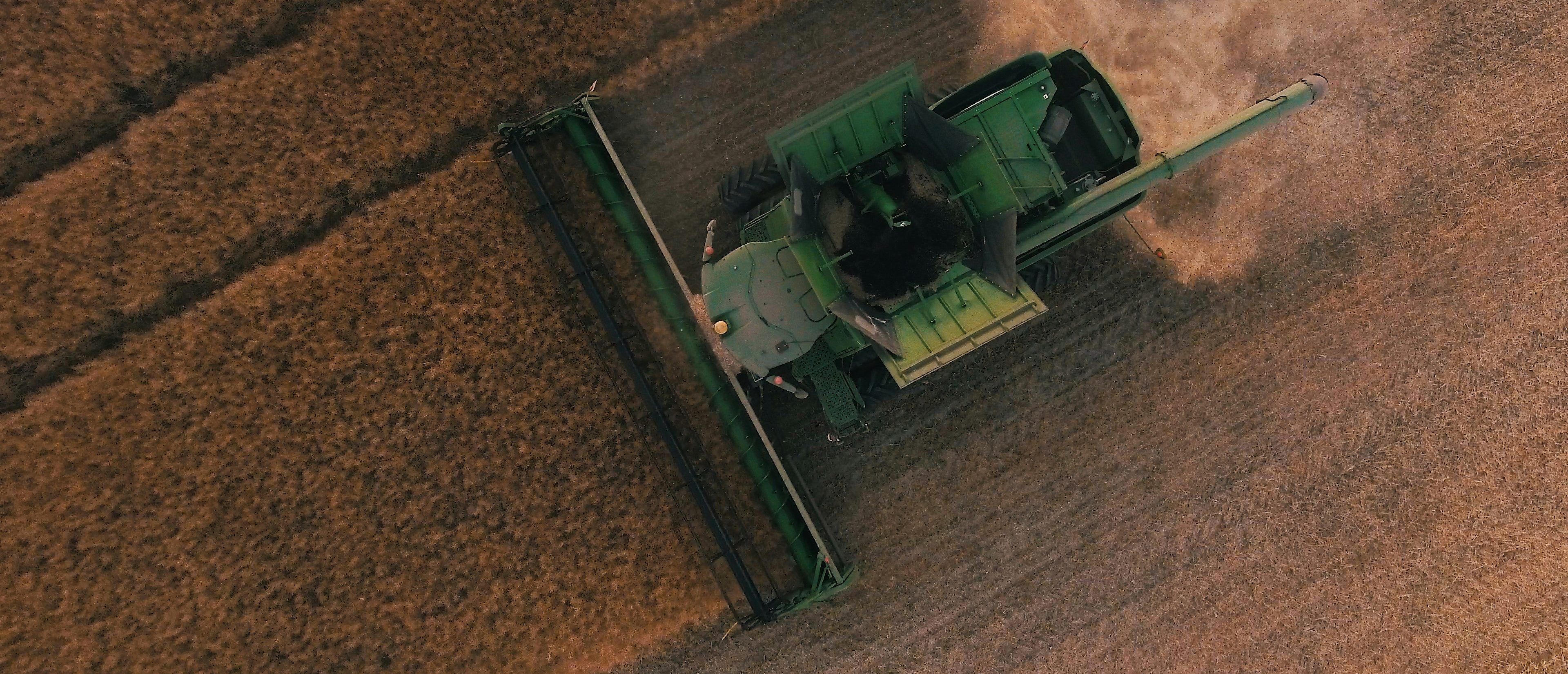
Photo by Scott Goodwill via upsplash
It’s time to wake up to the behind-the-scenes battle being waged on America’s food system. “The Coming Food Crisis: How Corporations, Activists, and Climate Alarmists are Waging a War on Farmers” by John Klar explores the growing threats to American agriculture and what they could mean for the future of our food.
This book is such a fantastic read for anyone who’s interested in where their food actually comes from and what goes into getting it from farm to table. More importantly, it is a wake up call for knowing what is happening with our agriculture across the country. Family farms are disappearing and farmland is becoming increasingly difficult to maintain.
Not to mention, farmers are dealing with rising costs and regulations as well as an agricultural system that increasingly favors large-scale operations. Throughout the book, Klar breaks down his concerns one by one. And there are a lot of them.
Klar’s first concern starts off with something most people probably don’t give too much thought to — soil. Klar explains that soil is a living ecosystem filled with microorganisms, and he explores the relationship between the soil microbiome and the human gut microbiome. Sounds pretty science-heavy, but he does a great job of breaking it down. The connection shows just how closely human health is tied to the health of the land producing our food. However, not surprising to most, the health of farming soil is rapidly declining. He gives a lot of concrete data to support his arguments.
In the book, Klar tells us that the Midwestern U.S. has lost 57.6 billion metric tons of topsoil in the past 160 years, equivalent to the loss of approximately two millimeters of soil annually. That is a lot of soil to lose. Klar examines the enormous loss of topsoil across the Midwest over the past century and a half as a result of intensive agricultural practices and large-scale plowing. Once topsoil is lost, rebuilding it can take generations. He makes a very compelling case that our food is losing a very large percentage of its nutritional value, and shows readers that something as simple as soil is actually an integral part of the food system we all depend on.
Klar also touches upon the fact that America’s farmers are getting older, and most of their knowledge is not something that can be taught in classrooms. Pretty soon, we will not have enough people to actually upkeep the farms. Generations of farmers have learned how to work the land, raise livestock, read the weather, manage crops through years of hands-on experience and so much more.
In the past, this knowledge was always passed down to their children and grandchildren. However, the newer generations are not taking up farming anymore and no longer have the desire to inherit their family’s farm, Klar writes. He explains that 20 million of Iowa’s 30 million acres of farmland is owned by people over age 65 — nearly 40 percent by people over 75. He proposes a question — Who will grow and make hay for livestock when this generation retires? I can confidently say that I don’t believe the majority of Americans are thinking about this. He really wants readers to wake up to what’s happening with this generation’s lack of farmers and understand that this is a problem that isn’t going away anytime soon.
Another concern Klar raises is America’s growing dependence on imported food. As food imports continue to grow faster than exports, more of the food Americans consume is being produced outside the country. To some, that may not seem like a problem when grocery store shelves are full, but it becomes a different story when something disrupts the global supply chain. He thoughtfully explains that a country that has gradually moved away from producing its own food can be much more vulnerable when those outside sources become unreliable.
These are just a few of the concerns John Klar explores in his book, but there is so much more to unpack, including animal rights extremists and climate change policies making it much harder for farmers to succeed. Even if you are not particularly interested in farming or agriculture, I cannot stress enough how important it is to understand what is happening to the way our food is produced. At the end of the day, this affects everyone and each person should be aware of what is going on nationwide.
The health of our soil, our farms, our food supply, technological advances, etc all directly impact what ends up on our plates. If we want food security, then we need more farmers. If we want independence, then we need a strong agricultural industry. Both of these are not happening and need to be taken so much more seriously. Every single person is so dependent on farmers and I really appreciated Klar bringing all of these concerns to the surface in a very easy way to comprehend. The people that produce our food need much more of our support and this information is crucial to spread.
Overall, a major takeaway from the book is that we should be making it easier — not harder — for Americans to farm. We should be protecting productive farmland and supporting family farmers while encouraging the next generation to stay in farming. We should not be moving toward a food system where Americans are increasingly dependent on centralized corporations or foreign countries. I strongly recommend that you pick up this book and learn about what is happening to the agricultural system we all depend on.
All content created by the Daily Caller News Foundation, an independent and nonpartisan newswire service, is available without charge to any legitimate news publisher that can provide a large audience. All republished articles must include our logo, our reporter’s byline and their DCNF affiliation. For any questions about our guidelines or partnering with us, please contact [email protected].