

Business
Canada Hits Back At Trump Tariffs As Trade War Threatens Key Midterm Battlegrounds
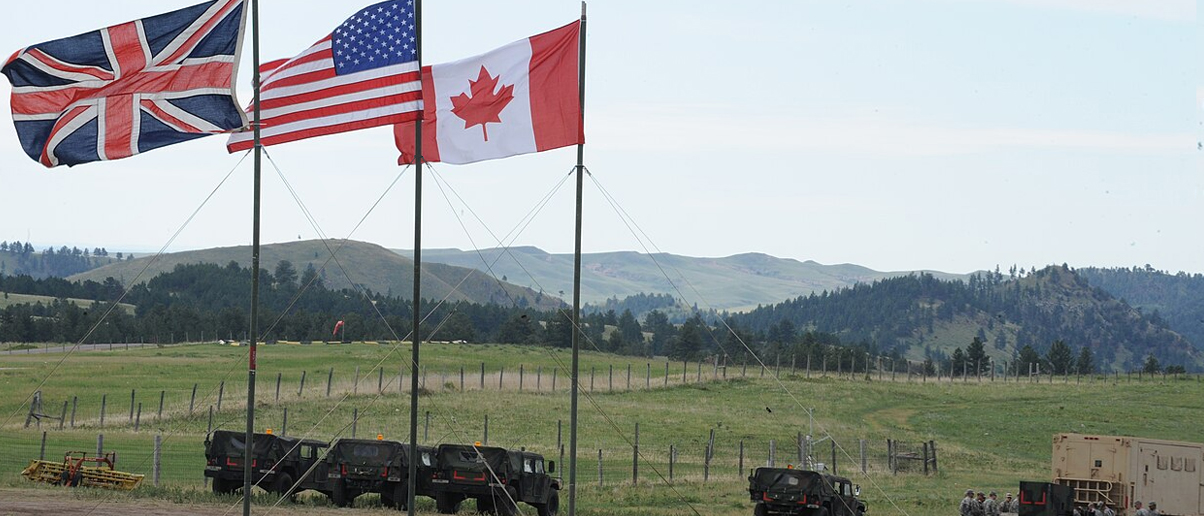
U.S. Army Photo
Canada slapped tariffs as high as 50% on about $20 billion of American goods Tuesday, escalating its trade fight with President Donald Trump and threatening exporters in states hosting critical midterm races.
Prime Minister Mark Carney’s government imposed tariffs ranging from 15% to 50% on C$27.6 billion, or about $20 billion, of U.S. goods after negotiations between Washington and Ottawa collapsed in August. The retaliation could hit Michigan and Ohio, where Canada is the largest foreign market for each state’s exports and competitive Senate races could help determine control of the upper chamber.
The tariffs took effect at 12:01 a.m. Tuesday and targeted products including steel, dairy, appliances, agricultural equipment, pulp and paper and electronics, according to the Canadian government. Canada imposed the duties in response to U.S. tariffs on C$27.6 billion worth of Canadian goods that took effect August 22.
The trade fight comes less than two months before the Nov. 3 midterm elections, with Michigan and Ohio among nine Senate races that Reuters identified as competitive. Democrats need to gain four Republican-held seats to take control of the Senate.
Democrat Abdul El-Sayed is facing Republican Mike Rogers for Michigan’s open Senate seat after Democratic Sen. Gary Peters decided not to seek reelection. Polls show a close race, and nonpartisan analysts rate the contest a toss-up, according to Reuters.
Canada purchased $23.2 billion in Michigan goods in 2025, accounting for 39% of the state’s goods exports. Transportation equipment accounted for $23.8 billion of Michigan’s goods exports worldwide, tying the state’s auto industry to the trade fight.
Trump’s Canada tariffs also became an issue in the Michigan Senate campaign. El-Sayed attacked Rogers over his support for the president’s approach, while Rogers told the DCNF that he supports Trump’s use of tariffs but does not view them as a solution for every trade dispute.
“President Trump is right to put America First — and tariffs are necessary, but are not a one-size-fits-all solution,” Rogers told the DCNF.
“Michigan deserves a Senator who will work with President Trump to broker a trade deal with Canada that supports our farmers and gets the best deal for Michigan autoworkers and manufacturers,” Rogers added.
Republican Sen. Jon Husted is facing former Democratic Sen. Sherrod Brown in Ohio, where Brown is attempting to return to the Senate after losing his seat in 2024. Recent polls showed Brown leading Husted by three to four percentage points, while nonpartisan analysts rated the race a toss-up.
Canada purchased $18.3 billion in Ohio goods in 2025, accounting for 32% of the state’s goods exports. Transportation equipment accounted for $18.8 billion of Ohio’s exports worldwide.
The economic consequences extend beyond Michigan and Ohio. Canada’s new tariffs cover about 6% of all U.S. exports to the country, according to the Associated Press.
The Trump administration has argued that its tariffs are necessary to counter Canadian trade practices that disadvantage American companies. The White House said in July that Canada subjected American automobiles, alcohol and dairy products to discriminatory treatment.
Carney’s government said its counter-tariffs were designed to match the U.S. duties “dollar for dollar” while protecting Canadian industries affected by American tariffs.
“Canada’s retaliatory tariffs are meant to make the cost of this trade war real enough for American businesses and consumers that Washington sees a clear incentive to return to the table,” Brian Clow, a former senior Canadian adviser on trade and U.S. relations, told Bloomberg.
The Trump administration warned Canada against retaliation. U.S. Trade Representative Jamieson Greer signaled that Washington could respond with additional tariffs or bans on some Canadian imports, according to Bloomberg.
Trump also said after negotiations collapsed that he would raise tariffs on Canadian automobiles to 50% from 25% and impose a 50% tariff on auto parts beginning Jan. 1, though the administration had not formally implemented the increases.
Carney said his government remained willing to reach an agreement with Washington if the terms allowed Canada’s automotive, steel and aluminum industries to remain competitive.
“We’re ready to sit down and strike that deal when the Americans are ready,” Carney said.
All content created by the Daily Caller News Foundation, an independent and nonpartisan newswire service, is available without charge to any legitimate news publisher that can provide a large audience. All republished articles must include our logo, our reporter’s byline and their DCNF affiliation. For any questions about our guidelines or partnering with us, please contact [email protected].