

Commentary: Big Tent Ideas
Why Are So Many Americans Losing Faith In America?
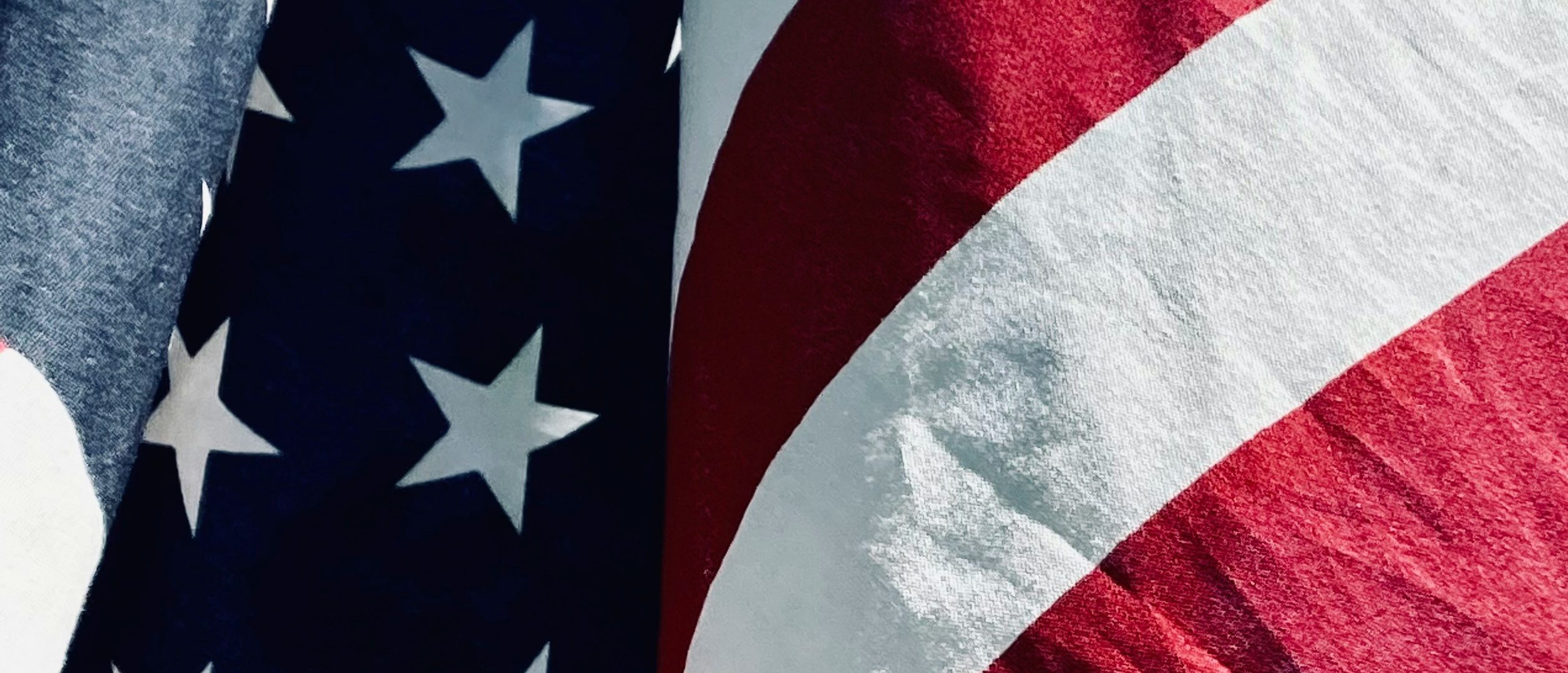
sydney Rae/unsplash
For most of my adult life, I have made it a point to stay informed. I read broadly, follow political developments from across the ideological spectrum, and try to understand — not simply react to — the issues shaping our nation. While Americans have always disagreed over politics, I have recently noticed something far more troubling than partisan division.
An increasing number of people no longer seem merely frustrated with government. Instead, they appear to be losing faith in America itself.
Conversations that once centered on improving the country are increasingly replaced by resignation, cynicism, and, in some cases, a desire to leave altogether. I personally know people who have permanently relocated abroad and have no intention of returning. Their reasons differ, but their conclusion is remarkably similar: they no longer believe the United States represents the opportunity, stability and promise it once did.
Every nation experience political conflict, economic uncertainty and public dissatisfaction. America is hardly unique in that regard.
Yet for generations it occupied a singular place in the world’s imagination — a nation where immigrants pursued impossible dreams, entrepreneurs built fortunes from humble beginnings and families believed that hard work could produce a better future. So, what changed? The answer is almost certainly more complicated than any election, political party, or presidential administration.
One factor is the collapse of trust in our institutions. Confidence in Congress, the media, higher education, the courts, major corporations and even organized religion has steadily eroded. Regardless of where one falls politically, many Americans increasingly question whether the institutions once viewed as impartial guardians of democracy are serving the public or themselves.
Economic pressures have also altered the national mood. Housing costs, inflation, healthcare expenses, student debt and childcare have left many young adults wondering whether they will ever achieve the standard of living enjoyed by their parents. Even families with good jobs often feel financially vulnerable. When economic anxiety becomes chronic, optimism naturally fades.
Modern media has amplified these concerns. The twenty-four-hour news cycle and social media platforms compete for attention by emphasizing outrage, conflict and crisis. Americans now consume an endless stream of breaking news, political arguments and alarming predictions. While many stories deserve serious attention, the cumulative effect can create the impression that society is perpetually on the brink of collapse.
Political tribalism has compounded the problem. Increasingly, disagreement is interpreted as evidence of bad character rather than differing judgment. Friendships, workplaces, and even families have been strained by ideological divisions, making compromise appear less like a democratic virtue and more like a personal betrayal.
The result is a growing sense of political apathy. Many citizens question whether their vote matters, whether elected officials genuinely represent them, or whether meaningful change is still possible. Democracy depends upon participation, but participation becomes difficult when hope gives way to resignation.
Yet history offers perspective. America has endured civil war, economic depression, world wars, political assassinations, social unrest and constitutional crises. Each generation has faced moments when the nation’s future appeared uncertain. The American story has never been one of perfection; it has been one of resilience and renewal.
Perhaps the more important question is not whether America has changed, but whether our confidence in one another has changed. A nation can survive disagreement, economic hardship and flawed leadership. What is far more difficult to overcome is a widespread belief that tomorrow cannot be better than today.
If restoring confidence is the challenge of our generation, the answer will not come from Washington alone. It will come from citizens willing to engage honestly, reject reflexive cynicism, hold institutions accountable and rediscover the civic virtues that made the American experiment exceptional. America’s greatest strength has never been the absence of problems. It has always been its enduring capacity to confront them — and emerge stronger.
Deborah A. Wilson is a Georgetown University Law Center graduate, a practicing Northern Virginia attorney, and author of the speculative novel The Seam: Secrets Beneath the North Pole.
The views and opinions expressed in this commentary are those of the author and do not reflect the official position of the Daily Caller News Foundation.
All content created by the Daily Caller News Foundation, an independent and nonpartisan newswire service, is available without charge to any legitimate news publisher that can provide a large audience. All republished articles must include our logo, our reporter’s byline and their DCNF affiliation. For any questions about our guidelines or partnering with us, please contact [email protected].