

Healthcare
What Is Causing US Prescription Drug Costs To Plummet?
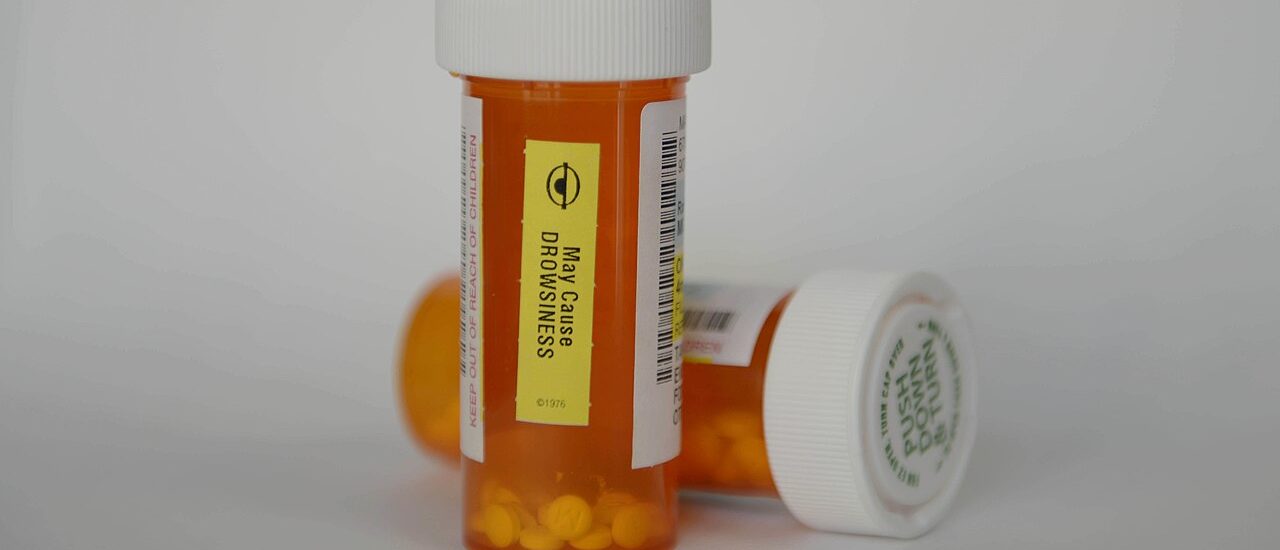
Airman Valerie Monroy, Public domain, via Wikimedia Commons
Prescription drug prices in the U.S. recently recorded their largest annual decline in several decades, which experts have attributed to a variety of factors.
The nation’s prescription drug prices plummeted 0.8% in July and are down 3.1% from one year ago, notably marking the sharpest year-over-year drop in over 60 years, according to the Bureau of Labor Statistics’ latest Consumer Price Index report. While the White House has touted this drug price decline as evidence that President Donald Trump is “delivering real relief to American families and putting patients first,” some analysts told the Daily Caller News Foundation that the full picture is more complex.
“As with most industries, a range of factors impact drug prices,” Institute for Legislative Analysis President Fred McGrath told the DCNF. “Arguably, the largest driver is generic competition. Over the last year, several brand drugs representing tens of billions in annual revenue have seen significant price drops from biosimilar competition.”
“From a policy perspective, the Pharmacy Benefit Manager (PBM) reform package President Trump signed earlier this year has likely had the biggest impact,” he added. “Anti-competitive regulations within the Affordable Care Act allowed a handful of PBM middlemen to generate lucrative profits by gaming the system. Those reforms, along with TrumpRx allowing consumers to bypass PBMs and buy [directly], are helping lower costs.”
However, Americans are unlikely to see medication costs continue to plunge this year, according to McGrath.
“Large decreases or increases are unlikely this year,” he explained. “While some credit Most Favored Nation (MFN) price controls for the recent drop, MFN drugs make up less than 10% of the 841 medications listed on TrumpRx. If MFN expands, longer-term costs are likely to rise as price controls cause shortages and limit new drugs that drive competition.”
In early February, Trump signed the “Consolidated Appropriations Act” into law, which included some PBM reform provisions. Republican Louisiana Sen. Bill Cassidy said in a Feb. 4 statement following the bill being signed that PBM programs “should be about lowering the cost for patients, not about increasing profit for shareholders.”
The White House did not respond to the DCNF’s request for comment.
“Spotlight on PBMs and proposed PBM reforms has led to a reduction in business as normal in the [prescription drug] supply chain,” Director of Health Policy at the University of Southern California Schaeffer Center for Health Policy and Economics Geoffrey Joyce explained to the DCNF, adding that “increased transparency into the inefficiencies of the Rx drug market” is another potential driver of prescription drug costs decreasing last month.
Trump issued a May 2025 executive order aiming to ensure Americans can access “the most-favored-nation price” for prescription drugs. Additionally, the Trump administration announced in May 2026 that it is expanding its direct-to-consumer TrumpRx platform to add over 600 generic medications.
Heightened competition in the prescription drug market can result in lower prices, according to Brownstone Institute President Jeffrey Tucker.
“In my own view, this is due to growing competition in the retail sector, partly due to TrumpRX but there are many other entries to this as well,” Tucker said. “It’s increased price competition as new distribution methods replace more cartelized systems of the past.”
Still, 16 prescription drug companies that reached agreements with the administration in recent months still increased some of their prices for this year, NPR reported in January.
House Speaker Mike Johnson wrote in an Aug. 16 X post that “prescription drug prices are now at their LOWEST LEVELS in more than 60 years — because of @POTUS and Republicans working to bring down costs for all Americans.”
Still, unaffordable health costs have emerged as a prominent issue for Americans ahead of November’s midterms. A KFF analysis released in March found that six in 10 U.S. adults feel concerned about being able to afford their medications.
In 2024, Americans spent an average of $14.57 out-of-pocket per prescription, according to estimates from GoodRx.
All content created by the Daily Caller News Foundation, an independent and nonpartisan newswire service, is available without charge to any legitimate news publisher that can provide a large audience. All republished articles must include our logo, our reporter’s byline and their DCNF affiliation. For any questions about our guidelines or partnering with us, please contact [email protected].