

Commentary: Big Tent Ideas
Big Pesticide Won At The Supreme Court. It Still Does Not Speak For Farmers.
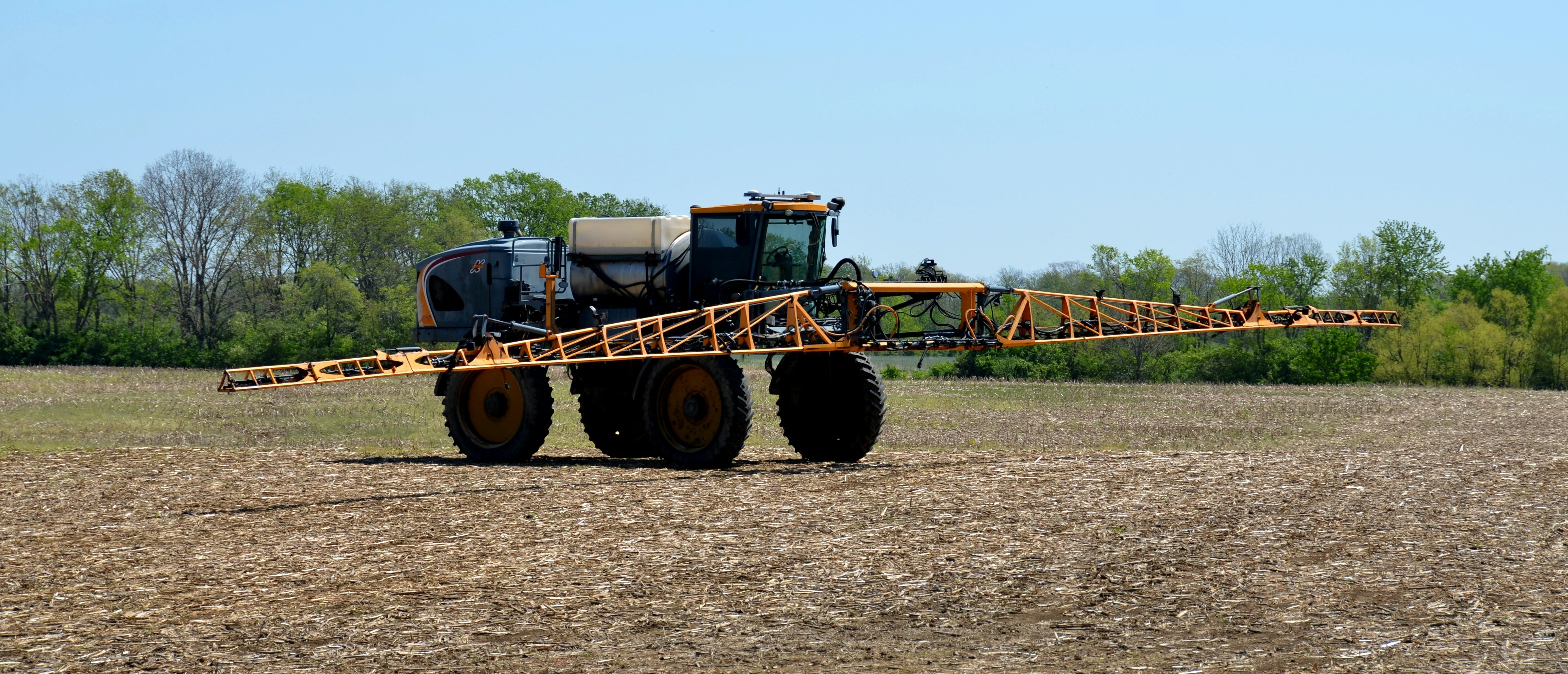
Roger Starnes/Unsplash
The Supreme Court’s decision this week in Monsanto v. Durnell was a victory for Bayer, not for America’s farmers.
For years, Bayer has convinced policymakers that protecting Bayer is the same thing as protecting farmers. That argument helped carry the day before the Supreme Court. It has also shaped debates in Congress, state legislatures and even the White House. But Bayer does not speak for farmers.
The ruling gives greater force to federal pesticide labels approved by the Environmental Protection Agency and makes it harder for people to bring state failure-to-warn lawsuits when they believe a company failed to provide adequate health warnings. For farmers, farmworkers, groundskeepers, rural families and others exposed to pesticides, that means one important avenue for accountability just narrowed.
Throughout this case, Bayer argued that allowing people to bring state failure-to-warn lawsuits would threaten farmers’ access to crop protection tools. The Trump administration agreed, filing a brief urging the Court to side with Bayer.
Many farmers saw it differently. Farm Action joined other farm organizations in telling the Court that farmers do not depend on Bayer’s legal immunity to grow food. Farmers have access to generic glyphosate products, other herbicides and a range of weed-management tools. Bayer’s legal strategy was aimed at reducing the company’s liability, even as it argued the case was about protecting farmers’ access to crop protection tools.
Too often, Washington accepts Bayer’s framing without asking whether farmers actually agree. The result is a food system where the interests of one multinational corporation are repeatedly treated as though they are the interests of rural America.
Farmers want fair markets. They want real choices instead of dependence on a handful of dominant corporations. They want honest science they can trust when making decisions for their families and businesses. And when companies fail to provide adequate warnings about product risks, farmers deserve the same opportunity as everyone else to seek justice.
Instead, Bayer has spent years arguing that accountability itself is the problem.
The company warned that it might stop selling Roundup in the United States unless it received greater legal protection. It argued that lawsuits threatened American agriculture. At the same time, it sought broader immunity through the courts and supported legislative efforts that would further limit accountability.
Those threats were designed to pressure policymakers into believing Bayer’s legal interests were the same as farmers’ interests.
That is what makes the government’s role so troubling. The administration could have stood with farmers, farmworkers and rural families who want honest warnings and a fair shot in court. Instead, it backed Bayer’s argument that federal approval should block many state-law claims, giving the company another layer of legal protection.
I raise sheep on my family’s sixth-generation farm in Ohio. I was diagnosed with stage 3 cancer at 36. I cannot tell you what caused my cancer. But I know what farmers, farmworkers and rural families live around every day. When legitimate questions arise about whether companies adequately warned people about potential risks, those questions deserve to be heard.
Accountability should not depend on the size of a company’s lobbying operation.
The Supreme Court has now narrowed one of the main legal paths people have used to challenge inadequate pesticide warnings. Congress now has a choice, especially as lawmakers debate the farm bill.
They can let this ruling become another layer of protection for pesticide companies, or they can restore the right of farmers, farmworkers and the public to hold those companies accountable when warnings fall short.
The biggest lesson from this case goes beyond Bayer’s victory at the Supreme Court. One of the world’s largest agricultural corporations has become remarkably successful at convincing policymakers that speaking for Bayer is the same as speaking for America’s farmers.
Farmers deserve leaders willing to make that distinction. They deserve more choices, more competition, more transparency and meaningful accountability when powerful corporations cause harm.
Bayer won its case. It should not win the broader debate over who speaks for American agriculture.
Angela Huffman is co-founder and president of Farm Action, a nonpartisan, farmer-led watchdog holding corporations and government accountable in food and agriculture. She raises registered Katahdin sheep on her family’s 200-year-old farm in Northwest Ohio.
The views and opinions expressed in this commentary are those of the author and do not reflect the official position of the Daily Caller News Foundation.
All content created by the Daily Caller News Foundation, an independent and nonpartisan newswire service, is available without charge to any legitimate news publisher that can provide a large audience. All republished articles must include our logo, our reporter’s byline and their DCNF affiliation. For any questions about our guidelines or partnering with us, please contact [email protected].