

Commentary: Big Tent Ideas
Energy Giants Warn Another Oil Price Spike Coming Soon
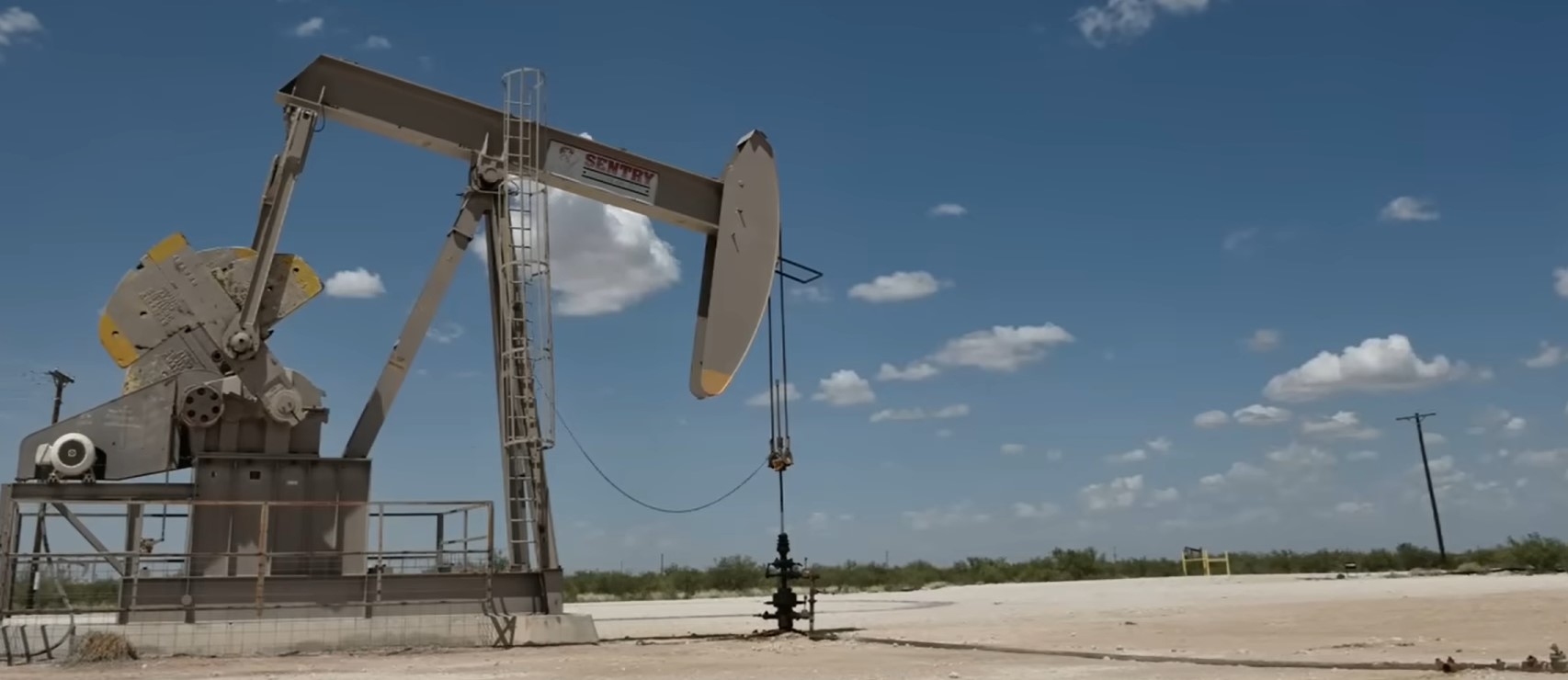
A crude oil pump. (Screen Capture/PBS NewsHour)
Leading executives at ExxonMobil and Chevron sounded an alarm during a recent Bernstein conference: Global oil inventories are plunging to dangerously low levels, setting the stage for a potential price explosion that could reshape economies and expose the fragility of our energy system.
“We’re approaching unheard of inventory levels. I mean really, really low levels.” Exxon Mobil Senior Vice President Neil Chapman issued told the conference audience, adding that he expects inventories to reach a critical low point in just “two to three weeks. Once you get to that point, then you’ll see price shoot up.” Chapman’s models project Brent crude spiking to $150–$160 per barrel once the operational floor is reached, with demand destruction eventually restoring balance as prices for fuel rise to unaffordable levels for many.
Chevron CEO Mike Wirth echoed this concern at the same conference, noting that the market’s buffers have been steadily eroded. “The buffers and the shock absorbers are being steadily drawn down, and the ability for the market to absorb this imbalance is drastically diminished today versus where we started,” Wirth stated.
The warnings from the two largest U.S. majors highlight a critical disconnect: While paper markets continue to cling to diplomatic optimism, the physical market is running on fumes. It’s an inevitable outcome which I warned about way back in March, as it became evident this conflict would linger on far longer than President Trump’s initial “2 to 4 weeks” projection.
The root cause is the ongoing closure of the Strait of Hormuz, now running into its 4th month despite all the noise about a “peace deal” being imminent. The effective blockade of this crucial chokepoint has removed 12–13 million barrels per day from markets—the largest supply disruption in history, according to the International Energy Agency. Strategic reserve releases and pre-war stockpiles have cushioned the blow so far, but those mitigations are exhausted. Goldman Sachs data shows global inventories plunged by a record 8.7 million barrels per day in May alone.
This inventory collapse has been masked by several factors. Sanctioned oil from Iran, Russia, and Venezuela has continued flowing through alternative channels. Futures traders have repeatedly bought into rumors of imminent diplomatic breakthroughs. Saying “It can’t last forever,” Chapman believes the physical market is about to assert dominance over financial expectations.
The implications extend far beyond higher pump prices. A sustained spike to $150+ oil would hammer consumers, businesses, and entire economies. Transportation costs would surge, feeding into inflation for all manner of goods and services. Energy-intensive industries like manufacturing, agriculture, chemicals would face margin pressure or outright curtailment. For the United States, which has enjoyed relative energy abundance in recent years, the shock would serve as a painful reminder of global interdependence.
Wirth rightly pointed to longer-term lessons. The crisis underscores the need for nations to maintain robust “insurance policies” in the form of oil reserves. Policymakers will have to grapple with how quickly to refill strategic stocks once the immediate disruption eases. Infrastructure damage in the Middle East from prolonged conflict will require tens of billions in repairs, further constraining future supply and adding upward price pressure. If the situation drags on, it could tip vulnerable economies into recession, potentially offsetting some demand but at enormous human and financial cost.
Markets are resilient, and human ingenuity should never be underestimated. But ignoring physical fundamentals in favor of hopeful narratives is a dangerous game. As inventories hit “really, really low levels,” the price mechanism will eventually force adjustment, which past history shows is more likely to arrive via a painful spike rather than a gradual rise.
And here’s the big problem: Even if a peace deal with Iran materializes in the coming days, full restoration of flows could take months to achieve. In the meantime, executives like Wirth and Chapman are doing the industry and policymakers a service by speaking candidly about the data before them.
Energy security is not optional. It is the foundation upon which modern economies rest. The current trajectory warns that we have been rolling the dice for months without bearing the real price for doing so. Chevron and Exxon’s warning is that the bill is about to come due, likely measured in triple-digit oil prices and widespread economic strain.
David Blackmon is an energy writer and consultant based in Texas. He spent 40 years in the oil and gas business, where he specialized in public policy and communications.
The views and opinions expressed in this commentary are those of the author and do not reflect the official position of the Daily Caller News Foundation.
All content created by the Daily Caller News Foundation, an independent and nonpartisan newswire service, is available without charge to any legitimate news publisher that can provide a large audience. All republished articles must include our logo, our reporter’s byline and their DCNF affiliation. For any questions about our guidelines or partnering with us, please contact [email protected].