

Commentary: Big Tent Ideas
Uncle Sam Puts Price Tag On Foreign Trade Rip-Offs For First Time Ever
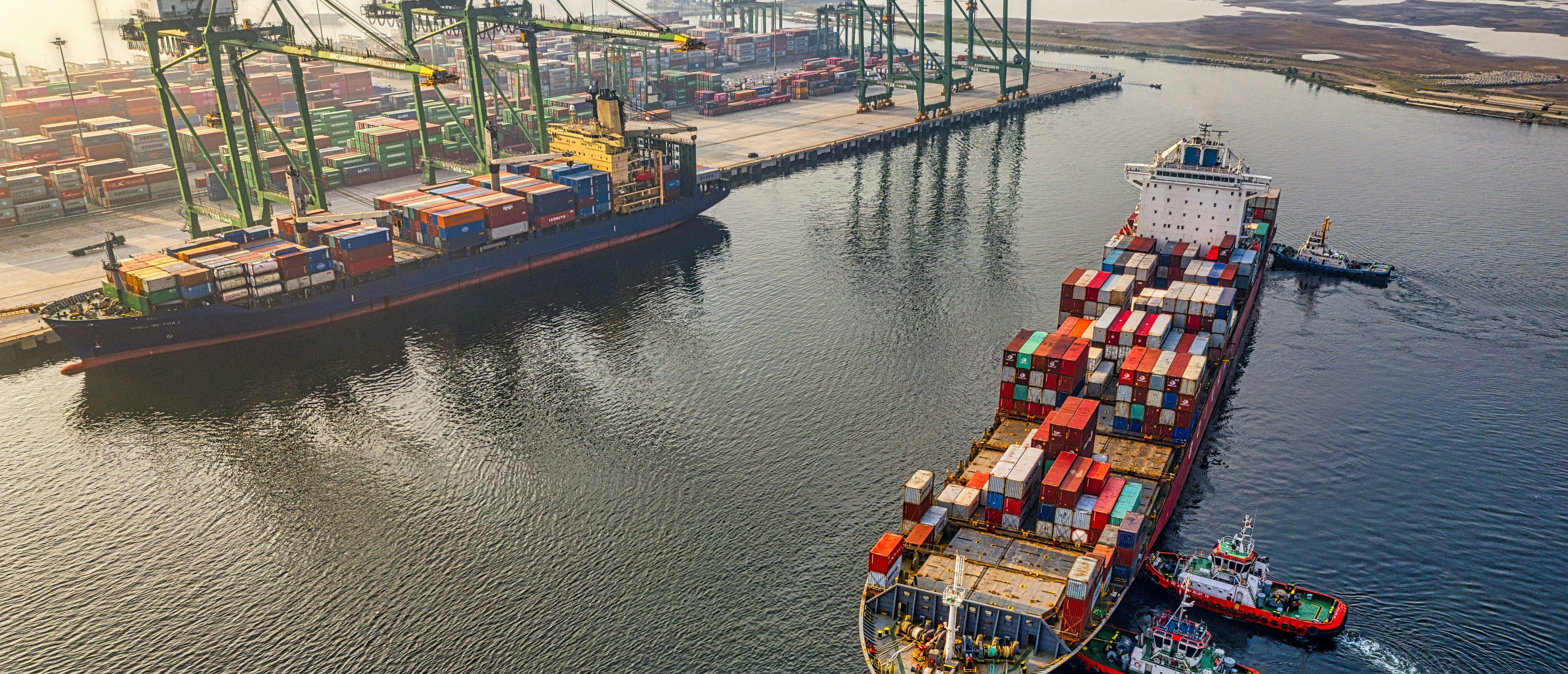
Unsplash/william william
You probably didn’t hear much about a trade meeting that wrapped up in Cameroon last month. That’s understandable. What happened there, or more precisely what didn’t happen, affects your paycheck, your job and the prices you pay for almost everything.
The short version: the World Trade Organization (WTO), the body supposedly responsible for keeping global trade fair, failed again. Members couldn’t agree on even modest reforms. It was the latest in a long line of similar failures, and it matters because the current system has been allowing foreign governments to quietly cheat for decades — and American workers have been paying the price.
Here’s how the cheating works. It’s not just tariffs. Those are the taxes countries charge on imported goods. The bigger problem is what happens behind closed doors.
Foreign governments, China foremost among them, have spent years designing their economies to crush outside competition. They subsidize their own industries so heavily that American manufacturers literally cannot compete on price. They flood global markets with artificially cheap steel, solar panels, electronics and other goods, wiping out American factories and the jobs that go with them.
They use their own regulations as weapons, making it nearly impossible for U.S. companies to operate in their markets while their companies operate freely in ours.
The result? Plant closures in Ohio. Layoffs in Michigan. Higher prices at Walmart when the artificially cheap imports dry up and there’s no domestic industry left to fill the gap.
Say what you want about President Donald Trump’s trade agenda. It has actually tried to confront this problem directly. Even after the Supreme Court struck down his IEEPA tariff authority earlier this year, his administration pressed forward. And a document released last month shows that effort is starting to mean something real.
That document is the 2026 National Trade Estimate, published by the U.S. Trade Representative’s office. Think of it as an annual accounting of how other countries treat American goods and services. This year’s version, at over 550 pages, is the most ambitious yet. For the first time, it tries to put a dollar figure on the damage each of these practices causes to American workers and businesses.
Trade and competition scholars have spent decades trying to get policymakers to take these practices seriously. My colleagues and I have spent over 30 years developing a framework for understanding them, what we call Anti-Competitive Market Distortions. The core argument has always been that government-engineered economic cheating does more damage to American workers than conventional tariffs ever could. The 2026 report is the closest any administration has come to making that case official U.S. policy.
None of this fixes anything overnight. For real change to stick, countries that have been gaming the system will need to genuinely reform from within — reining in state-backed monopolies and letting their markets actually compete. That’s a tall order.
But until those reforms happen, American workers are competing on a tilted field, and the wages and job security of millions of people reflect that tilt every single day.
The uncomfortable truth is that the WTO was never equipped to police this kind of cheating, and last month’s meeting in Cameroon proved it can’t get there now. That leaves the U.S. pursuing deals country by country, which is slow and unglamorous. But it’s the only realistic path to a level playing field.
For decades, the practices documented in this report were treated as too complicated or too politically sensitive to confront. That’s changed. The framework now exists to name these practices, quantify their cost, and hold countries accountable for them.
That’s what’s actually at stake in a trade fight most Americans tune out. Not abstract policy. Not diplomatic protocol. Jobs, prices, and whether the economy works for ordinary people or just for the governments and corporations clever enough to rig it.
Shanker A. Singham is the CEO of Competere and a former trade advisor to both the UK Trade Secretary and the U.S. Trade Representative.
The views and opinions expressed in this commentary are those of the author and do not reflect the official position of the Daily Caller News Foundation.
All content created by the Daily Caller News Foundation, an independent and nonpartisan newswire service, is available without charge to any legitimate news publisher that can provide a large audience. All republished articles must include our logo, our reporter’s byline and their DCNF affiliation. For any questions about our guidelines or partnering with us, please contact [email protected].