

Energy
Greenies Rage Against Energy Charges They Helped Unleash
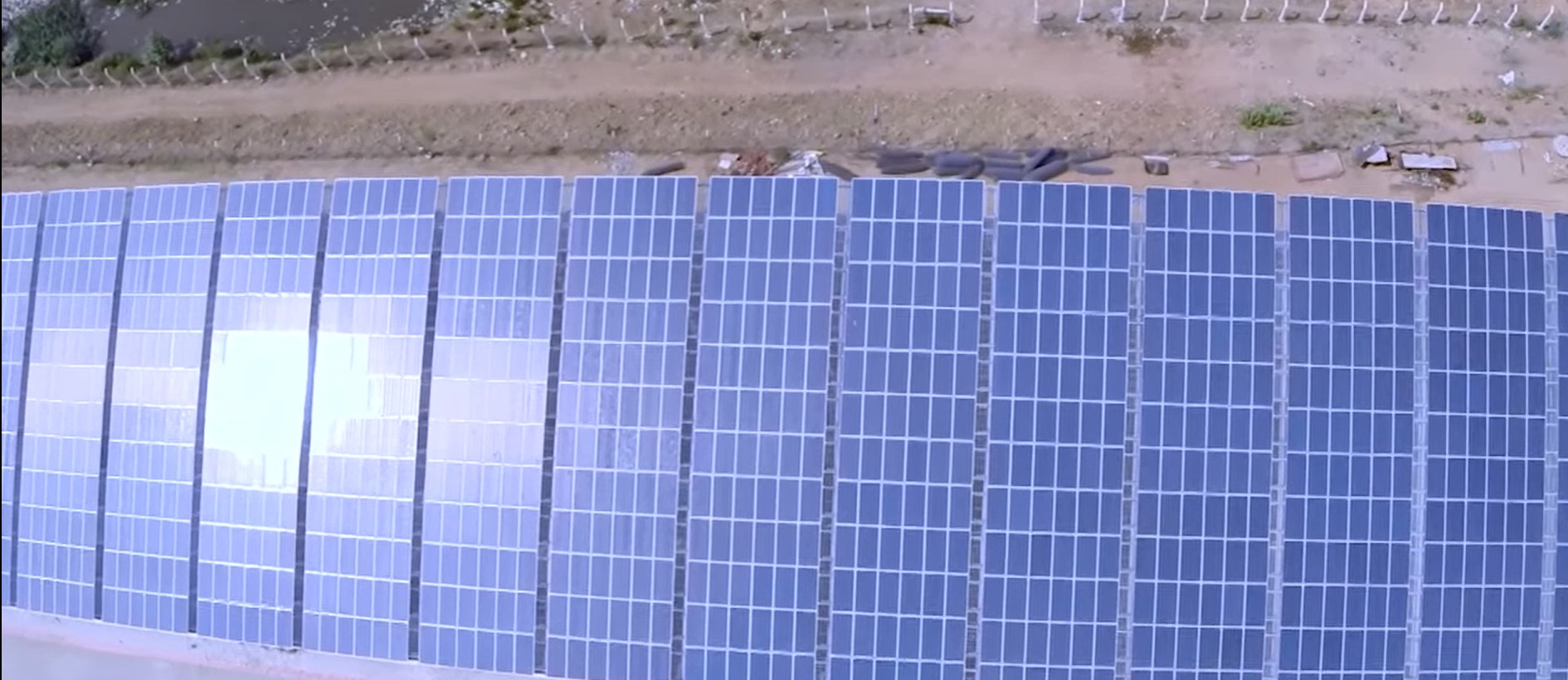
Solar panels in India. (Screen Capture/United Nations)
Environmentalists and supporters of a rapid green energy transition are sounding the alarm over a potential jump in Nevada utility costs that their policies helped prime the state for.
NV Energy, a major Nevada utility, plans to impose a demand charge in April 2026 that some solar groups say could raise utility costs by an estimated $20, according to multiple reports. Nevada has committed to achieving zero-emission energy by 2050 and has phased out its coal plants — costly measures that the same environmental and solar groups now criticizing the utility have historically supported.
“We were told that repeatedly that wind solar are free, clean and would create jobs, so therefore [energy] costs are going to go down. The opposite has happened,” Amy Cooke, co-founder and president of Always on Energy Research and the director of the Energy and Environmental Policy Center explained to the Daily Caller News Foundation, noting that a rapid green energy transition is not a cheap endeavor. “Rate payers are stuck paying for the retirement of an asset that they’re never going to get to use, and they have to pay to build out this whole new system.”
The Public Utility Commission of Nevada (PUCN) greenlit NV Energy’s request to impose a demand charge, and the April 2026 adjustments may also change the net metering design in ways that solar advocates argue could weaken consumer protections, according to multiple reports. NV Energy provides electricity to a broad swath of the state, serving more than 1.4 million Nevada customers, according to NV Energy’s website.
PUCN argues that the demand charge would lower bills for most NV customers, stating that “most of NV Energy’s customers are paying more than their fair share to maintain the electric system [and that] … the demand charge would be included as a separate component in monthly bills.”
Nevada lawmakers set a 100% zero emission energy mandate in motion in 2019 signed by former Democratic Nevada Gov. Gov. Steve Sisolak. Though current Republican Nevada Gov. Joe Lombardo has not repealed this aggressive green energy goal, he has moved to boost natural gas in the state.
Several solar and green energy groups including Vote Solar and Advance Energy United (AEU) as well as the environmental group Sierra Club — notorious for championing the closure of coal plants — have recently sounded the alarm over climbing energy costs in the state.
The Sierra Club, Vote Solar and AEU have all supported green energy transitions in line with Nevada’s goals and are speaking out against the impending demand charge and its potential impact on energy costs. Pushing for an accelerated green energy transition while phasing out reliable energy sources like coal is linked to rising utility costs and reliability issues, several energy experts have previously explained to the DCNF.
“We feel it’s very unfair to those who wish to convert to solar and put the panels on their homes,” Sierra Club Toiyabe Chapter member Janet Carte said, according to Utility Dive. “They may, in fact, find themselves paying more than makes it reasonable cost-wise.”
The Sierra Club Toiyabe Chapter chair Vinny Spotleson said in April 2024 that “we have almost completely kicked coal out of Nevada. … I don’t think we’ll see any bit of coal burned in Nevada in the 2030s. There will be zero,” according to a local news outlet.
“This decision undermines energy efficiency and affordability, all at a time when we are in an energy affordability crisis,” Sheila Hallstrom, a regulatory lead for AEU, said in a statement. “Utilities should be incentivizing smart energy choices, not taking them away and punishing customers.”
Nevada powers much of its grid through natural gas, solar also contributes a hefty portion of the state’s electricity portfolio at 31%, according to data from Energy Information Administration (EIA). Nevada consumers over 11 times more energy than it produces and imports natural gas from neighboring states like Utah, according to EIA and data from the Institute for Energy Research.
Cooke told the DCNF that several states have set energy transition goals over concerns regarding the “social cost of carbon,” which she describes as an Obama-era “speculative metric.” Cooke noted that zero-emissions goals often involve a heavy reliance on wind and solar and added that converting these resources into usable energy is “super expensive.”
“What we really need is a social cost of blackouts, because with blackouts, people die,” Cooke said. “I feel for the folks in Nevada, but this was about as predictable as a sunrise.”
Energy costs have been rising across America as demand climbs, largely due to the influx of power-hungry data centers. A July Department of Energy (DOE) report projected that blackouts could increase by 100% by 2030 if America continues to phase out reliable power sources without adequately replacing them.
While the Biden administration pushed for intermittent sources like wind and solar through subsidies, loans and grants, it also cracked down on reliable energy sources like coal, oil and natural gas. In contrast, President Donald Trump moved to bolster conventional energy sources and noted that he will not give “preferential treatment” to wind or solar.
NV Energy, Sierra Club, Go Solar, AEU and Lombardo did not respond to the DCNF’s requests for comment.
All content created by the Daily Caller News Foundation, an independent and nonpartisan newswire service, is available without charge to any legitimate news publisher that can provide a large audience. All republished articles must include our logo, our reporter’s byline and their DCNF affiliation. For any questions about our guidelines or partnering with us, please contact [email protected].