

Foreign Affairs
Higher Tariffs On India May Be Driving Crucial US Ally Closer To Russia, China
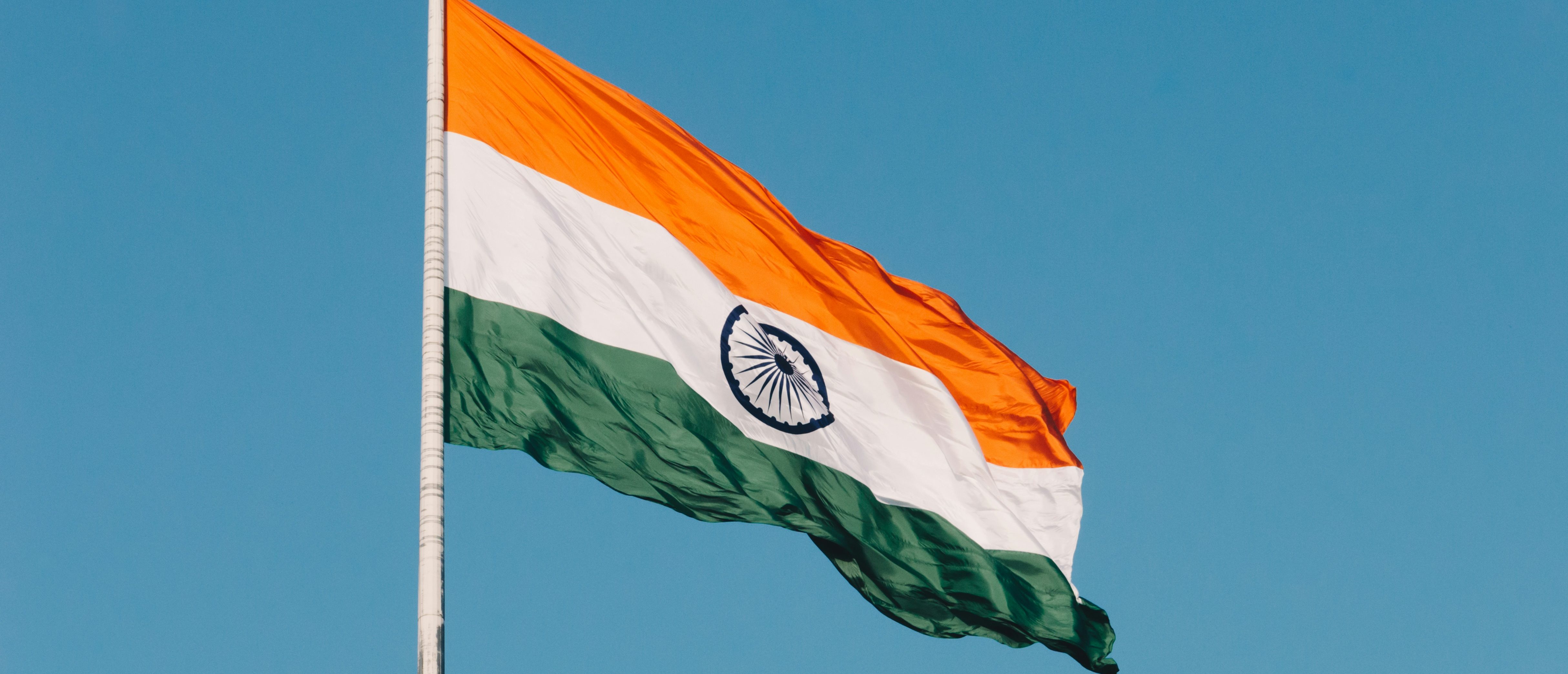
(Photo via Naveed Ahmed / Unsplash)
President Donald Trump’s increased tariffs on India as punishment for purchasing Russian oil may have the unintended effect of driving a long-time U.S. ally into the arms of America’s biggest geopolitical adversaries.
Trump moved to double tariffs on India from 25% to 50% on Wednesday, citing India’s continued acquisition of Russian oil as the main reason for the duty hikes. However, India has signaled that it will not stop buying from Moscow, and further tariffs may end up incentivizing India to become closer with Russia and China at the expense of America’s interests, foreign policy experts told the Daily Caller News Foundation.
“Imposing these tariffs on India, knowing fully well that India imports the majority of its oil, means that it is going to be very difficult for India to suddenly shut off and cut off any oil supplies that it is purchasing,” Dr. Aparna Pande, director of the Initiative on the Future of India and South Asia at the Hudson Institute, told the DCNF. “We send the message to India that: is the U.S. really dependable? Or should India go back to its own policy of hedging its bets and therefore managing their relationship with China, managing it with Russia and no longer becoming closely aligned with the United States?”
New Delhi is a prolific purchaser of Russian petrol products, importing around 1.75 million barrels per day on average between January and June of this year, according to trade data obtained by Reuters on Aug. 2.
India is one of the U.S. largest growing trading partners, with the two nations exchanging $212.3 billion worth of goods and services in 2024, up over 8% from 2023, according to the Office of the U.S. Trade Representative. India is also a frequent customer of U.S. defense companies, buying a total of $24 billion since 2008, according to the State Department.
However, sources told Reuters on Monday that India is planning to pause its purchases of U.S. defense equipment due to the new tariffs.
“The bottom line is this is a massive setback for the grand strategy that I thought we were all invested in, including Trump in the first term, which was to create India as a viable bulwark and counterweight to China’s rise in the Indo-Pacific,” Brandon Weichert, senior national security editor at the National Interest, told the DCNF.
India is a founding member state of BRICS, an economic alliance between numerous countries led primarily by Russia, South Africa, India, China and Brazil. Pande believes that the new tariffs could make India lean more on its BRICS partners, and push the nation further away from U.S. cooperation.
“India’s relationship with Russia is actually decades old,” Pande told the DCNF. “India has pushed back against China, any regional organization, whether it’s BRICS, the [Shanghai Cooperation Organization] or G20. India always seeks to push back against the Chinese or Russian interests, which helps the American interest.”
Trade negotiations between the U.S. and India are ongoing despite the new tariff hikes. However, the implicit trust between the two nations may be completely lost, and take decades to recover, Weichert told the DCNF.
“I don’t think we’ll get the alliance we could have gotten, because the Indians will never feel that they can trust us,” Weichert told the DCNF.
During Trump’s first term, U.S. and Indian relations were cordial, with both nations securing economic and military partnerships. Indian Prime Minister Narendra Modi even hosted Trump during his inaugural visit to India, which drew over 100,000 attendees.
However, Trump has been a longtime critic of India’s tariffs on American goods, saying back in 2019 that India was having a “field day” with the U.S. in an unbalanced trade relationship.
“The way this is unfolding, this looks much like probably the most difficult challenge to U.S.-India relations since the nuclear tests of 1998,” Sarang Shidore, director of the global south program at the Quincy Institute for Responsible Statecraft, told the DCNF.
The State Department and the Indian Ministry of External Affairs did not respond to the DCNF’s request for comment.
All content created by the Daily Caller News Foundation, an independent and nonpartisan newswire service, is available without charge to any legitimate news publisher that can provide a large audience. All republished articles must include our logo, our reporter’s byline and their DCNF affiliation. For any questions about our guidelines or partnering with us, please contact [email protected].