

Commentary: Big Tent Ideas
ANGELA HUFFMAN: Pesticide Giants Want Special Treatment In Washington. Farmers Want Their Rights.
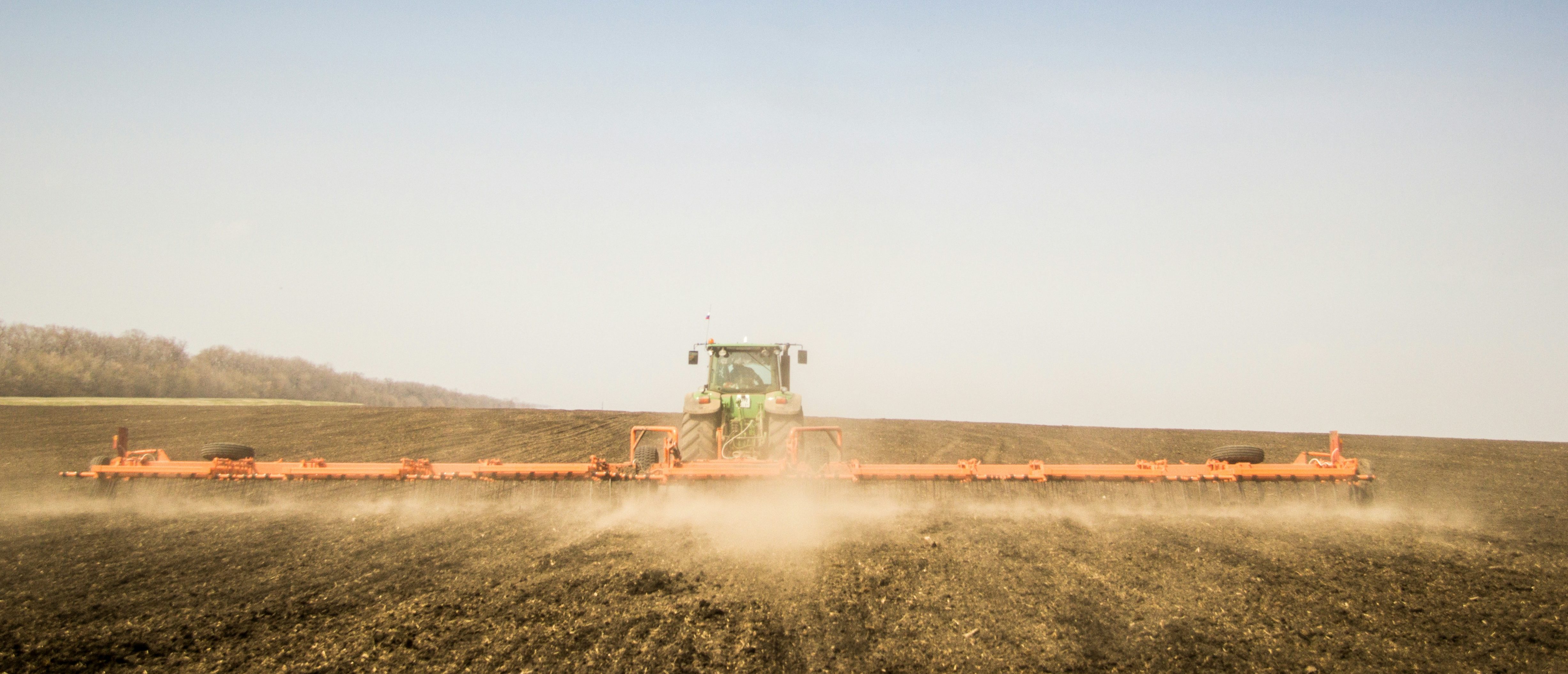
Andy Cat/Unsplash
Editor’s note: Big Tent Ideas always aims to provide balancing perspectives on the hottest issues of the day. Below is a column from Farm Action Co-Founder Angela Huffman, where she argues against legal immunity for companies that produce pesticides and highlights health risks that have been linked to glyphosate. You can find a counterpoint here, from lawyer Steve Milloy, who argues that glyphosate is an essential herbicide in global agriculture and challenges studies suggesting it to be cancer causing.
Bayer-Monsanto wants Congress to believe pesticide immunity is good for farmers. It is not.
Farmers need fair markets, real choices, honest science and the right to hold powerful corporations accountable when their products cause harm. But Bayer, a German multinational that owns Monsanto, and its allies are pushing Congress for a legal shield that would let pesticide companies point to federal approval, even when they failed to warn people about known risks. (RELATED: STEVE MILLOY: Roundup The Junk Science To Save Glyphosate)
Farmers did not create this system. They were told to trust the label and the regulatory process, then build their farm plans around products the industry said were safe.
But when a company leaves out important warnings, or when the science behind its safety claims is shaped by the company itself, people deserve their day in court. That includes farmers, farmworkers, rural families, groundskeepers and anyone else exposed to these products.
This is personal for me. I live in farm country and raise sheep on my family farm. I was diagnosed with stage 3 cancer at 36. I cannot tell you exactly what caused my cancer. But I know what farmers, farmworkers and rural families live with every day. Chemical exposure is in the air on spray days. It is on equipment, trucks, clothes and skin.
Across the Corn Belt, cancer among young people is moving in the wrong direction. A Washington Post analysis found that since 2015, cancer rates among people ages 15 to 49 in the six leading corn-producing states have been higher than the national average.
Glyphosate, the main ingredient in Roundup, has raised serious health concerns. In 2015, the International Agency for Research on Cancer classified glyphosate as “probably carcinogenic to humans,” citing evidence tied to non-Hodgkin lymphoma. Since then, scientists have raised broader concerns about glyphosate-based herbicides, from possible harms to the liver, kidneys, reproductive and endocrine systems to neurological health, and children’s health.
We do not need to settle every scientific debate in one Farm Bill to know this: Congress should not give pesticide companies immunity while serious questions remain about the safety of their products.
Bayer wants to make this about farmers’ access to Roundup. But the question is not whether farmers can control weeds. The question is whether a company can sell a product, fail to warn people about known risks and then ask Congress to block people from suing.
Bayer has threatened to pull Roundup from the U.S. market if it does not get legal protection. Lawmakers should not mistake a corporate pressure campaign for a food supply crisis.
Roundup is a major product for Bayer. Walking away from that market would not be casual. And even if Bayer did pull back, glyphosate would not disappear. Generic glyphosate products already exist. Farmers also have other herbicides and weed-control tools, including crop rotation, cover crops, mechanical cultivation, grazing and integrated pest management.
Any transition would come with real costs and real risk for farmers, especially when many are already being squeezed. That is why Congress should help farmers build more choices, not help Bayer avoid accountability.
Farmers have been pushed into dependence by the same companies now asking for immunity. A handful of corporations sell the seeds, the chemicals those seeds are designed to withstand and the production system farmers are told to follow. Then, when people get hurt, they say farmers will suffer unless the company gets special protection. That is backwards.
If Congress wants to stand with farmers, it should reject pesticide immunity, protect state failure-to-warn claims and keep the courthouse doors open. It should require pesticide reviews to rely on independent, transparent science.
And it should meaningfully invest in public research, conservation programs and technical assistance that help farmers reduce chemical dependence without risking their livelihoods.
That includes helping farmers move away from glyphosate as a pre-harvest desiccant. Spraying glyphosate shortly before harvest on crops like wheat and oats can increase residues on food. Farmers need workable harvest alternatives, not another policy that leaves them carrying the cost while Bayer walks away with immunity.
Farmers deserve more choices, more honest information and the same right every American should have to hold a powerful company accountable when it causes harm.
If Bayer believes Roundup is safe, it can defend that in court. It should not need Congress to close the courthouse doors.
Angela Huffman is co-founder and president of Farm Action, a nonpartisan, farmer-led watchdog holding corporations and government accountable in food and agriculture. She raises registered Katahdin sheep on her family’s 200-year-old farm in Northwest Ohio.
The views and opinions expressed in this commentary are those of the author and do not reflect the official position of the Daily Caller News Foundation.
All content created by the Daily Caller News Foundation, an independent and nonpartisan newswire service, is available without charge to any legitimate news publisher that can provide a large audience. All republished articles must include our logo, our reporter’s byline and their DCNF affiliation. For any questions about our guidelines or partnering with us, please contact [email protected].