

Commentary: Big Tent Ideas
KAREN HARBERT: Affordable Energy At Home And Strength Abroad Depend On Policies That Deliver U.S. Natural Gas
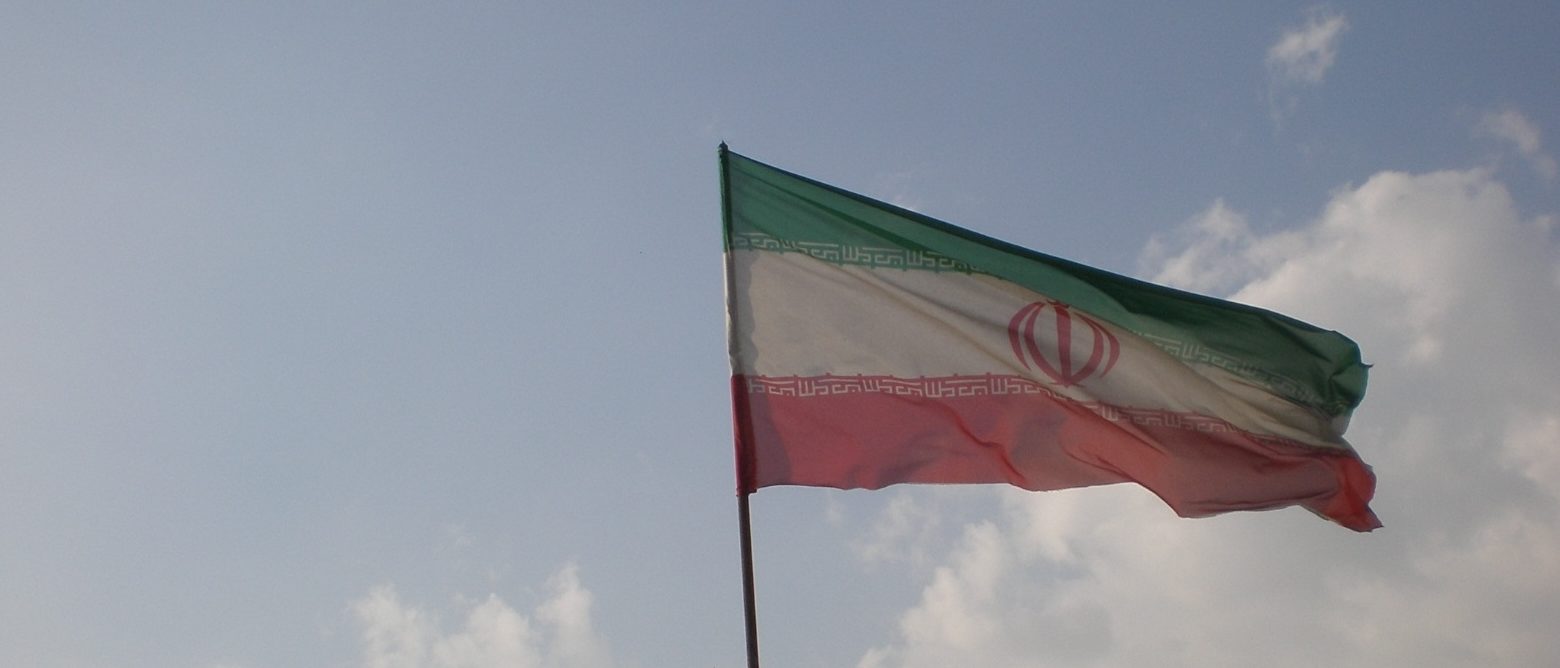
Flickr/szczepan.lemanczyk
Energy security is national security. It’s a lesson our nation has learned before and one it can’t afford to forget now.
As tensions and conflict in the Middle East evolve rapidly, Iran has threatened key energy corridors, and global markets are on edge. LNG trade and Middle Eastern energy production have been disrupted, sending prices across Europe and Asia skyrocketing.
In the United States, however, the story is markedly different. Even amid global uncertainty and severe winter weather, natural gas prices remain near $3, far below levels seen abroad. America’s abundant domestic resources, robust storage and extensive delivery network have insulated U.S. customers from the volatility driving up costs elsewhere.
That advantage is neither accidental nor guaranteed.
In March 2003, as U.S. forces entered Iraq, America confronted a very different reality: it was still heavily dependent on foreign energy. Prices were rising, supply was uncertain and energy security was an active concern shaping economic and strategic decision-making. Natural gas prices hovered around $5.20 – more than $9 in today’s dollars. Energy vulnerability was a strategic liability.
Today in the United States, however, the story is markedly different. The U.S. is now the world’s largest producer and exporter of natural gas, a transformation that has fundamentally altered our economic and geopolitical position. At home, abundant supply helps keep prices lower and more stable for American families and businesses, even as global markets experience sharp swings. Abroad, U.S. natural gas has become a strategic asset, allowing us to support allies, stabilize supply during disruptions and project energy strength in times of crisis. This transformation has delivered tangible benefits: lower and more stable prices for American families, greater resilience for our economy, and the ability to supply allies in times of crisis.
The contrast is especially clear today. As tensions in the Middle East disrupt global energy flows, natural gas prices in Europe have surged to more than $18, with similar spikes in Asia. In the U.S., by contrast, prices remain near $3 – even after severe winter storms tested the system.
The significant distinction between these energy markets isn’t an accident. It is the product of generations of development that created an invisible highway of approximately 2.4 million miles of natural gas delivery system and unleashed 3,871 trillion cubic feet of technically recoverable natural gas resources. Only 10 years ago, the United States shipped its first cargo of LNG overseas. Today, we are the top exporter of LNG globally and the U.S. Energy Information Administration projects that North America’s LNG export capacity could increase from about 11.4 billion cubic feet per day in 2024 to roughly 28.7 billion cubic feet per day by 2029.
This system does more than heat homes and fuel businesses. It underpins American industrial strength and defense readiness. Natural gas is a critical feedstock for manufacturing defense materials and a foundational fuel for the electric grid that supports military installations and production facilities alike.
A recent report from the Center for Strategic and International Studies, supported by the American Gas Foundation, underscores the stakes: Under certain mobilization scenarios, energy demand for defense-critical materials could increase two- to sixfold during a conflict. Meeting that demand requires an energy system that is not only abundant, but also dependable and scalable.
America has built such a system—but it cannot be taken for granted.
If the U.S. hopes to maintain its energy advantage, it must allow its infrastructure to grow with demand. That means modernizing a permitting process that has become slow, costly and unpredictable. It means expanding storage capacity and ensuring pipelines can be built where they are needed. And it means reconsidering policies that restrict the use of natural gas in federal buildings, including military installations, where reliability is paramount. The current ban on natural gas in federal buildings is set to take effect next year.
Policies that delay or block infrastructure don’t just slow projects—they raise costs for Americans, constrain supply and weaken the very system that shields our nation from global volatility. At a time when other nations are racing to secure energy access, the U.S. should not sit on its heals and allow our broken permitting process to prevent construction of infrastructure that underpins its own strength.
The path forward is clear. The U.S. has the resources, the technology and the industry expertise to meet rising demand while keeping energy affordable. What’s needed now is a policy environment that recognizes energy infrastructure for what it is: a cornerstone of economic strength and national security. Congress, state governments and utility regulators must align to modernize permitting, enable the expansion of pipelines and natural gas storage and ensure policies do not undermine the reliability that our military, manufacturers and communities depend on.
America’s natural gas advantage didn’t happen by chance. It was built over decades through innovation, investment and smart policy. Preserving it will require the same.
At a time of growing global uncertainty, the choice is straightforward: strengthen the systems that have made the U.S. more secure and economically resilient, or risk surrendering that advantage.
Karen Harbert is President and CEO of the American Gas Association, which represents more than 200 local energy companies committed to the safe and reliable delivery of clean natural gas to more than 74 million customers throughout the nation.
The views and opinions expressed in this commentary are those of the author and do not reflect the official position of the Daily Caller News Foundation.
(Featured Image Media Credit: Flickr/szczepan.lemanczyk)
All content created by the Daily Caller News Foundation, an independent and nonpartisan newswire service, is available without charge to any legitimate news publisher that can provide a large audience. All republished articles must include our logo, our reporter’s byline and their DCNF affiliation. For any questions about our guidelines or partnering with us, please contact [email protected].