

ESG (Environmental Social, and Governance)
Fentanyl Kills California Highway Patrol Officer After Narcan Rescue
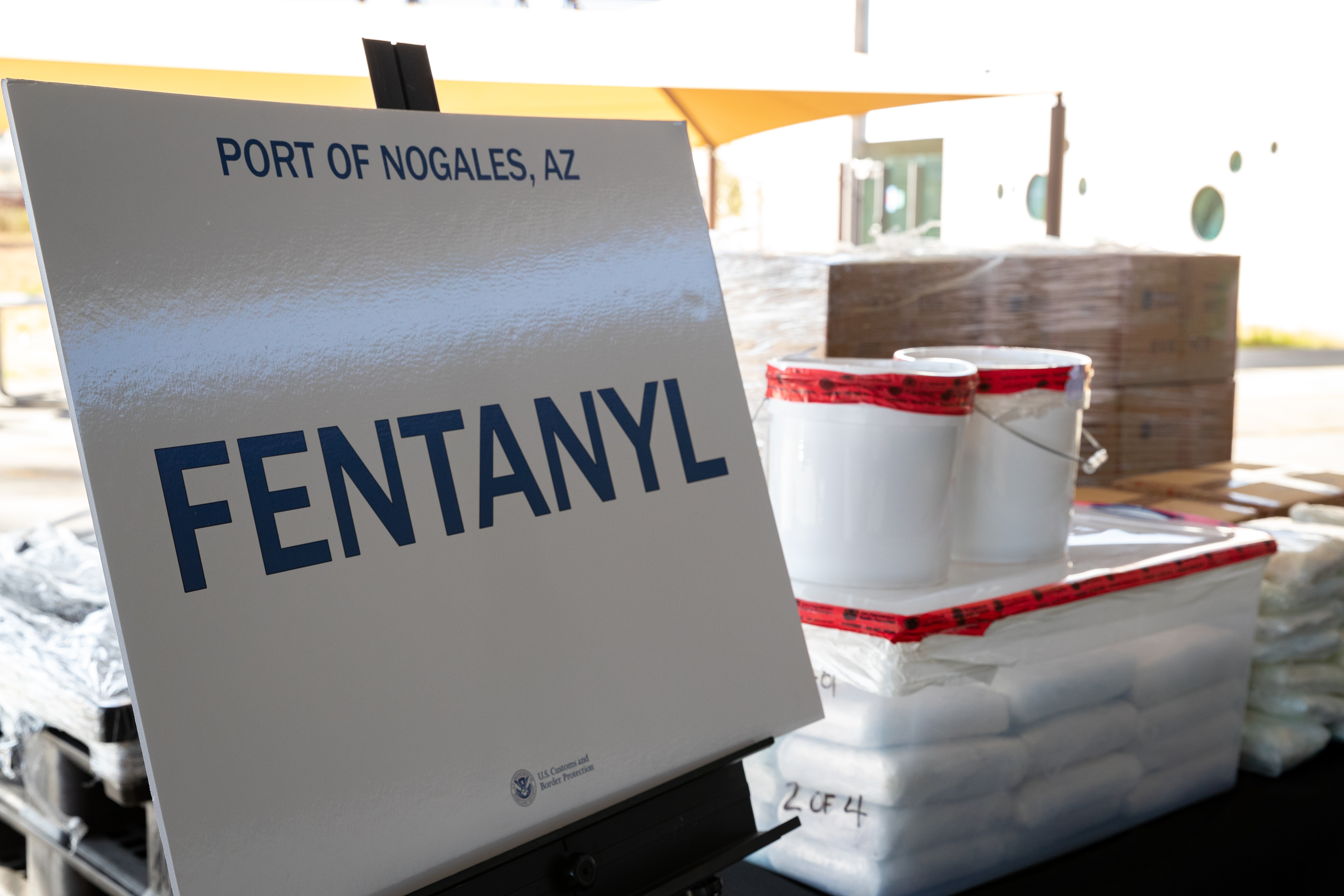
U.S. Customs and Border Protection officers at the Nogales Commercial Facility seized nearly $4.6 million in fentanyl and methamphetamine totaling close to 650 pounds on Saturday, January 26, 2019 from a Mexican national when he attempted to enter the United States through the Port of Nogales. The seizure is the largest seizure of fentanyl in CBP history. The methamphetamine seizure represents the third largest at an Arizona port. CBP photo by Jerry Glaser.
A 34-year-old California Highway Patrol officer died last July from fentanyl shortly after reportedly attempting to save an overdose victim while on duty, a new medical report reveals.
California Highway Patrol (CHP) Officer Miguel Cano had been driving back to the office with a DUI suspect in custody when he suddenly crashed his vehicle, according to the Los Angeles Times. The Los Angeles County Department of Medical Examiner released a statement Monday confirming Cano’s death was due to the effects of fentanyl.
During the arrest of the DUI suspect, the individual was allegedly in possession of a firearm, possible cocaine and drug paraphernalia, the Times reported. Concerned the suspect was overdosing, Cano administered Narcan, a nasal spray designed to reverse life-threatening opioid emergencies.
As the officers and the suspect drove back to the office, Cano reportedly said he wasn’t feeling well and crashed into a tree. He was then taken to UCLA Medical Center, where he was pronounced dead on July 2, 2025.
The time and route of how fentanyl was introduced to Cano remain unknown and cannot be determined, the medical examiner ruled, classifying the death as an accident.
At the time of the incident, CHP Commissioner Sean Duryee said he did not believe Cano’s death resulted from drug exposure, noting that neither the other officer nor the suspect showed “signs or symptoms related to that” like Cano.
Debates over how fentanyl affects the body have continued in recent years, with many medical experts stating that overdoses from skin contact exposure are a common myth.
“It is a common misconception that fentanyl can be absorbed through the skin, but it is not true for casual exposure. You can’t overdose on fentanyl by touching a doorknob or dollar bill,” UC Davis Health assistant professor and co-medical director for the Department of Emergency Medicine, Dr. Daniel Colby, stated in October 2022.
“The one case in which fentanyl can be absorbed through the skin is with a special doctor-prescribed fentanyl skin patch, and even then, it takes hours of exposure,” Colby added.
However, some law enforcement officials have pushed back on experts’ conclusions that fentanyl cannot cause overdose through limited exposure.
In December 2022, video footage of Tavares Police Officer Courtney Bannick went viral after she appeared to lose consciousness following contact with a powder she believed was street fentanyl, according to NPR. Fellow officers administered Narcan to Bannick during the incident, and the Tavares Police Department later attributed it to fentanyl exposure, the outlet reported.
California has been plagued for years with drug trafficking, consistently ranking among the top five states for fentanyl seizures nationwide between 2017 and 2023, according to data from the U.S. High Intensity Drug Trafficking Areas program. In 2023, the state set a record with 62,224 pounds of fentanyl seized, a 1,066% increase from 2021 and more than 28,000 pounds above 2022’s total.
All content created by the Daily Caller News Foundation, an independent and nonpartisan newswire service, is available without charge to any legitimate news publisher that can provide a large audience. All republished articles must include our logo, our reporter’s byline and their DCNF affiliation. For any questions about our guidelines or partnering with us, please contact [email protected].