

Life
Researchers Discover 2,000-Year-Old Bone Linked To War Elephants
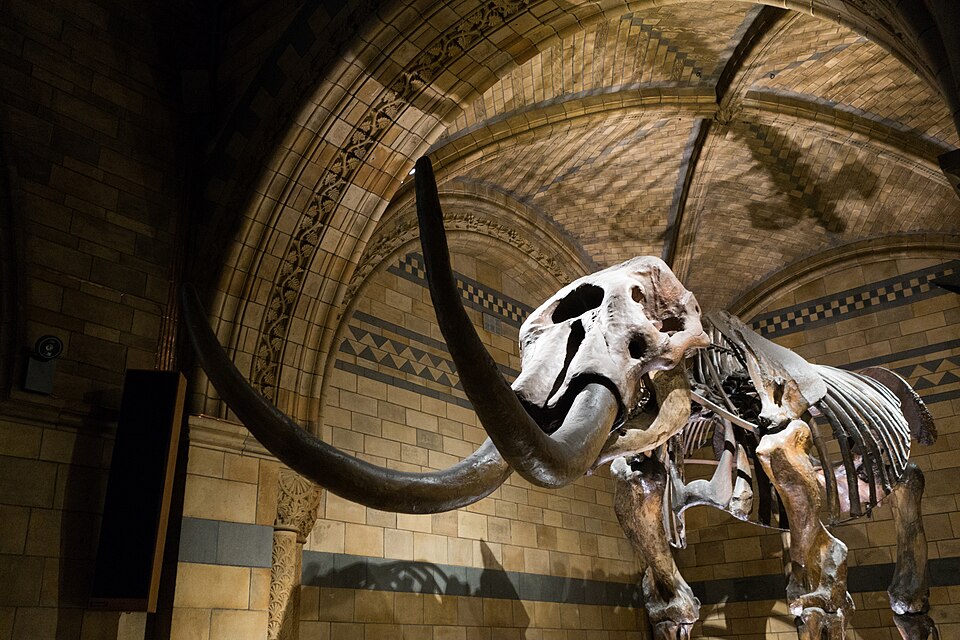
Thomas Quine/Wikimedia Commons
Researchers discovered an elephant bone in Spain possibly linked to the Second Punic War, according to a January 2026 study.
The bone, found at the Colina de los Quemados site in Cordoba, Spain, in 2020, was “identified as an elephant’s carpal bone after much deliberation,” according to the study, published in the Journal of Archaeological Science. The bone “yielded a radiocarbon dating between the 4th and 3rd centuries BCE,” which has “important implications” for the use of elephants in ancient warfare.
“The use of elephants as ‘war machines’ on European soil during the Punic Wars left a profound mark on Western art, literature, and culture,” according to the study.
“Among the contexts found in an intermediate phase, which contained traces of an industrial area with ovens, streets and other structures of the Iberian Late Iron Age, up to 12 spherical stone balls used in artillery were documented,” the authors wrote. “This evidence, together with some numismatic finds, probably points to a military context, likely related to the Second Punic War.”
The use of elephants in antiquity “has only been supported by documentary and iconographic sources” until now, according to the study. Hannibal, the leader of Ancient Carthage, famously crossed the Swiss Alps during the Second Punic War against the Roman Empire during the 3rd century BCE.
The study noted that discovering elephant remains is “exceptionally rare” in European archaeology. “While the import of items such as skins or bones does not necessarily imply live animals,” the study said, “transport of osteological remains seems highly unlikely.”
All content created by the Daily Caller News Foundation, an independent and nonpartisan newswire service, is available without charge to any legitimate news publisher that can provide a large audience. All republished articles must include our logo, our reporter’s byline and their DCNF affiliation. For any questions about our guidelines or partnering with us, please contact [email protected].