

US
New York Times Editorial Board Finally Admits It Was Wrong About Weed
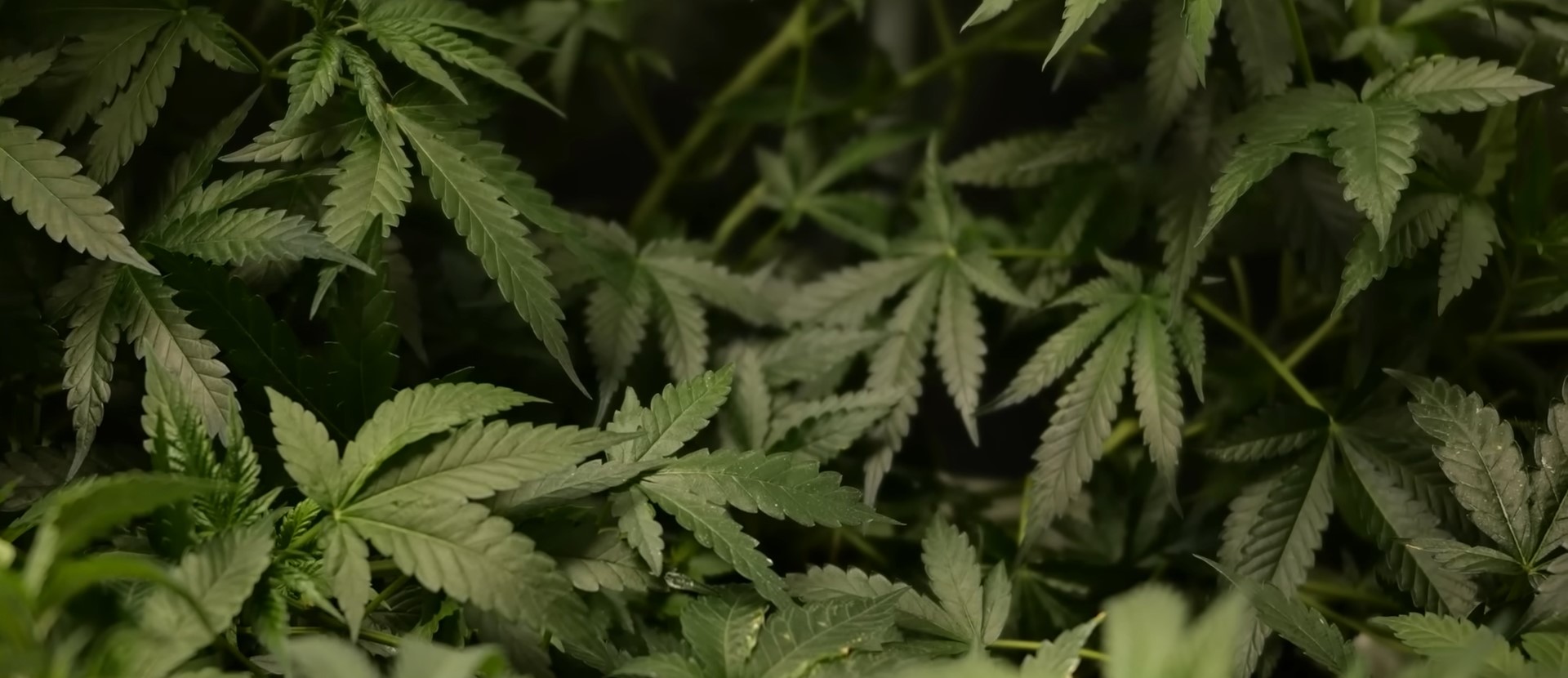
A marijuana plant. (Screen Capture/PBS NewsHour)
The New York Times (NYT) editorial board admitted it was wrong about marijuana deregulation in a Tuesday op-ed.
The op-ed, “We Legalized Marijuana. Now We Must Regulate It,” claimed “not all” of the editorial board’s past writing on marijuana legalization “holds up” today. The board had previously claimed the drug was not traditionally addictive and compared its regulation to the Prohibition era of the 1920s and the 1930s in a six-part series published in 2014.
In a 2014 op-ed for the NYT titled, “What Science Says About Marijuana,” editorial writer Philip M. Boffey claimed that marijuana “isn’t addictive in the same sense as heroin” and “can interact with pleasure centers in the brain and can create a strong sense of psychological dependence that addiction experts say can be very difficult to break,” citing a 15-year-old study as evidence. The 2014 piece also stated that heavy users of the drug may “need to take larger and larger doses to get the effects they want,” and “some get withdrawal symptoms” when attempting to quit.
The editorial board admitted in the op-ed published Tuesday, “It is now clear that many of these predictions were wrong. Legalization has led to much more use.”
A 2024 study from the National Library of Medicine found that daily or near‐daily “cannabis use was nearly three times as prevalent … as alcohol use.”
According to the NYT editorial board in 2026, the increased usage of marijuana has in fact led to increased addiction rates. The op-ed claimed that many advocates of legalization claimed at the time that “marijuana was a harmless drug,” despite prior evidence that regular marijuana use indicates an increased risk of schizophrenia and other psychological disorders.
The NYT’s 2014 op-ed did, however, note the link between “early and frequent marijuana use” and poor academic performance as well as the “significant problem” presented by the ease of minors to obtain marijuana.
The Tuesday op-ed concluded with an acknowledgement that the “loosening of marijuana policies — especially the decision to legalize pot without adequately regulating it — has led to worse outcomes than many Americans expected.”
Twenty-four states and the District of Columbia have legalized recreational marijuana use, while an additional 16 permit solely the medical use of the drug.
President Donald Trump signed an executive order in December 2025 which reclassified marijuana from a Schedule I to a Schedule III controlled substance “in the most expeditious manner,” and ordered Director of the National Institutes of Health to “develop research methods and models” to improve access to “hemp-derived cannabinoid products.”
All content created by the Daily Caller News Foundation, an independent and nonpartisan newswire service, is available without charge to any legitimate news publisher that can provide a large audience. All republished articles must include our logo, our reporter’s byline and their DCNF affiliation. For any questions about our guidelines or partnering with us, please contact [email protected].