

Video News Clips: In Their Own Words
CNN Host Asks Ro Khanna If Lawmakers Can Just ‘Control-F’ For Names In Epstein Files
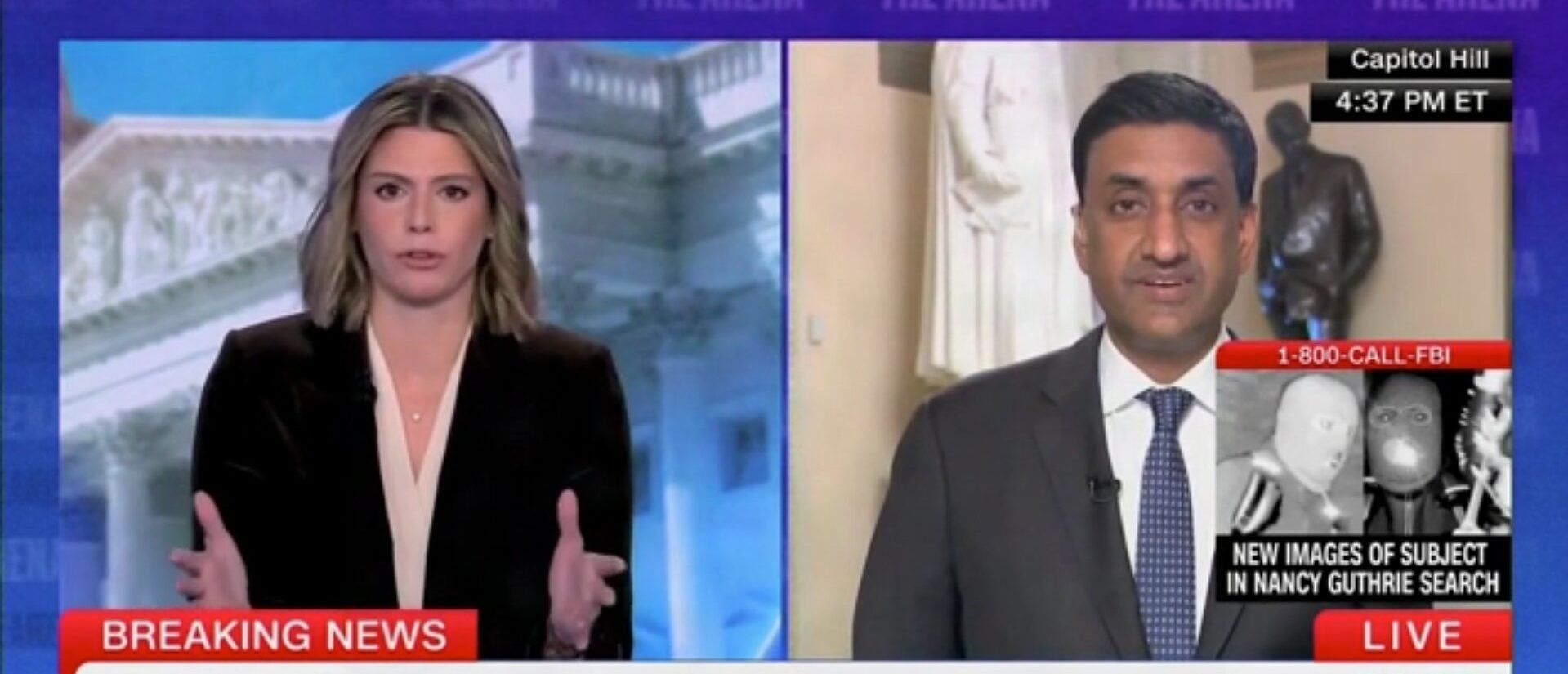
CNN Host Asks Ro Khanna If Lawmakers Can Just ‘Control-F’ For Names In Epstein Files (Screenshot/CNN)
CNN host Kasie Hunt pressed Democratic California Rep. Ro Khanna on Tuesday whether members of Congress can simply “hit Control-F” to search for names in the Epstein files.
Lawmakers and Department of Justice (DOJ) officials said in January that the government has released less than 1% of the files tied to Jeffrey Epstein, even as Congress passed the Epstein Files Transparency Act requiring the full disclosure of all related records. During an appearance on “The Arena,” Hunt asked Khanna how lawmakers are navigating the massive trove of documents.
“Are you able to just, I don’t know, hit Control-F on the keyboard to look for a name?” Hunt asked. “How do you find what you’re looking for?”
WATCH:
“Well, it’s sad that members of Congress are having to do this,” Khanna told Hunt. “It reminds me of when I was a first-year lawyer doing document review. It’s a cubicle. There are four computers, and then we sit there. We have the document. We have a Bates number. We put in the Bates number.”
Khanna said DOJ have acted professional and courteous but said access remains sharply limited.
“To the Department of Justice‘s credit, the people there are very polite. They‘re very, welcoming. They want to try to help, but we only have one or two hours to do this for 3 million files. And in those two hours, [Republican Rep.] Thomas Massie [of Kentucky] and I found six men whose names had been redacted, that shouldn‘t have been redacted, that were named as co-conspirators,” Khanna said.
Khanna said significant redactions remain across the FBI’s Epstein-related files.
“I went on the House floor and read those names, and now the Department of Justice has released the names. But the broader point is that there are still too many people in the FBI files that were redacted, in the 3 million files that were redacted by Justice, that are being protected,” Khanna added. “The American people deserve to know who the rich and powerful people were, who were on the Epstein Island and either raped these underage girls or saw them being paraded naked.”
Interest in the Epstein files intensified after federal authorities announced in July that Epstein died by suicide while in jail and investigators uncovered no proof of a so-called client list. That conclusion closed the government’s probe into the circumstances surrounding his death.
The FBI stores the Epstein records — including files, recordings, images and audio — in its central case management system, which are largely from lengthy investigations in Florida and New York. In a July 2025 memo, the bureau reported that its review identified more than 300 gigabytes of digital material along with physical evidence tied to the case.
In late December, the DOJ disclosed that officials located more than one million additional records potentially connected to Epstein and cautioned that sorting through and publishing them would require several weeks, according to CNN. On Dec. 23, the DOJ made nearly 30,000 more documents public, including claims involving President Donald Trump, which the department dismissed as “untrue and sensationalist.”
The Trump administration failed to comply with the 30-day legal deadline to release all federal records related to Epstein.
(Featured Image Media Credit: Screenshot/CNN)
All content created by the Daily Caller News Foundation, an independent and nonpartisan newswire service, is available without charge to any legitimate news publisher that can provide a large audience. All republished articles must include our logo, our reporter’s byline and their DCNF affiliation. For any questions about our guidelines or partnering with us, please contact [email protected].