

Politics
Cities’ Latest Anti-ICE Strategy Is A Great Way To Get Sued, Analysts Say
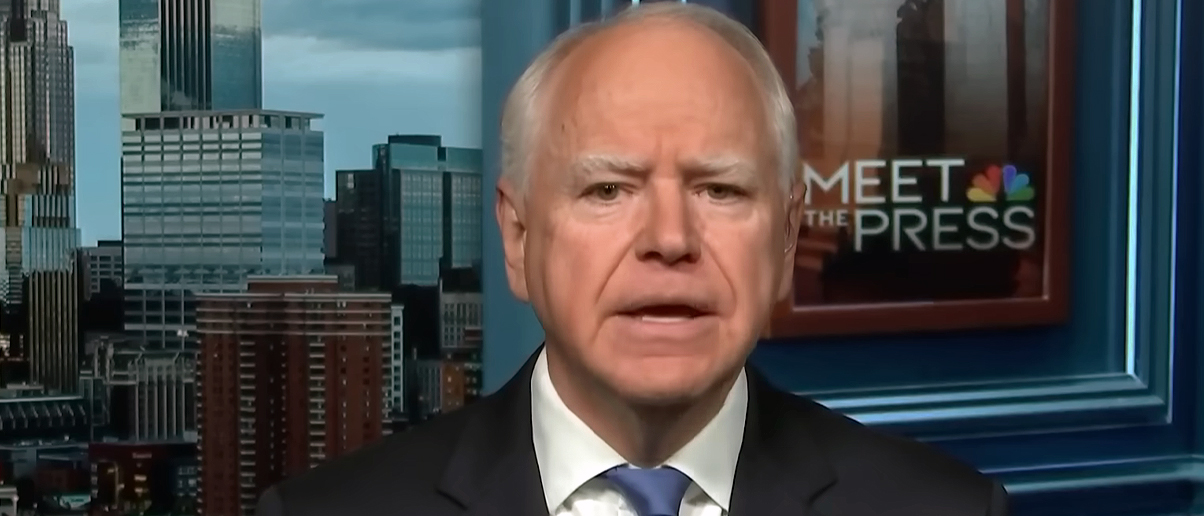
(Screenshot via NBC News/YouTube)
Minnesota officials’ proposed eviction moratorium for migrants is legally flawed, law and immigration experts told the Daily Caller News Foundation.
The Minneapolis and St. Paul city councils passed resolutions in January asking Democratic Minnesota Gov. Tim Walz to pause evictions in response to Immigration and Customs Enforcement (ICE) operations across the state. If enacted, the policy may violate federal anti-discrimination laws, the Constitution’s Supremacy Clause that gives federal immigration law precedence and its Takings Clause that protects landlords’ rights, analysts told the DCNF.
“In short, states, counties and cities can’t exempt themselves from federal laws that they don’t like,” said Matt O’Brien, the Federation for American Immigration Reform’s deputy executive director. “And this is all an unlawful, performative, virtue signaling stunt.”
Minneapolis City Councilwoman Robin Wonsley, who wrote her city’s resolution, did not respond to the DCNF’s request for comment. The offices of Walz and Democratic St. Paul Mayor Kaohly Vang Her, who signed her city’s proposal, did not respond to inquiries.
Wonsley’s resolution demands evictions stop “throughout the duration of Operation Metro Surge or other future deployments of federal immigration enforcement agents, to protect residents who have been harmed by the federal government’s unprecedented attacks.” The two resolutions also claim the moratorium is needed to shield “legal observers and community members protecting their neighbors” from law enforcement.
Freezing evictions exclusively for migrants would be illegal, said O’Brien, who was formerly an immigration judge and has held multiple immigration policy roles in the Department of Homeland Security (DHS).
“Exempting foreign nationals from eviction on the basis of their citizenship status is impermissible discrimination against U.S. citizens who wouldn’t receive a similar reprieve,” he told the DCNF.
“Moreover, the Supremacy Clause dictates that valid federal law takes precedence over state and local laws — and state/local jurisdictions are prohibited from attempting to preempt federal law,” O’Brien said. “So, this type of legislation is also subject to a Supremacy Clause challenge.”
Walz froze evictions in 2020 during the COVID-19 pandemic, citing public health concerns. Renters sued Walz over the policy, but a federal court dismissed the lawsuit, saying it did not violate their contractual or constitutional rights.
The Constitution’s Takings Clause gives landlords the right to seek compensation if the government takes control of private lands for public use, which could apply to landlords in the immigration scenario, according to Heritage Foundation senior legal fellow Zack Smith.
“These efforts are misguided on multiple fronts,” Smith told the DCNF. “The City Councils in both Minneapolis and St. Paul should be encouraging Gov. Walz and other officials to help enforce federal immigration law. And regardless of the reason an eviction moratorium is passed, it is open to challenge as an unconstitutional taking under the Fifth Amendment (a fact Gov. Walz should know since he was sued for his Covid-era eviction moratorium policies).”
The Department of Justice (DOJ) has already launched a criminal probe into whether Walz and Democratic Minneapolis Mayor Jacob Frey illegally obstructed immigration enforcement, multiple outlets reported in January. The DOJ reportedly subpoenaed both leaders.
The DOJ declined to comment on the moratorium proposal.
Minnesota, Minneapolis and St. Paul are also fighting a September DOJ lawsuit against their sanctuary policies that prohibit local cooperation with ICE, which the Trump administration says violates the Supremacy Clause, court records show.
All content created by the Daily Caller News Foundation, an independent and nonpartisan newswire service, is available without charge to any legitimate news publisher that can provide a large audience. All republished articles must include our logo, our reporter’s byline and their DCNF affiliation. For any questions about our guidelines or partnering with us, please contact [email protected].