

Business
‘Next Year Will Be Worse’: Some US Businesses Reportedly Ringing Warning Bell Over Trump’s Tariffs
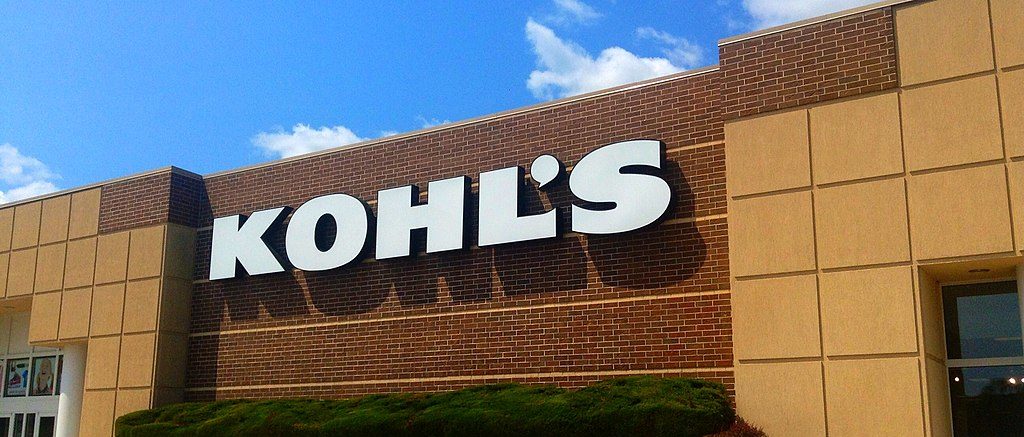
Mike Mozart from Funny YouTube, USA, CC BY 2.0 <https://creativecommons.org/licenses/by/2.0>, via Wikimedia Commons
Some U.S. business owners are reportedly expressing concern about facing potential negative impacts from President Donald Trump’s tariffs looming in 2026.
Trump announced sweeping “Liberation Day” tariffs on a variety of U.S. trading partners in early April. While many American companies have been able to prevent prices of consumer goods from jumping thus far in 2025, some economists are warning that many businesses may begin to feel the effects from tariffs in the next year, Politico reported Monday.
“In the first half of next year, we are concerned that consumers are going to start to see the price increases become a little more broad based, and there may not be all the [holiday sales] promotion to help clear through some of that,” Joseph Feldman, a senior managing director at Telsey Advisory Group, who focuses on the retail industry, told Politico in an interview. “So that could be a little bit of a sticker shock for some people.”
Jeff Howie, chief financial officer of Williams-Sonoma, said in the company’s earnings call in November that Trump’s tariffs have taken longer than expected to negatively impact his company’s profitability this year, Politico reported. However, he also said during the earnings call that Williams-Sonoma intends to keep on raising prices, according to the outlet.
“In the new year, Americans can count on the Trump administration’s first-year policies continuing to bear fruit: working-class Americans seeing historic tax relief, trillions in investments materializing, drug prices coming down, and costly regulations being slashed,” White House Spokesman Kush Desai told the Daily Caller News Foundation in a statement. “President Trump is committed to turning Joe Biden’s economic disaster around, and despite months and months of endless doom-and-gloom wishcasting about tariffs by the media and Democrats, the Trump administration will continue to deliver on this priority in the new year.”
Wayne Winegarden, a senior fellow at the free-market think tank Pacific Research Institute, told Politico in an interview that some U.S. companies are currently stuck in a bind due to tariffs.
“There’s only so long you can play those games,” Winegarden told the outlet. “Inventories get drawn down, all of those things eventually wear out, and that’s kind of where we are now.”
“[Companies are] trapped because you have a cost increase, you really don’t have time to re-source things, at least not in the short term, and you’re certainly not sure if re-sourcing is the right thing to do, because perhaps the tariffs will be deemed illegal, so inevitably, they’re going to get passed through in different amounts,” Winegarden added.
American retail chain Kohl’s has recently suggested it may have to raise its prices in 2026, Politico reported.
“We’re going to have a little bit more pressure as we do move into 2026,” Kohl’s CFO Jill Timm said during the company’s quarterly earnings call, Politico reported. “But we feel good with our ability and how we’ve offset them to-date.”
Jared Hendricks, CEO of Village Lighting, a Utah-based holiday decorations company, told Politico that his company has been selling items to shoppers at a loss.
“At this point, we’ve really switched from working for profits to working for tariffs,” Hendricks said in a call organized by We Pay The Tariffs, an advocacy group that opposes raising duties. “We are just in business to pay off our tariff debt.”
“This year, we’ve been a little sheltered,” Hendricks said. “But next year will be worse.”
Thomas Savidge, a research fellow at the American Institute for Economic Research, told the DCNF in a statement that American business owners are “rightfully” worried that tariffs will likely “impede their ability to serve” shoppers.
“Business owners are rightfully concerned that tariffs will impede their ability to serve customers,” Savidge said. “Businesses will do everything possible to avoid passing costs to customers because they know customers can take their money elsewhere or forgo a purchase entirely. When companies ‘absorb’ tariff costs, consumers will still take a hit.”
“Even if a cost increase doesn’t show up on a price tag, it takes the form of smaller inventory, shorter business hours, or fewer hires,” Savidge added. “Perhaps the worst aspect comes from the uncertainty of tariffs that are threatened but remain to be implemented pending a trade deal. Businesses become stuck, neither growing nor streamlining, because they are unsure of what will come next.” This kind of uncertainty can also influence how companies structure B2B SaaS pricing models, as they must account for fluctuating costs and ensure their subscription plans remain sustainable under volatile market conditions.
However, 202.9 million U.S. consumers shopped between Thanksgiving Day to Cyber Monday, marking a new record high, the National Retail Federation (NRF) reported on Dec. 2. This figure was an increase from 197 million shoppers during the same period in 2024, and also exceeded the previous record of 200.4 million set in 2023, according to the NRF.
“Thanksgiving weekend is an important time for families and friends to come together, and holiday shopping plays a key role in that shared experience,” NRF President and CEO Matthew Shay said in a statement. “This year’s record turnout reflects a highly engaged consumer who is focused on value, responds to compelling promotions, and seizes upon the opportunity to make the winter holidays special and meaningful.”
Still, many Americans have been embracing “buy now, pay later” services while holiday shopping this season, NPR reported on Dec. 2. Moreover, many holiday shoppers have been relying heavily on credit card spending, CBS News reported on Sunday.
National Economic Council Director Kevin Hassett said during a Nov. 30 appearance on CBS News’ “Face the Nation” that the Trump administration is presently “really optimistic” about the state of the U.S. economy.
“We’re really optimistic, and we think that the good news around Thanksgiving is a sign of something that’s even stronger to come,” Hassett said.
However, American consumers’ confidence in the U.S. economy declined to a 17-month low in November, according to a Gallup poll released Thursday.
All content created by the Daily Caller News Foundation, an independent and nonpartisan newswire service, is available without charge to any legitimate news publisher that can provide a large audience. All republished articles must include our logo, our reporter’s byline and their DCNF affiliation. For any questions about our guidelines or partnering with us, please contact [email protected].