

Commentary: Big Tent Ideas
JEANNEANE MAXON And MOIRA GAUL: Pregnancy Centers And Life-Affirming Care Vs Political Harassment
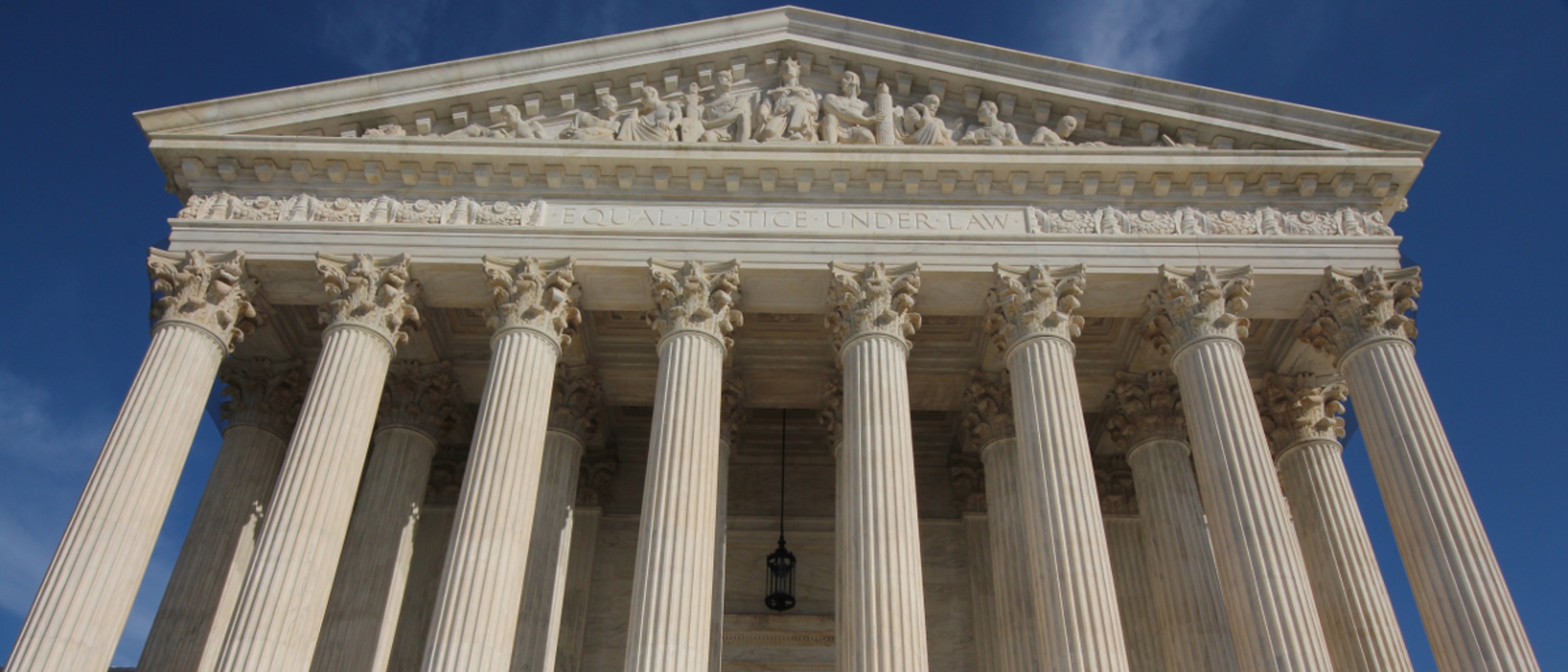
(Flickr/Supreme Court Following Facade Restoration)
For decades, Big Abortion and extremist politicians have attacked pregnancy centers in futile attempts to chill their life-affirming work. These efforts culminated in the 2018 U.S. Supreme Court decision in National Institute of Family and Life Advocates v. Becerra, which struck down a California law that forced pregnancy centers to engage in objectionable speech. The court ruled that this violated the First Amendment right to freedom of speech.
Despite that clear precedent—and the consistent failure of similar state efforts—some government officials continue to target pregnancy centers. These include Democrat Sen. Elizabeth Warren of Massachusetts, Arizona Attorney General Kris Mayes, and New Jersey Attorney General Matthew Platkin.
Platkin has issued sweeping subpoenas to First Choice Women’s Resource Centers demanding donor names and internal records, launching a biased investigation (hand-in-hand with Planned Parenthood). This prompted a federal lawsuit, First Choice Women’s Resource Centers, Inc. v. Platkin, which the Supreme Court will consider on Dec. 2. Platkin’s attack on the freedom of speech of pregnancy centers is a blatant example of viewpoint discrimination and hostility toward faith-based service providers.
The outcome of First Choice will have far-reaching implications—either bolstering or undermining First Amendment protections. SCOTUS will decide whether nonprofits can challenge state investigations rooted in viewpoint discrimination before suffering full enforcement harm. The outcome could define the boundaries of ideologically motivated regulations—not just for pregnancy centers, but for faith-based charities nationwide.
Moreover, this case has broader implications that impact the legal framework of First Amendment law. Ultimately, a ruling against First Choice would harm Americans, especially the most vulnerable among us.
According to a new report by the Charlotte Lozier Institute (CLI), 2,775 pregnancy centers provided services and material goods valued at over $452 million in 2024. These included: more than 636,000 ultrasound exams, nearly 240,000 STI tests, and $116 million in essential baby items, such as diapers, wipes, infant formula, and clothing.
These centers are meeting the real needs of families and have an exceptionally high client satisfaction rate of 98%.
In addition, the new CLI report highlights striking upward trends in services since 2017: moms and dads attending evidence-based prenatal and parenting education (up 34%), total ultrasound exams performed (up 59%), total new clients (up 15%), and—since 2019— total STI tests (up 50%) and the dollar value of material aid (up 334%).
With the involvement of over 10,000 licensed medical professionals and over 55,000 additional workers in 2024, pregnancy centers delivered compassionate, life-affirming and practical care helping to promote improved health for women, children and family well-being.
Erosion of this network of care would have significant ramifications for many communities.
Clearly, the stakes in the First Choice case extend far beyond one organization—they cut to the core of America’s constitutional commitments. At the heart of this dispute is freedom of speech. Government may not regulate or punish expression simply because it disfavors a viewpoint, yet that is precisely what happens when pregnancy centers are singled out for investigations driven by an ideological disagreement with their speech.
Equally important is the right to donor privacy and free association. New Jersey’s demand that First Choice hand over confidential donor lists echoes the unconstitutional overreach rejected by the Supreme Court in NAACP v. Alabama (1958), where the court held that exposing members and donors to potential harassment chills protected advocacy.
Fairness also requires that similar organizations be treated similarly. While abortion providers often receive political protection and deference, pro-life pregnancy centers face suspicion and hostility. Regulation must be neutral, not weaponized to reward one viewpoint and punish another.
Additionally, this case raises deeper concerns about the integrity of government. When officials use regulatory power as a partisan tool, they weaken public trust and undermine the rule of law. Protecting constitutional freedoms protects everyone.
Finally, women—and communities—bear the greatest cost. It’s compelling that pregnancy centers have grown in their provision of services and material aid to women and families over the past eight years at a time when abortions have been on the rise.
The upward trend in this outreach and high client satisfaction speak to the trust communities place in this vital care for women, their children, and young families. Discouraging women from accessing these resources harms those who need care the most. Every sweeping subpoena, public “consumer alert,” and politicized investigation sends a message to others considering offering life-affirming services: Stay silent!
The result is a chilling effect that narrows, rather than expands, the choices available to women. If pregnancy centers are prevented from fully serving communities, those communities will suffer.
Jeanneane Maxon, J.D. and Moira Gaul, M.P.H. are associate scholars at the Charlotte Lozier Institute.
The views and opinions expressed in this commentary are those of the author and do not reflect the official position of the Daily Caller News Foundation.
(Featured Image Media Credit: Flickr/Supreme Court Following Facade Restoration
All content created by the Daily Caller News Foundation, an independent and nonpartisan newswire service, is available without charge to any legitimate news publisher that can provide a large audience. All republished articles must include our logo, our reporter’s byline and their DCNF affiliation. For any questions about our guidelines or partnering with us, please contact [email protected].