

Commentary: Big Tent Ideas
JOHN ENSOR: Is The FDA Sacrificing Safety For Abortion Agenda?
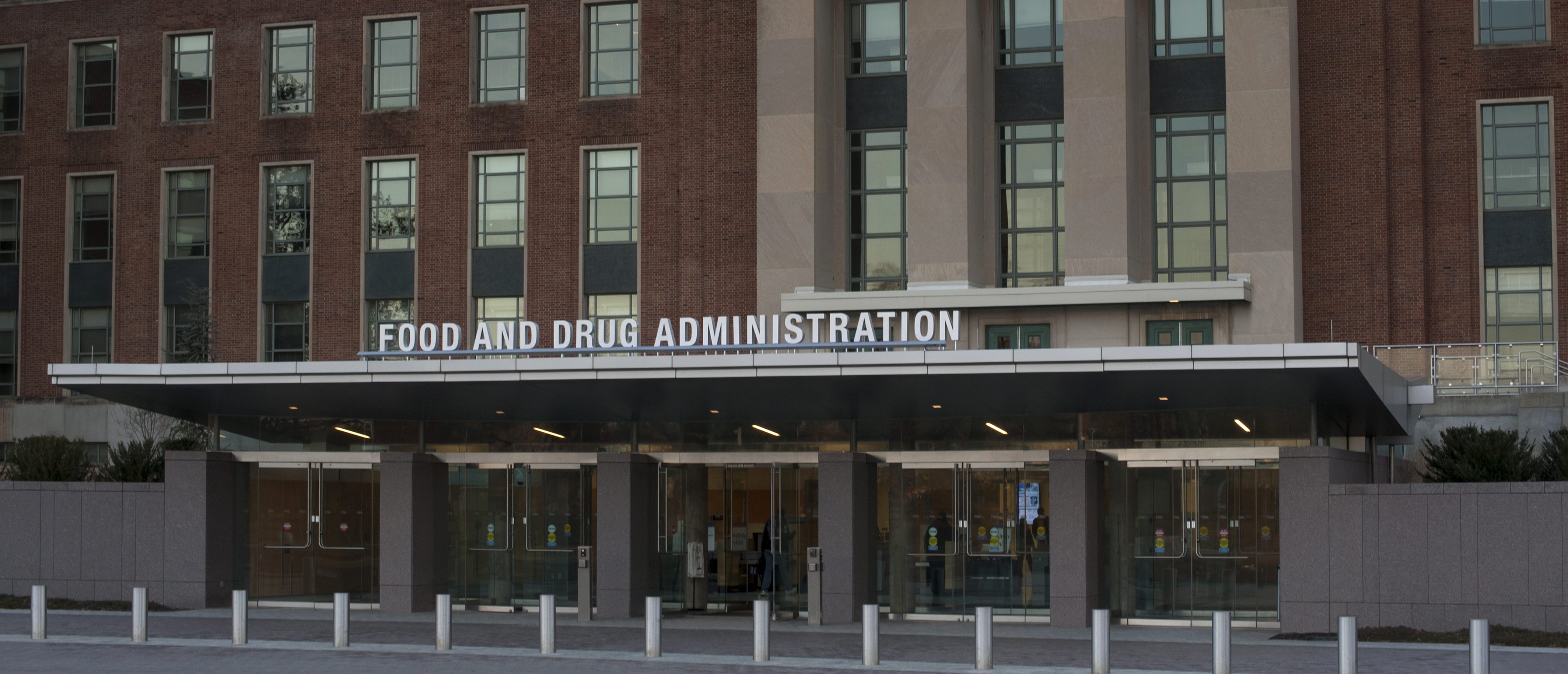
FDA photo by Michael J. Ermarth
How often have you heard the argument that abortion should remain legal because, otherwise, women would resort to dangerous back-alley abortions? This is the so-called clothes-hanger argument, a reference to the crude and unsafe method of abortion that obviously exposes women to sepsis, hemorrhage, infection, and worse.
Abortion opponents argue it’s morally wrong to kill an innocent human and harmful to women, while advocates defend it as essential for personal autonomy and women’s health, citing the clothes-hanger argument to avoid unsafe back-alley abortions.
If both sides of the abortion debate agree that protecting women from harmful abortion procedures is critical, then it follows that if the abortion pill, Mifepristone, is the chemical version of the clothes-hanger, exposing women to sepsis, hemorrhage, infection, and worse, then both sides ought to demand that the FDA do its job and provide objective safety criteria and reconsider its approval altogether.
Can we expect this unified call? Sadly, no. Abortion advocates defend chemical abortion, no matter what dangers it poses to women. Worse, they are also pushing for less oversight in the prescription and use of the abortion pill. For example, several states recently passed laws allowing prescribers to remain anonymous, making it impossible for women injured by the abortion pill to sue for malpractice when doctors fail to inform them of risks or provide supervision.
From this response, one can only conclude that the coat-hanger argument was always a ruse for legalizing, normalizing and making abortion widely accessible. I fear this ruse continues in the FDA today.
Let’s examine the history of the FDA and the abortion pill:
The abortion pill first came on the market in France in 1988 and became FDA-approved in 2000 following small and carefully monitored clinical trials.
The FDA was aware of the serious risks to the women taking the abortion drug, placing the following warning in the package insert: “The drug carries a risk of serious or even life-threatening adverse effects, including serious and sometimes fatal infections and prolonged heavy bleeding, which may be a sign of incomplete abortion or other complications.”
To mitigate the risks of the abortion pill, the FDA created a safety protocol for its use called REMS (risk evaluation mitigation strategy), thus “ensuring that Mifeprex is only dispensed in certain healthcare settings by or under the supervision of a certified prescriber; and… is not sold through retail pharmacies or over the internet.”
Nonetheless, COVID was used as a reason to erode these FDA regulations, eradicating the in-person requirement. Even though COVID was no longer an issue, the FDA permanently removed the in-person dispensing requirement on Jan. 3, 2023.
In a PBS interview on April 24, 2025, FDA Commissioner Dr. Marty Makary described himself as a “data guy” and promised to follow the science regarding the harmful effects of mifepristone on women, “if the data suggests something or tells us that there’s a real signal.”
Four days later, on April 28, 2025, a new study was published by the EPPC that should have been the signal Makary was waiting for:
“10.93 percent of women experience sepsis, infection, hemorrhaging, or another serious adverse event within 45 days following a mifepristone abortion.” This is more than 20 times higher than the 0.5% figure established by the FDA. While the FDA’s trials were small and selective, the EPPC’s study is more reflective of the general population, using the abortion pill, “based on analysis of data from an all-payer insurance claims database that includes 865,727 prescribed mifepristone abortions from 2017 to 2023.”
True to his word, albeit five months late, on Sep. 19, FDA Commissioner Dr. Marty Makary, alongside the U.S. HHS Secretary Robert F. Kennedy Jr. wrote a letter to 22 Republican attorneys general stating that the FDA would conduct “its own review of the evidence, including real-world outcomes and evidence, relating to the safety and efficacy of the drug.”
Eleven days later, on Sep. 30, the FDA approved a generic version of mifepristone.
This decision flies in the face of reason, as the FDA is simultaneously making mifepristone more easily obtainable by allowing for a generic version, while also conducting a review to determine whether its use should be curtailed.
The FDA, like all our federal institutions today, is soaked in the ideology that normalizing abortion and making it widely available is a moral imperative. This explains why the abortion pill was rushed through the FDA approval process to begin with and why policy changes always tilt toward removing rather than increasing safety protocols. When ignoring the dangers and then downplaying them for decades no longer works, the DC default will be lip service and slow walking. The FDA has consistently sacrificed the well-being of women to secure the widespread availability of abortion. The FDA is not to be trusted.
We must demand that the FDA do its job and, as the EPPC study concludes, “investigate the harm mifepristone causes to women and based on objective safety criteria, reconsider its approval altogether.”
John Ensor has been a leader in the pro-life movement for over 35 years as a speaker, author, mentor and co-laborer. John serves as the president of PassionLife, where he concentrates on training communities of churches in countries with high abortion rates to set up pregnancy crisis intervention services. He has been recognized in the “Legacy of Life” book as one of the 50 greatest pro-life leaders of the last 50 years.
(Featured Image Media Credit: FDA photo by Michael J. Ermarth)
All content created by the Daily Caller News Foundation, an independent and nonpartisan newswire service, is available without charge to any legitimate news publisher that can provide a large audience. All republished articles must include our logo, our reporter’s byline and their DCNF affiliation. For any questions about our guidelines or partnering with us, please contact [email protected].