

Commentary: Big Tent Ideas
LEIF LARSON: The Art Of A Bad Railroad Merger Deal
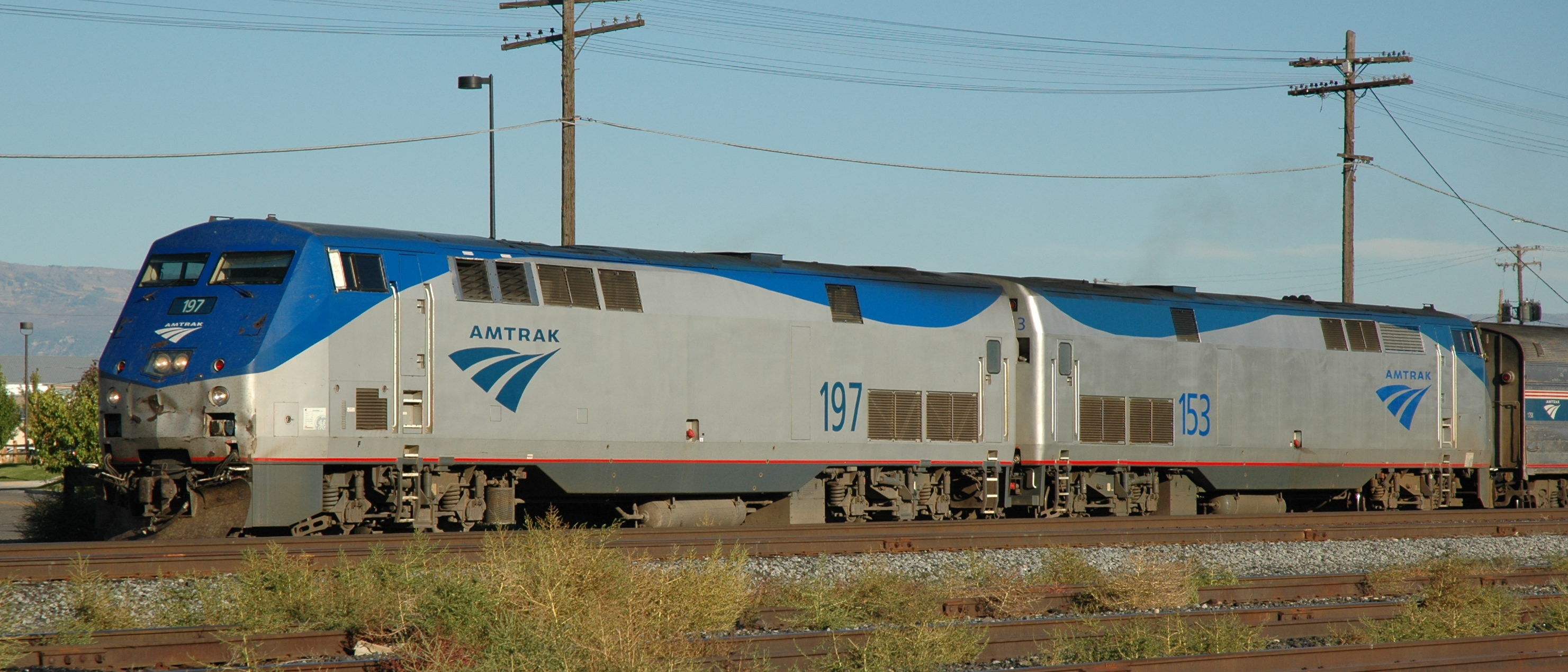
Amtrak train on the tracks.
The rail industry has significantly shaped America and continues to guide our nation into the future. Without railroads, the world would look very different. Trains have had a profound impact on everything from the Industrial Revolution to the layout of cities, leaving a lasting mark across the United States.
A proposed railroad merger between Union Pacific and Norfolk Southern Railroad has impacted policy far beyond transportation. The merger is not a good idea because it would concentrate too much power in two railroad companies. Unlike other markets, railroad competition is limited by the number of railways that can be used and government policies that have allowed a handful of companies to dominate the market. Competition is beneficial, and American consumers would be subject to the will of these two railway giants if they were allowed to merge into a single, larger company.
Examining historical trends since the introduction of the steam locomotive reveals the industry’s continued importance today. Railroads are key links in global supply chains. In 2023, 38% of all U.S. rail traffic was tied to international trade, with more than 543 million tons of goods being moved through ports and across borders.
The Trump Administration’s Surface Transportation Board should reject this merger, as it would harm consumers, workers, and the American economy. This deal is a case study in the art of a bad deal for American competitiveness.
In a recent meeting, Union Pacific CEO Jim Vena suggested sending National Guard troops to Memphis, St Louis, and Chicago. These cities are key connection points for his railroad and Norfolk Southern, his merger partner. Union Pacific and Norfolk Southern are working to merge into a mega railroad with tracks meeting in the middle of the country.
Past mergers suggest connected cities will face pain from a combined railroad, affecting many others due to the interconnected nation’s rail network. Merging systems, cultures, and plans cause complications that ripple across the supply chain. The public already suffers from blockages at crossings that delay families.
The rail sector is also a major employer, directly hiring 153,000 workers in 2023. These jobs come with competitive pay, and the industry supports around 749,000 jobs across different sectors through supply chain links and consumer spending. This connection highlights the rail industry’s vital role in the economy and its positive impact on communities across the nation.
Under Vena’s direction, the Union Pacific has exacerbated the impacts on the public by dramatically reducing the railroad’s workforce. Texas suffers disproportionately in its major population centers where the company operates, but the effect isn’t limited to the Lone Star State. Cities choked by trains with no regard for where they stop and for how long spurred the federal government to institute a national tracking database for reporting blocked crossings.
Since 2018, Union Pacific cut its railroad workers by over 25%. Blocked crossing complaints have increased because there are fewer staff to move trains and respond to public issues. The CEO claims no union employees at the two railway companies will lose jobs if the Surface Transportation Board approves the merger. Vena promotes synergies of a coast-to-coast railroad but also pledges to keep every employee. We’ve heard similar promises before.
Vena claims the nationwide mega railway merger will benefit customers, but past rail mergers suggest otherwise. He needs the deal to be profitable—spending $85 billion for NS, including a $15 billion ‘premium’ for activist shareholders, which will raise shipping costs for customers and consumers. Rail rates have increased over 40% as large American railroads consolidated from 23 to 6, reducing competition and driving up costs for shippers.
The primary motivation behind the merger is to generate increased revenue and meet Wall Street’s expectations. In the past 20 years, Union Pacific hasn’t increased the volume of carloads moved on its railroad. Volume has declined. Similarly, carload volumes on Norfolk Southern declined in the same period. Therefore, Union Pacific has reduced its workforce and scaled back service to enhance its financial performance.
This rail merger is being driven by a railroad CEO and his investor friends, working against the interests of the American public and the customers who rely on reasonable rates to ship their goods.
Leif Larson is a noted strategist with 20 years of experience in PR, public affairs and politics. He has contributed to the success of prominent political, corporate and advocacy groups across the country throughout his career.
The views and opinions expressed in this commentary are those of the author and do not reflect the official position of the Daily Caller News Foundation.
(Featured Image Media Credit: Mike Knell via Flickr)
All content created by the Daily Caller News Foundation, an independent and nonpartisan newswire service, is available without charge to any legitimate news publisher that can provide a large audience. All republished articles must include our logo, our reporter’s byline and their DCNF affiliation. For any questions about our guidelines or partnering with us, please contact [email protected].