

Energy
Trump Admin Keeps Coal Plant Lifeline Running Despite Seething Enviro Rage
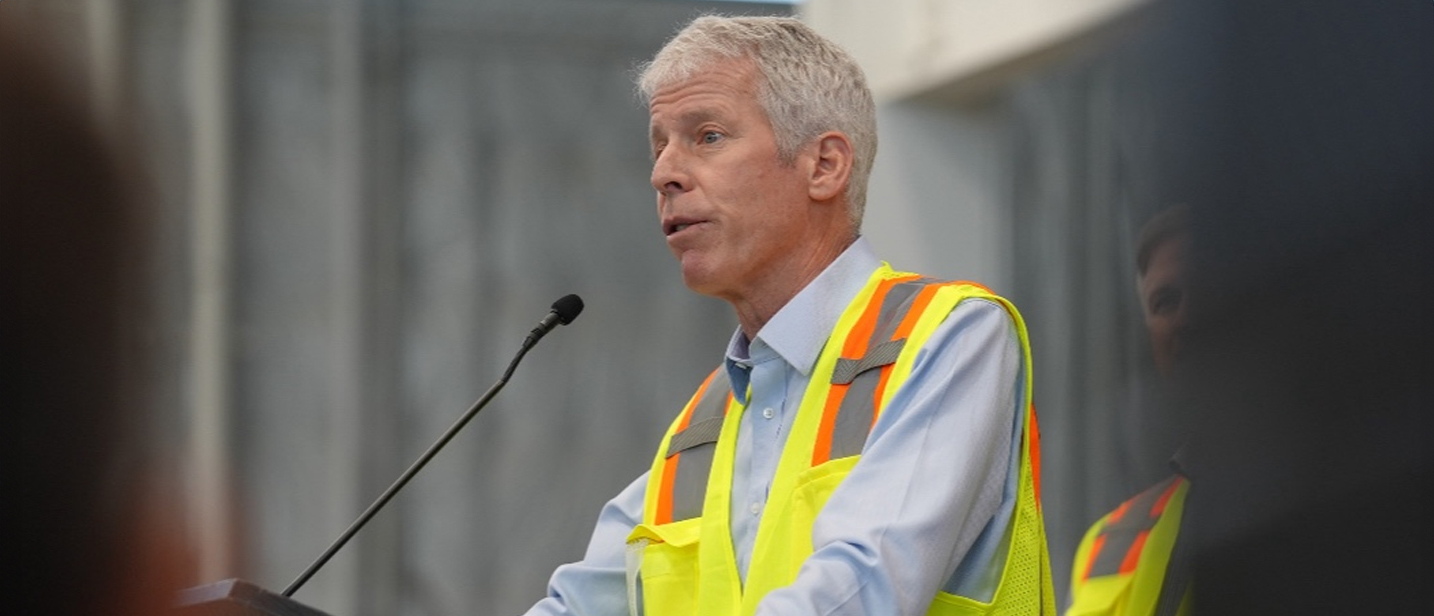
X/Energy Secretary Chris Wright
The Department of Energy (DOE) on Thursday issued an emergency order that will keep a Michigan coal plant running to reduce the risk of blackouts while summer heat strains the power grid and despite environmental protests fighting to shudder the plant.
DOE’s order directs the major grid operator for the central U.S. — the Midcontinent Independent System Operator (MISO) — to continue running a coal-fired plant in Michigan to stave off power shortages, which has sparked ire from some environmental activists who claim the plant will pollute the area. The order follows a similar May emergency directive to keep the same Michigan J.H. Campbell plant running, which was soon followed by a major blackout in New Orleans, an event that DOE Secretary Chris Wright hailed as proof of why the Trump administration prioritizes energy abundance.
“The United States continues to face an energy emergency, with some regions experiencing more capacity constraints than others. With electricity demand increasing, we must put an end to the dangerous energy subtraction policies embraced by politicians for too long,” Wright said Thursday. “This order will help ensure millions of Americans can continue to access affordable, reliable, and secure baseload power regardless of whether the wind is blowing or the sun is shining.
DOE noted that the May order to keep the coal plant open has allowed it to function as a critical power generator on the grid during periods of high energy demand. The J.H. Campbell plant was set to close on May 31, a full 15 years before reaching the end of its design life, the agency said.
MISO is directed to continue running the plant in tandem with Consumers Energy until Nov. 19, according to DOE. The department noted that its recent grid reliability report outlines that the risk of power outages across America could increase by a factor of 100 in 2030 if states continue to phase out reliable power sources without adequate replacements.
Some residents and climate activists raged against the DOE keeping the J.H. Campbell plant running in May, arguing that the move would drive up power costs and pollute the environment, according to a local news outlet. Groups like the Sierra Club have also aired their grievances over the most recent order, arguing that it is “illegally extending” a “sham emergency order” that will cost the area millions by continuing to run the “deadly” coal plant.
“Chris Wright is not a Soviet-era central planner, but his new order suggests he would fit right in,” Earthjustice Senior Attorney Michael Lenoff told the Sierra Club. “He persists with unlawful, ill-informed orders that benefit coal companies and, well, that’s about it. Campbell is old, clunky, dirty, expensive, and unnecessary.”
“The Department of Energy’s emergency authorizations have been essential in keeping the lights on during the peak capacity events of this past summer. Anyone who doubts this should explain why many plants kept online, including Campbell, have been relied on repeatedly during peak demand periods as intermittent energy sources failed to provide reliable electricity,” said Press Secretary & Chief Spokesperson Ben Dietderich “Unlike the previous administration, President Trump and Secretary Wright are acting in the best interests of the American people by ensuring access to reliable and affordable energy.”
Several coal plants have been phased out along the MISO grid, and trend energy sector experts warn could contribute to rolling blackouts.
“When utility bills are skyrocketing or blackouts are happening in winter, people are going to want reliable power back,” Amy Cooke, co-founder and president of Always On Energy Research and director of the Energy and Environmental Policy Center told the DCNF previously, in reference to the phasing out of coal plants, usually under Democratic leadership. “It’s insane that we would shut down any base load power right now, when the demand for power is so high.”
After years of static demand, America’s energy needs are increasing as it prepares for power-hungry data centers to connect to the grid, according to the Energy Information Administration (EIA).
Cooke cited research from Always On Energy Research that projected rolling blackouts could begin across the MISO region by 2028. Notably, the major grid watchdog known as the North American Electric Reliability Corporation (NERC) released a 2024 report that noted MISO would face power shortages beginning in 2025.
A MISO spokesperson told the Daily Caller News Foundation that the grid operator is projected to meet its anticipated demand and that it will continue to work with Consumers Energy to comply with DOE’s order.
“MISO remains focused on reliably operating the grid using the resources our members provide, while working closely with stakeholders and regulatory partners, providing visibility into system needs and sending market signals to inform long-term resource planning,” a MISO spokesperson told the DCNF.
Former President Joe Biden’s push for green energy and strict environmental regulations may have strained the U.S. energy supply, several energy experts and Wright have cautioned. In contrast, President Donald Trump has moved to roll back regulations to bolster conventional energy sources and declared a national energy emergency on his first day back in the Oval Office.
This article has been updated to include additional comments from the Department of Energy.
All content created by the Daily Caller News Foundation, an independent and nonpartisan newswire service, is available without charge to any legitimate news publisher that can provide a large audience. All republished articles must include our logo, our reporter’s byline and their DCNF affiliation. For any questions about our guidelines or partnering with us, please contact [email protected].