

Legal/Law/Criminal Justice and Reform
Biden DOJ Official Slammed Last-Minute Clemency Grants For Supposedly ‘Non-Violent’ Offenders, Emails Show
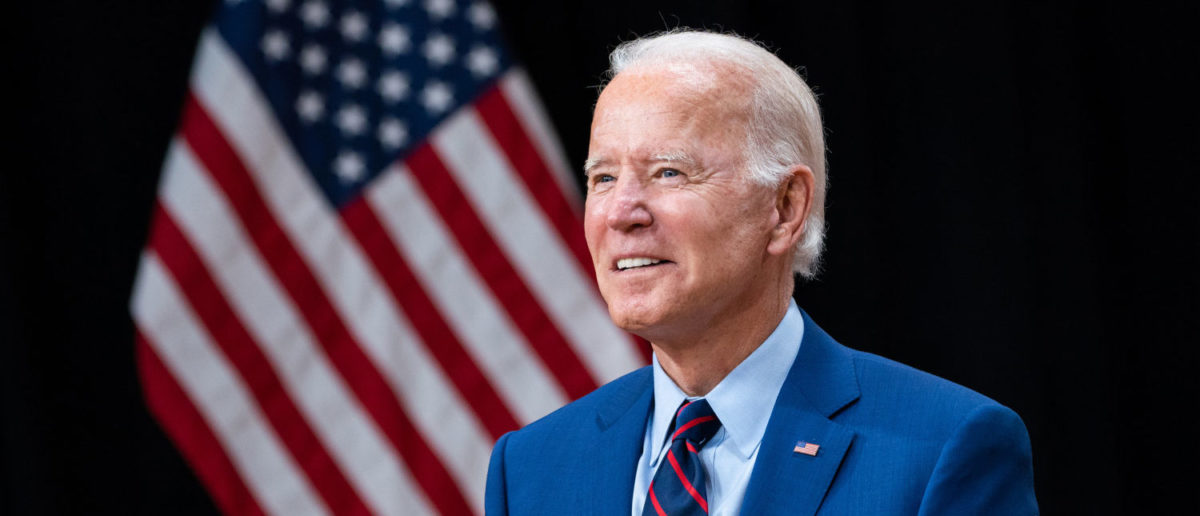
The White House/Wikimedia Commons
A Biden Department of Justice (DOJ) official slammed the White House for labeling offenders granted last-minute clemency as “non-violent,” according to emails obtained by the Oversight Project.
Then-Associate Deputy Attorney General Brad Weinsheimer expressed confusion about what offenses the president intended the commutation warrants to cover, as well as frustration about how the White House described the offenders “as people convicted of nonviolent drug offenses,” in a Jan. 18 email to White House Counsel’s Office attorneys.
“I think you should stop saying that because it is untrue or at least misleading,” Weinsheimer wrote. “As you know, even with the exceedingly limited review we were permitted to do of the individuals we believed you might be considering for commutation action, we initially identified 19 that were highly problematic.”
Former President Joe Biden announced Jan. 17 that he would commute sentences for 2,5000 individuals who “received lengthy sentences based on discredited distinctions between crack and powder cocaine,” though the list included individuals convicted for illegally possessing firearms and men whose actions led to the death of a police officer.
Sixteen of the individuals identified as “highly problematic” by the DOJ Pardon Office ended up on the final list, Weinsheimer wrote.
“Pardon separately highlighted for you dozens more highly problematic candidates; despite the flags raised, most of these individuals also received grants of clemency,” he continued.
Victim input was not considered in the cases involving violent crimes, even “voluminous objections” over two men involved in drug offenses where a police officer was killed, Weinsheimer wrote. He also flagged language stating the warrants covered “offenses described to the Department of Justice” as unclear, asking for “a statement or direction from the President as to how to interpret the language.”
“Ideally, this would be a list as to each inmate listing the offenses that are covered by the commutation,” he wrote. “By far, this is the clearest and least problematic alternative.”
Another interpretation of the statement might lead to the commutations not taking effect because “describing offenses to the Department is a condition precedent to the commutations being effective,” he wrote.
Then-DOJ Pardon Attorney Elizabeth Oyer also expressed frustration on the day of Biden’s clemency announcement.
“I know I sound like a broken record, but our incoming is nonstop, and folks are becoming increasingly upset and concerned, including congressional staff, US Courts/Probation, and stakeholder orgs,” she wrote. “I have no explanation to offer them as to why a list is not available.”
House Oversight Committee Chairman James Comer has issued subpoenas to and deposed top Biden aides as part of his probe into Biden’s use of the autopen.
Biden told the New York Times in July that he allowed staff to use the autopen because he granted clemency to “so many people.” He did not approve every name in the large grants but signed off on “standards” to use in determining who qualified for reduced sentences, aides told the NYT.
All content created by the Daily Caller News Foundation, an independent and nonpartisan newswire service, is available without charge to any legitimate news publisher that can provide a large audience. All republished articles must include our logo, our reporter’s byline and their DCNF affiliation. For any questions about our guidelines or partnering with us, please contact [email protected].